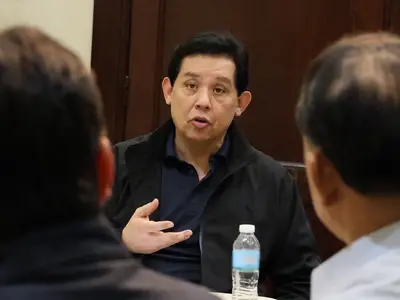
For Quimbo, the pressure on the middle class is also a warning sign for the wider economy.
THE House’s 13-panel Legislative Energy Action and Development Joint Committee is now zeroing in on the Filipino middle class, with Marikina Rep. Miro Quimbo warning that a sector often left outside the reach of “ayuda” is now absorbing the slow but deepening damage of the oil shock.
Quimbo, chair of the House Committee on Ways and Means and overall chair of the LEAD Joint Committee, said the House’s earlier hearings have already clarified where the real danger lies as the energy crisis works its way into daily life.
“In our last two LEAD Joint Committee meetings, one reality has become unmistakable: the true threat of this energy crisis is its creeping impact on our domestic economy. Rising oil prices are pushing up the cost of living, steadily eroding the ability of Filipino families to meet their daily needs. And if this continues, many will struggle just to get by,” Quimbo said during the hearing initiated by Speaker Faustino “Bojie” G. Dy III and House Majority Leader Ferdinand Alexander “Sandro” A. Marcos.
He then turned to the group he said can no longer be treated as invisible in the government’s response.
“At sa gitna nito, may isang sektor na hindi natin maaaring kalimutan, ang middle class. Ito ang sektor na kadalasang hindi saklaw ng ayuda kahit sila’y nalulunod din sa pagtaas ng bilihin. They are one major crisis away from falling below the poverty line,” Quimbo stressed.
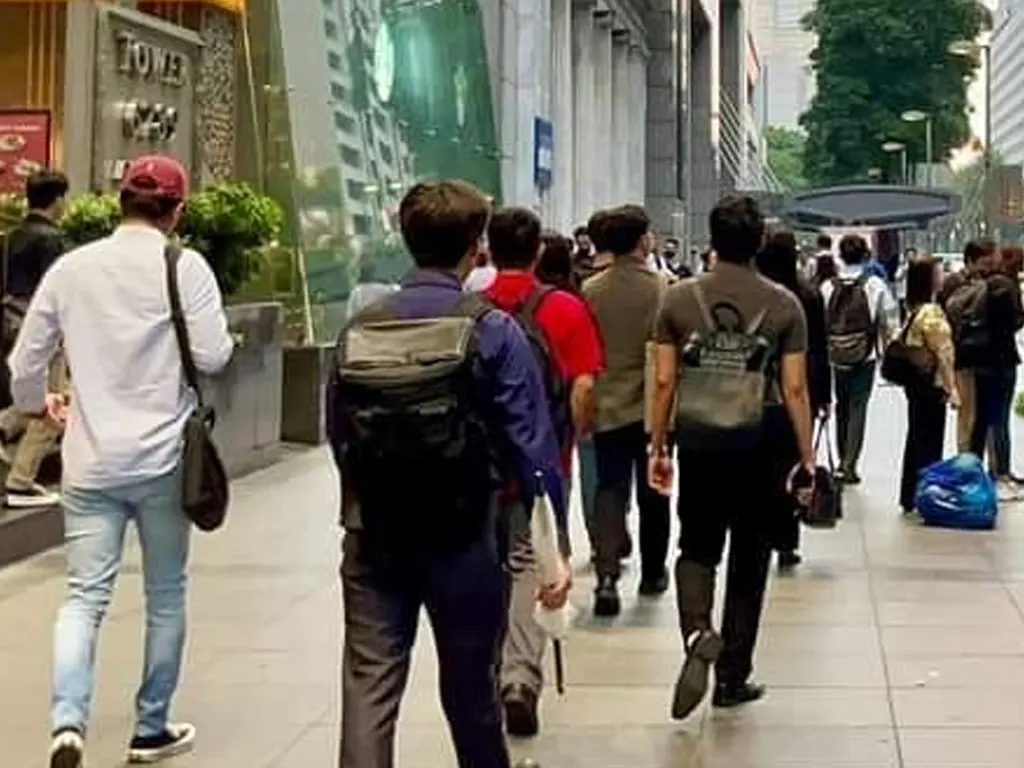
For Quimbo, the pressure on the middle class is also a warning sign for the wider economy, because the workers and earners now being squeezed are the same people who keep spending, demand and enterprise alive.
“Dapat din nating kilalanin ang mga manggagawang Pinoy bilang mga bumubuhay ng ating ekonomiya. Kapag humina ang kakayahan nilang kumita at gumastos, humihinto ang galaw ng ating ekonomiya. Kapag hindi sapat ang suporta sa kanila, hindi lamang kabuhayan ang naapektuhan kundi pati ang kabuuang takbo ng ating ekonomiya,” Quimbo said.
That is why, he argued, the House can no longer frame the issue as a narrow question of short-term relief.
“Kaya naman ang tanong sa atin ngayon ay hindi lamang kung paano magbibigay ng ayuda, kundi kung paano mapapanatili ang sigla ng ekonomiya sa gitna ng global oil crisis,” Quimbo said.
He said that the larger question necessarily includes the business sector, especially smaller firms that do not have the financial buffer to keep absorbing higher costs for long.
“Kasama dito ang usapin ng ating business sector, ang ating manufacturers, retailers, at iba pang negosyo na patuloy na humaharap sa pataas na gastos sa produksyon at operasyon. Lalong mas apektado ang maliliit na negosyo na limitado ang puhunan, walang sapat na buffer, at hirap sumabay sa patuloy na pagtaas ng gastos,” Quimbo noted.
From there, he raised what he suggested should now be one of the central policy questions of the LEAD hearings.
“Paano matutulungan ng gobyerno ang mga negosyong ito upang mapanatiling mababa ang presyo ng kanilang produkto? Paano natin masisiguro na hindi tuluyang maipapasa sa mga mamimili ang lahat ng pagtaas ng gastos?” Quimbo asked.
He also flagged the transport sector as one of the clearest examples of how unevenly the crisis is being felt on the ground.
“At sa ating mga nakaraang pagdinig, lumitaw din ang ilang kritikal na usapin sa loob ng transport sector. Ang sektor na napupuruhan ng ating krisis. Habang tumataas ang presyo ng langis, lalong lumiliit ang kita ng mga driver. Umaabot sa puntong barya na lang ang natitira,” Quimbo said.
He added that some reports received by the panel suggest that, even with drivers and riders already under pressure, certain commissions may have remained unchanged or even increased.
“Subalit, may mga ulat na walang nagbago o kaya’y tumaas pa ang commission ng ilang kumpanya sa mga rider, taliwas sa mga naunang pahayag ng mga ito noong Lunes. Ipinapakita nito na sa gitna ng krisis, hindi pantay ang bigat ng pasanin,” Quimbo pointed out.
For the current session, Quimbo said the joint committee was proceeding under the instruction of Speaker Bojie Dy to keep the discussion centered on sectors that directly shape everyday life for ordinary Filipinos.
“For today’s session, upon the instruction of Speaker Bojie Dy, we will continue our discussions with a focus on key sectors that directly shape the daily lives of our people. We will begin with updates from our economic managers, followed by the continuation of discussions on the transport sector, then the labor sector, and finally, the retail and consumer sector,” Quimbo said.
He ended by saying the House now has to search for a response that does justice both to the urgency of the moment and to the long-term stability of the economy.
“Sa aking mga kasamahan, tungkulin nating hanapin ang tamang balanse sa pagitan ng agarang tulong at pangmatagalang solusyon. Hindi lamang para sa mga pinakanangangailangan, kundi para sa mga manggagawa at mga negosyong nagpapatakbo ng ating ekonomiya. Sapagkat sila man ay matinding tinatamaan din ng krisis, at kapag sila ang bumigay, kasunod nitong mayayanig ang ating ekonomiya,” Quimbo said.
metrosundaily