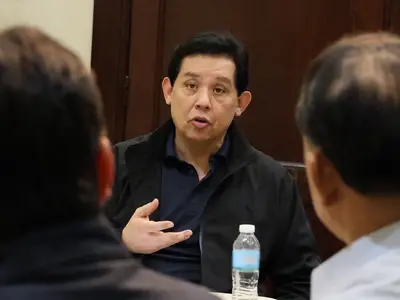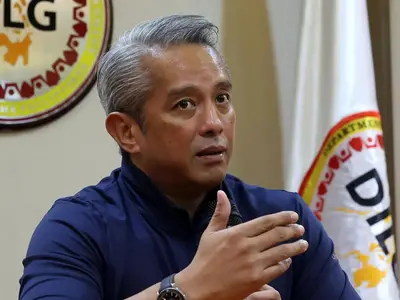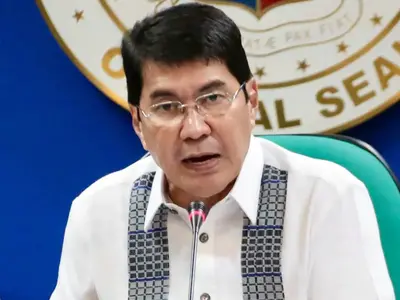
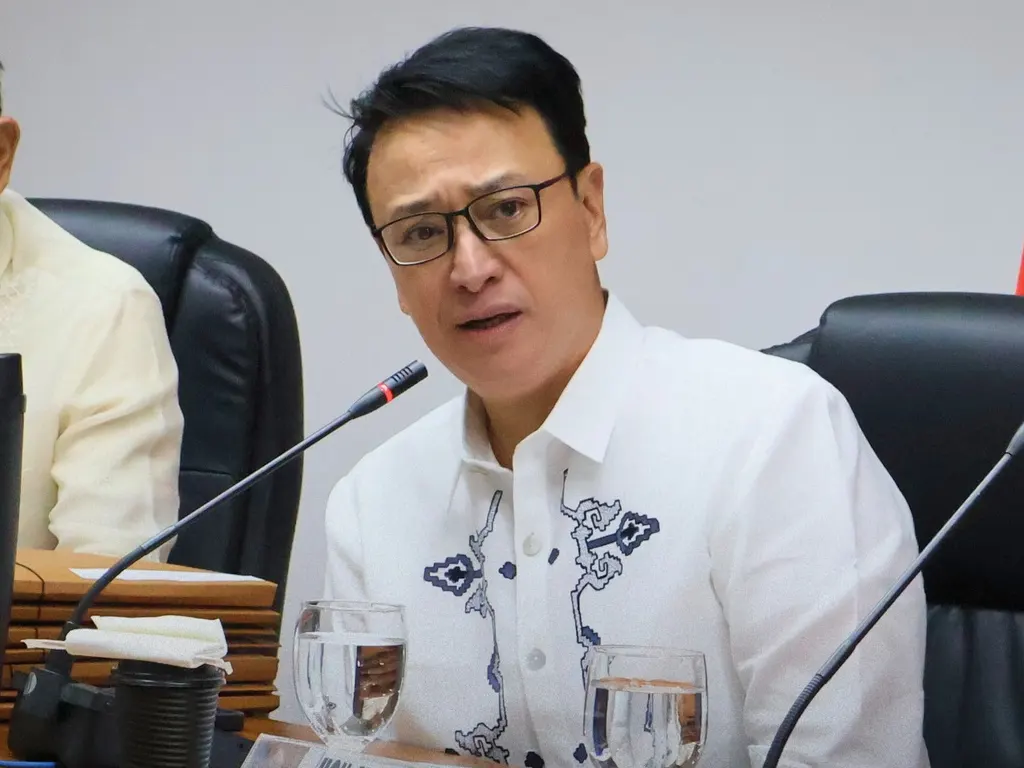
THE House of Representatives on Wednesday formalized its coordinated response to the energy crisis with the creation of the Legislative Energy Action Development (LEAD) Council, unifying the efforts of 13 committees under a single mandate as joint hearings began.
Convened under the leadership of Speaker Faustino “Bojie” G. Dy III, the council consolidates ongoing multi-committee work into a central platform to deliver immediate relief and pursue long-term reforms amid rising fuel prices driven by tensions in the Middle East.
Marikina City Rep. Miro Quimbo, chair of the House Committee on Ways and Means, said the LEAD Council institutionalizes the joint briefings launched shortly after the conflict erupted.
“This council is a convergence of multiple committees that began their crisis briefings last March, just a few days after the Middle East war began. Continuing with our efforts last month, we now convene as one council amidst increasingly volatile circumstances,” Quimbo said in his opening remarks submitted for the record.
He said the crisis has laid bare the country’s structural weaknesses, particularly its near-total reliance on imported fuel.
“Our country remains heavily dependent on imported oil with almost 100% of our fuel supply sourced from abroad and only one remaining refinery operating in the country,” he said.
“Ang ibig sabihin nito, sa hirap o ginhawa, nakatali ang ekonomiya natin sa ngayon sa kalagayan ng ibang mga bansa. Wala tayong sapat na kakayahan ngayon upang kontrolin ang presyo at daloy ng enerhiya sa loob ng ating sariling bansa.”
Quimbo pointed to surging pump prices—with gasoline nearing P110 per liter and diesel approaching P130—as clear signs that the crisis is already hitting households and key sectors.
“Dama na ng bawat Pilipino ang epekto ng krisis … Hindi lang transport sector ang napupuruhan dahil nadarama na rin ng ibang sektor ang bigat ng presyo ng langis, tulad ng agricultural industry,” he said.
Citing Bangko Sentral ng Pilipinas estimates, Quimbo warned that every $10 increase in Dubai crude beyond the $80 benchmark could raise inflation by about 0.4 percentage points.
“Kapag tumataas ang petrolyo, tumataas ang pamasahe. Tumataas ang delivery costs. Tumataas ang presyo ng pagkain—ng gulay, ng karne, ng bigas,” he said.
“At sa huli, ang pinaka-apektado ay ang ordinaryong Pilipino. Ang kita ay hindi tumataas, ngunit ang bilihin ay patuloy na lumalaki.”
Quimbo said the LEAD Council will focus on both immediate assistance and structural reforms to prevent recurring shocks.
“Dalawa ang mahalagang layunin ng LEAD Council: una, magbigay ng agarang tulong; at pangalawa, bumuo ng pangmatagalang solusyon upang hindi na maulit ang ganitong krisis,” he said.
He stressed that the council is designed not only to deliver aid but also to drive lasting reforms in energy security, supply systems, and renewable energy investments.
“This council is not merely a response mechanism; it is a reform-oriented platform that will help us adapt and survive when the next energy shock hits,” he said.
“The crisis today is a wake-up call and an opportune time to adopt policies that will strengthen energy resilience and ensure our food security so we will face future volatility in the global oil market with protection rather than vulnerability.”
Quimbo also underscored the need to protect the middle class, which remains exposed to price shocks despite often being excluded from government assistance.
“But we also need more permanent solutions to provide a stronger safety net for another affected sector of our society—the middle class,” he said.
“Isang emergency lamang, isang matinding pagtaas ng presyo, ay maaaring magtulak sa kanila pababa sa kahirapan.”
He said the LEAD Council will address the concerns of key sectors, including agriculture, transport, energy, industry, overseas workers, and the middle class, with the goal of crafting a comprehensive and long-term response.
“Malinaw na ang krisis na kinakaharap natin ay sumasaklaw sa bawat antas ng lipunan at bawat sektor ng ekonomiya,” Quimbo said.
“At ang magiging tugon ng Kongreso ay komprehensibo, malawakan, at pangmatagalan para sa buong sambayanan.”
metrosundaily