
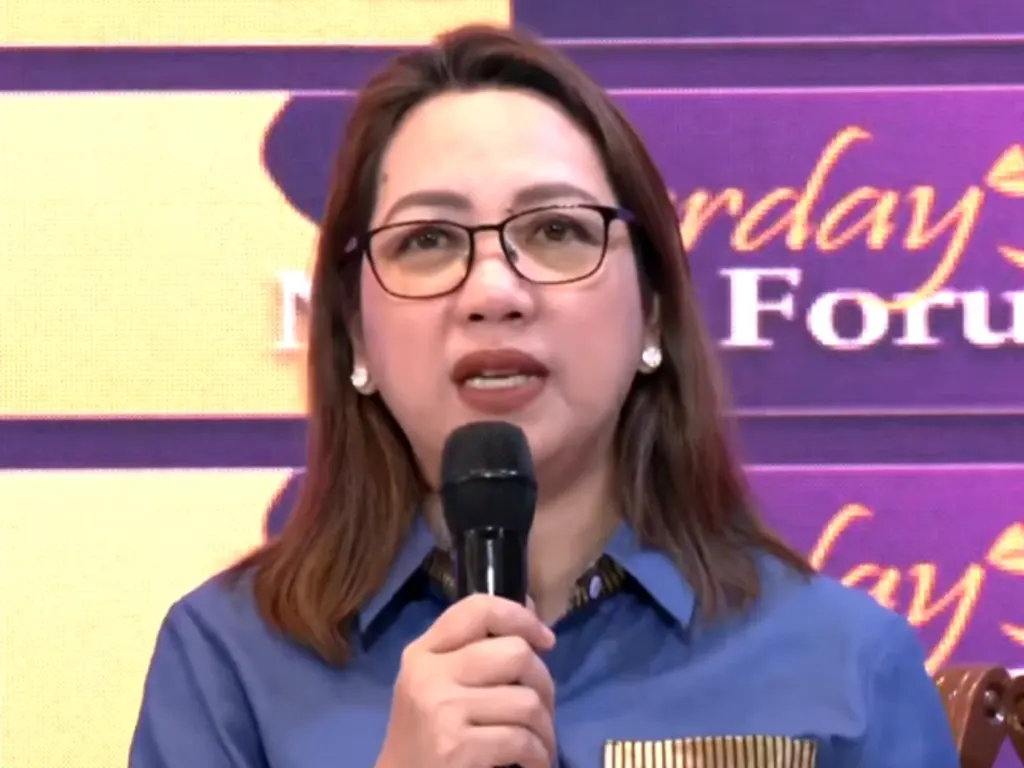
EXTENDING the terms of barangay and Sangguniang Kabataan (SK) officials to five years could save the government about P30 billion in election costs while giving Congress time to review proposed reforms to the SK system, Deputy Speaker Janette Garin said Saturday.
Garin said the House has adopted the Senate-approved measure setting five-year terms for barangay and SK officials and moving the next elections to November 2028.
“Itong hakbang na ito ay makaka-save ang gobyerno ng approximately P30 billion direct cost at magagamit ito sa pagtugon ng mga problema ngayon dala ng sakuna,” Garin said at the Saturday News Forum in Quezon City.
The House adopted Senate Bill No. 2387 on Sept. 16 after senators approved the measure on third and final reading, 13-5. It sets a five-year term for barangay and SK officials and schedules the next elections for the second Monday of November 2028.
The measure also sets a two-term limit for barangay officials moving forward, Garin said.
“So kung ikaw ay nasa second term mo, last term mo na ’yan. Kapag ikaw ay nasa third term mo, eh last term mo na rin ’yan. Moving forward, two terms, five years each term,” she said.
Garin acknowledged that public opinion is divided over extending the terms, particularly because some constituents may be dissatisfied with the performance of their barangay officials.
But she said the government must also consider the cost of conducting another nationwide barangay and SK election and whether the money could instead be used for pressing needs, including disaster response.
Garin said the longer interval before the next elections could also provide Congress a “breathing space” to examine complaints involving the SK and consider changes to the youth council system.
“Wala ito doon sa panukalang batas, pero ramdam na ramdam namin at rinig na rinig namin ang mga reklamo at problema ukol sa Sangguniang Kabataan,” she said.
Garin stressed that the concerns do not apply to all SK officials, but said lawmakers have received complaints involving alleged misuse of the financial autonomy given to youth councils, including purported forged signatures of SK treasurers and checks whose proceeds were allegedly not properly accounted for.
She did not identify specific officials or cases involving the allegations.
Garin said some lawmakers are considering amendments to the SK system, while others are looking at its possible abolition.
She stressed that neither proposal is part of the pending five-year-term measure.
“So ’yung extension from four to five years will also be a breathing space para ma-review ng mga may intensyon at nananawagan sa posibilidad na magkaroon ng pag-amenda doon sa SK, or doon naman sa total abolition ng Sangguniang Kabataan,” she said.
One alternative that could be studied, Garin said, is retaining youth representation in barangay government without maintaining the SK in its present form.
“Kasi pwede naman magkaroon ng youth representative ’yung ating barangay kagawad,” Garin said.
She added: “Wala ’yun sa batas. Pero meron tayong mga kongresista na tinitingnan at pag-aaralan ’yun para naman ’yung gastusin doon ay mapunta na lamang doon sa mga pangangailangan ng barangay.”
metrosundaily