WITH an overwhelming 251 votes, the House of Representatives on Tuesday approved on third and final reading a measure requiring higher education institutions, technical-vocational institutions, and Technical Education and Skills Development Authority (TESDA) training centers to include a personal financial literacy course in their curricula, as lawmakers push to equip young Filipinos with practical money skills before they enter the workforce.
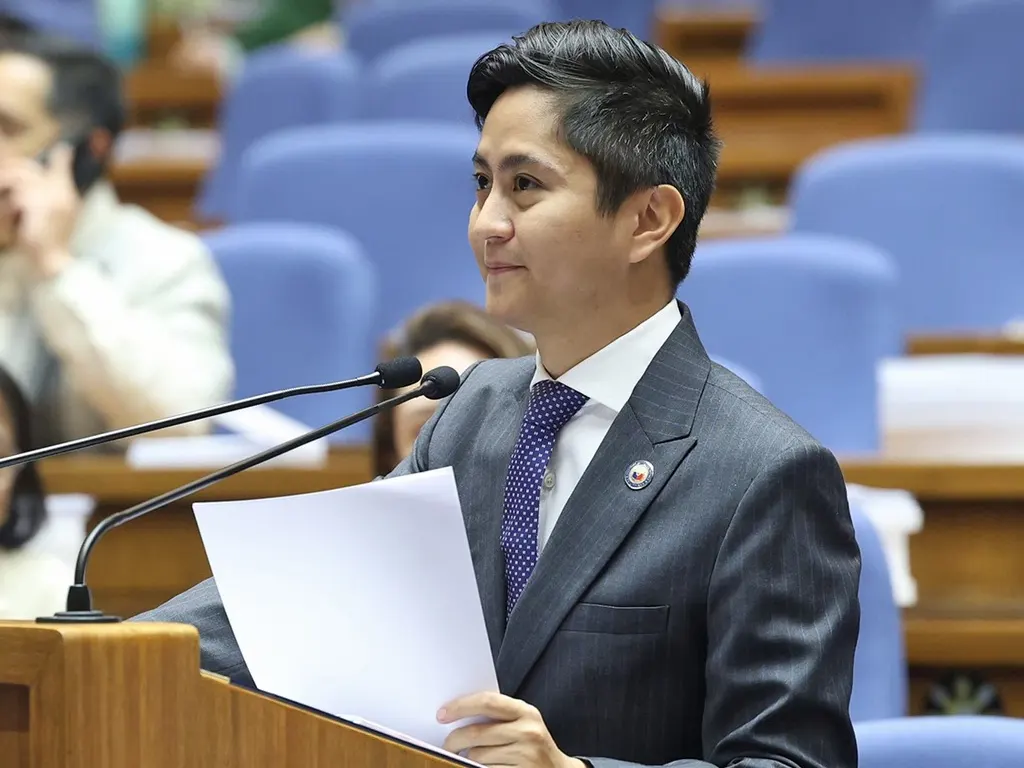
House Majority Leader Ferdinand Alexander “Sandro” A. Marcos of Ilocos Norte said the House has been moving key reforms with urgency, especially measures with direct impact on everyday life and long-term competitiveness under the leadership of Speaker Faustino “Bojie” G. Dy III.
“We have been productive in passing bills that help Filipinos in daily life, and financial literacy is one of the most practical tools we can give our students,” Marcos, one of the principal authors, said.
House Bill (HB) No. 7628, authored by Reps. Lani Mercado-Revilla, Bryan Revilla, Ramon Jolo Revilla III, Antolin Oreta III, Irish Marie Demesa Montes, Jose Manuel Alba, Yedda Marie K. Romualdez, Andrew Julian K. Romualdez, Jude A. Acidre, and others.
It mandates all public and private HEIs, TVIs and TESDA training centers to offer a Personal Financial Literacy Course, with a passing grade required for graduation or completion of the degree program or TVET course.
The bill sets clear objectives that go beyond basic budgeting, aiming to help students make well-informed financial decisions, develop healthier money habits as they enter employment, and build protection against scams, fraud, and debt traps that often target first-time earners and young consumers.
It also lays out course content that includes core concepts of personal finance, time value of money, consumer behavior in the Philippine context, debt management and rehabilitation, savings and emergency fund development, investment concepts and planning, retirement planning, insurance planning, and credit scoring and credit reports, with a portion devoted to effective use of digital payment platforms and cyber-hygiene to help safeguard data integrity and consumer protection.
To ensure consistency and credibility, the bill directs CHED and TESDA to collaborate with the Bangko Sentral ng Pilipinas, Department of Finance, Securities and Exchange Commission and Insurance Commission in developing academic standards, curricula, and materials, with implementing rules to be issued within 90 days from approval.
Authors said the measure is designed to give students an advantage that stays with them long after graduation, because financial habits formed early often determine whether families build stability or get pulled into cycles of debt.
“Financial literacy is life literacy. When students understand savings, credit, and risk early, they protect themselves and their families as they step into adult responsibilities,” they said.
With the bill approved on final reading, lawmakers said they expect the measure to move forward as part of a broader push to strengthen student readiness, protect consumers and build a more financially resilient workforce.
metrosundaily