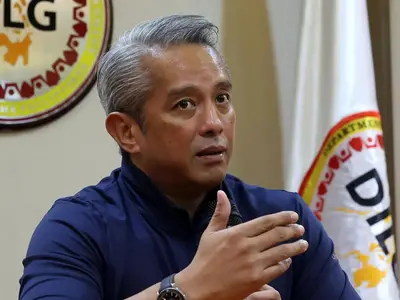

Former Police General Benjamin C. Acorda Jr., National President of the People's Progressive Humanist Liberal Party (PolPHIL).
FORMER Police General Benjamin C. Acorda Jr., National President of the People’s Progressive Humanist Liberal Party (PolPHIL), delivered a powerful message of unity and collaboration at the party’s Second National Assembly and Unification Summit on Sunday.
Held at the U.P. Alumni House, the summit brought together over 900 representatives from diverse sectors across the Philippines, including single parents, transport workers, youth, women, civil servants, and former military personnel.
Acorda’s address centered on the need for a governance model that transcends partisan divides and prioritizes the betterment of all Filipinos. He emphasized that PolPHIL’s vision extends beyond the present, aiming to build a foundation for future generations.
“We come together not just as individuals, but as custodians of a shared vision—a vision for the Philippines where peace is more than just a hope: It is a tangible reality,” Acorda stated.
He highlighted the summit as a catalyst for action, deeper engagement, and strengthened partnerships towards common goals. Established in January of the previous year, PolPHIL aims to bridge the widening political divisions in the country. Acorda underscored the party’s belief in collaborative leadership, stating, “We are at an important turning point in history…Our country has faced numerous challenges—social, economic, and political—but we also have an incredible resilience that allows us to overcome these obstacles.”
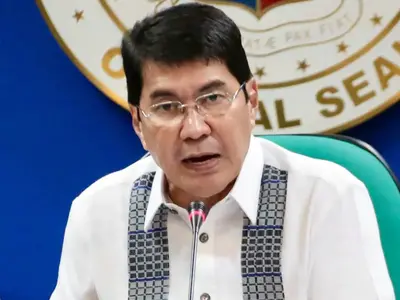
The summit featured Senator Imee Marcos as the keynote speaker. Senator Marcos, chair of several key Senate committees, lauded PolPHIL’s efforts to unite diverse political beliefs under a shared desire for national progress. Billy San Juan, Executive Director for International Linkages and Allies Development Center of PolPHIL, provided an analysis of the current political landscape and proposed strategies for PolPHIL to effectively communicate its platform and guide the public.
His presentation highlighted the detrimental effects of “vindictive politics,” a long-standing issue in the Philippines. San Juan’s remarks touched upon the historical roots of this divisive political culture, suggesting that the legacy of personal rivalries and vendettas has hindered progress and eroded public trust.
He argued that this pattern of prioritizing personal scores over public service leads to neglected public services, erosion of trust in government, and missed opportunities for national development. He emphasized the urgent need to shift towards a collaborative governance model that prioritizes the common good.
PolPHIL’s role, according to San Juan, is to bridge divides, promote policy-focused discourse, and foster a culture of civic engagement. By facilitating collaboration between diverse political actors and emphasizing substantive policy debates, PolPHIL aims to contribute to a more unified and productive political environment in the Philippines. The summit served as a powerful demonstration of this commitment to unity and collaborative governance.
metrosundaily