
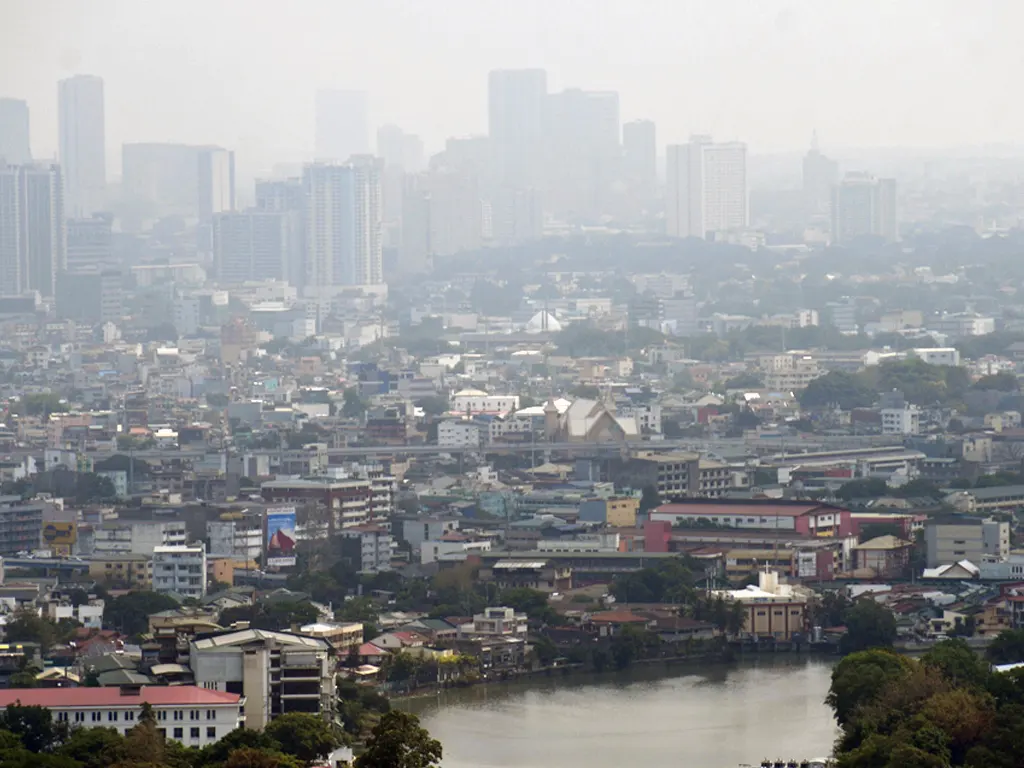
MULTIPLE areas in Metro Manila recorded “very unhealthy” air quality levels on Wednesday, September 30, according to the Department of Environment and Natural Resources – Environmental Management Bureau (DENR‑EMB).
The agency identified Caloocan, Las Piñas, parts of Muntinlupa, and Parañaque as falling within the 151–200 Air Quality Index range, where prolonged exposure poses particular risk to those with heart and lung conditions. Several other cities including Manila, Quezon City, Mandaluyong, and Valenzuela registered in the “unhealthy for sensitive groups” category, which may affect children, pregnant women, and the elderly.
The DENR‑EMB traced the elevated pollution to fine particulate matter or PM2.5, driven largely by transboundary haze linked to ongoing fires in Kalimantan, Indonesia. Prevailing winds have carried smoke across the Sulu and Celebes Seas, contributing to poor visibility and degraded air quality across the archipelago.
The Department of Labor and Employment (DOLE) has previously issued guidelines advising employers to adjust schedules, improve ventilation, and provide protective equipment such as N95 masks when air quality worsens.
Authorities urged the public to limit prolonged outdoor exertion and wear high‑filtration masks when leaving home, especially in the most affected zones. Health experts recommend keeping windows closed, using air purifiers indoors, and monitoring updates from the Philippine Atmospheric, Geophysical and Astronomical Services Administration (PAGASA) and DENR‑EMB as wind patterns and fire activity continue to shift.
metrosundaily