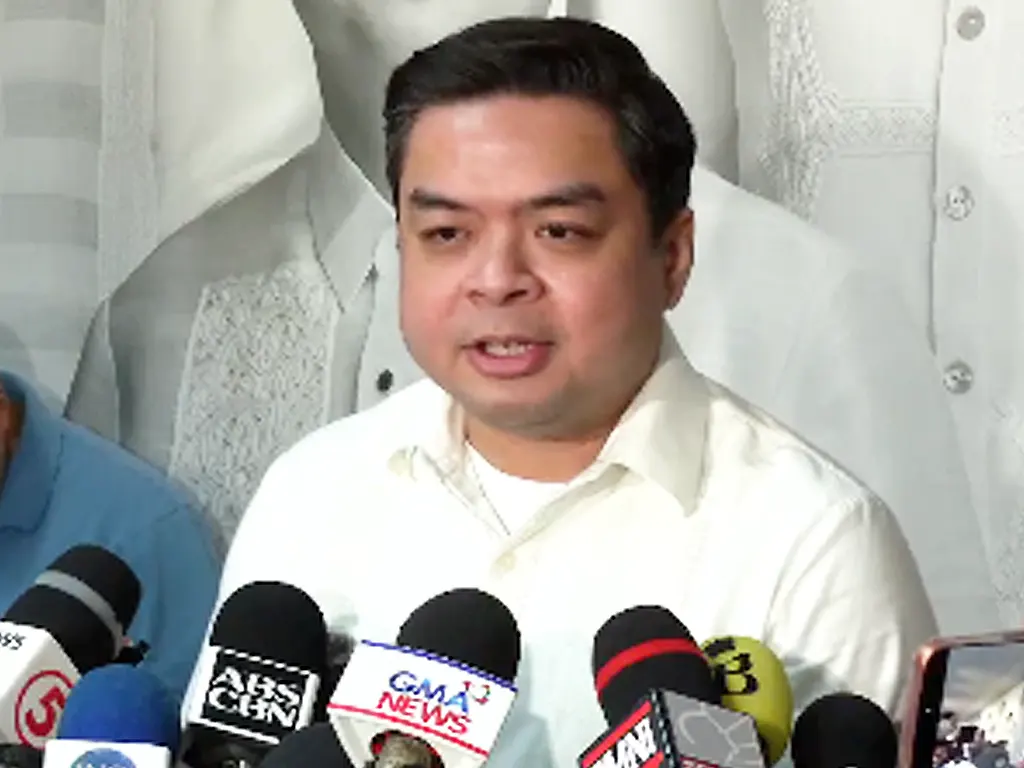
THE existence of a complaint or case against a witness does not by itself bar that person from testifying about matters within his personal or official knowledge, House prosecutor and Bicol Saro Party-list Rep. Terry L. Ridon said Thursday.
Ridon distinguished the competency of witnesses from questions concerning the participation of senator-judges who may be facing separate legal proceedings, saying the two issues involve different rules and decision-makers.
The clarification followed Senator-Judge Robinhood Padilla’s statement about what he described as a double standard between witnesses presented by the prosecution and members of the Senate Impeachment Court.
“Sa usapin ng paglalatag ng testigo, ang aktuwal na pagkakaroon ng kaso ay walang impact doon sa pagpapaupo sa kanila sa witness stand,” Ridon said in an online press conference via Zoom.
He said the proper inquiry is whether the witness has relevant knowledge and can testify competently on the work or events involved. A separate accusation against the witness may be raised in cross-examination where appropriate, but it does not automatically erase the testimony.
“Kung ang binibigay ng testigo ay patungkol sa kanilang aktwal na trabaho at maayos naman ang kanilang trabaho, tingin ko walang dapat na epekto kung may kaso,” Ridon said.
He added that even a prior conviction is not, by itself, an absolute bar to taking the witness stand.
“In fact, kahit may conviction ang isang tao, puwede pa rin siyang iupo sa witness stand kung talaga naman siya ay saksi sa isang particular na pangyayari,” Ridon said.
The Revised Rules on Evidence generally provide that a criminal conviction, unless otherwise provided by law, is not a ground for disqualifying a person who can perceive facts and make those perceptions known.
A conviction or other matter affecting credibility may still be examined, and the impeachment court retains authority to determine the admissibility and weight of the testimony.
Ridon applied that distinction to NBI Agent John Mark Calilung and NBI Regional Director Jeremy Lotoc, the prosecution’s first two witnesses under Article IV.
Their testimony concerned the authentication of digital material and the bureau’s investigation of Duterte’s recorded statements.
Ridon said issues raised about them did not automatically make them incompetent to testify about those official functions.
The question involving senator-judges, he said, falls under a different institutional framework because it concerns whether a member of the impeachment court may continue participating while facing a separate case.
“Sa kabilang bahagi, ang usapin ng participation ng senator-judges dito sa impeachment proceedings natin sa Senado ay isang bagay na nakadepende sa mga korte na may jurisdiction sa kanila,” Ridon said.
He stressed that the prosecution cannot unilaterally remove a senator-judge or dictate the result of any outside case.
“Ang magiging mapagpasya rito ay ang Senado mismo at ang korte na talagang naglilitis ng kanilang mga kaso,” Ridon said.
House prosecutor Arlene “Kaka” Bag-ao of Dinagat Islands said the controlling principle within the trial is that the senator-judges must fairly hear the parties and assess the evidence before them.
“Pero ang ibig sabihin ay binigyan mo ng patas na pagkakataong unawain, intindihin ang mga ebidensya,” Bag-ao said.
That duty, she said, requires the court to distinguish an allegation from proof and the competency of a witness from the eventual weight assigned to his testimony.
“Sa dulo, magde-decide ka batay sa kung napatunayan ba ang mga allegation. Definitely, magde-decide ka for or against,” Bag-ao said.
Bag-ao said the senator-judges must ultimately ensure that their ruling rests on the applicable legal and constitutional standards.
“Ang atas na ibinigay sa kanila bilang mga huwes ay siguraduhin na ang magiging desisyon ay naaayon sa batas, sa ating Constitution, bilang mga public officials,” she said.
metrosundaily