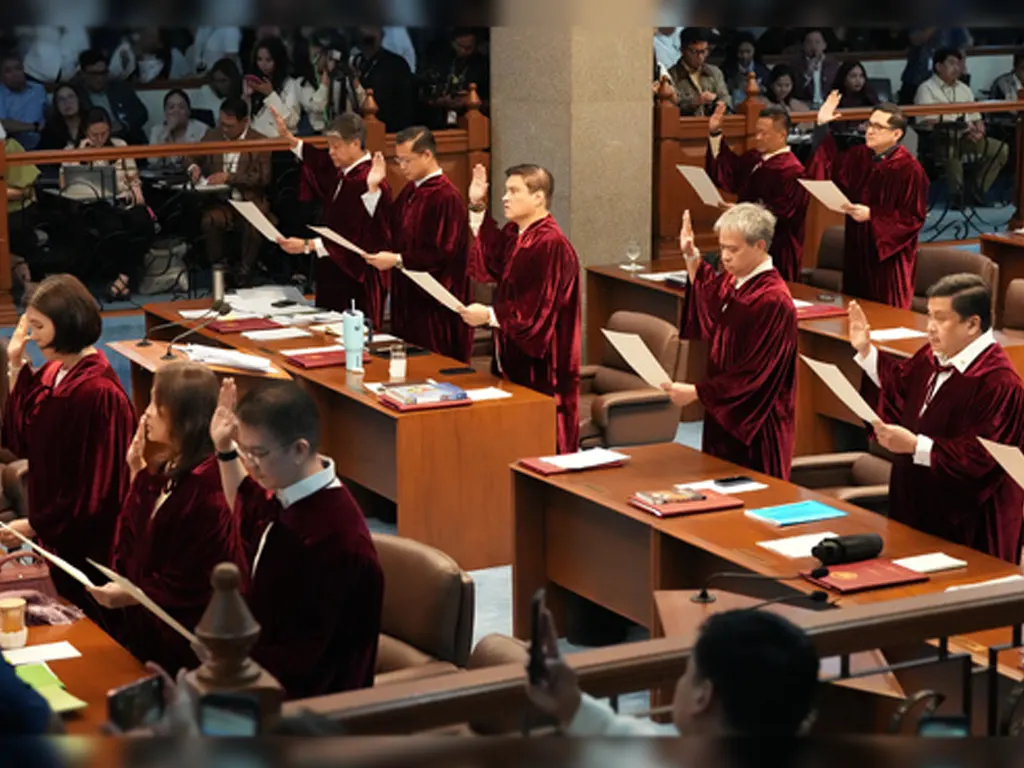
THE eventual vote of the Senate impeachment court on the case of impeached Vice President Sara Z. Duterte should be based on the number of senator-judges attending and participating in her trial, a key member of the House prosecution team said Saturday.
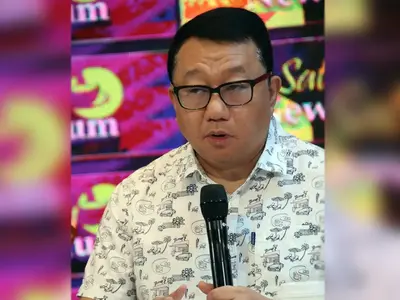
Manila Rep. Joel Chua, who chairs the Committee on Good Government and Public Accountability, told the Saturday News Forum at Dapo Restaurant in Quezon City that the voting threshold has become a big issue.
“Malaking isyu po ito po. Personally, naniniwala po ako, dapat po kung sino lang po ‘yung nagpapa-participate sa impeachment trial, dapat ‘yun lang ang boboto,” he said.
Likening a senator-judge to a trial court judge, Chua asked how could a senator-judge who did not participate in the trial vote.
“Kasi po, papaano ka boboto kung hindi ka naman nagparticipate sa impeachment trial. So parang isang huwes, paano po siya magre-render ng kanyang verdict, whether guilty or not, kung hindi naman niya nakita ‘yung mga sinabi ng mga testigo,” he said.
He said unlike the legislative process, the forthcoming impeachment is like a court hearing.
He said a senator-judge has to see for himself the demeanor of a witness, and evaluate if he is telling the truth or he is lying before making a judgement.
“Hindi po natin puwedeng ipareha sa ordinary legislative na ginagawa po ng mga senador. Kasi po, maliwanag po, dito po sa impeachment, ito po ay parang akin to court hearing, kung saan po ang huwes ay tinitingnan yung demeanor ng testigo kung ito po ay nagsasabi ng totoo, kung ito po ay nagsisinungaling,” he said.
“Parte po ng kanilang pag-rerender ng judgment as base po sa mannerism, sa conduct na inuupo sa witness stand,” he added.
The Manila House leader pointed out that when a trial court judge’s decision is appealed to the Court of Appeals, the latter tackles only the question of law and not factual issues.
“So ganun din po dito. Paano po sila (senator-judges) boboto kung ‘di naman nila nakita ‘yung testigo, hindi po nila na-assess iyung demeanor, hindi po nila nakita at na-assess kung ito po ay nagsisinungaling o hindi,” he said.
Asked who would resolve the voting issue, Chua said, “At the end of the day, sa Supreme Court.”
However, he said the quorum rule established during the July 3 session of the new Senate majority led by Sen. Sherwin Gatchalian may be applied in the impeachment court.
“Pero tingnan natin kung puwedeng i-apply yung quorum. Kasi kung yun ang magiging desisyon nila, tutal may decided cases na dito, sa tingin ko wala rin namang masama na ito ang i-apply. Ang basis ng quorum, let us say sa 22, hindi po sa 24,” he stressed.
Responding to another question, Chua said it would be better that the voting issue be resolved soon.
“Mas maganda the soonest the better, dahil po ang trial less than a month magsisimula na (on July 6),” he said.
He said the House prosecution team has not extensively discussed the issue, since it is preparing for the pre-trial conference on June 18.
“Ang pinaghahandaan po natin ngayon ay ang pre-trial conference. Ito po ay in passing pa lang namin napag-uusapan, so wala pa pong definite kung ano ang gagawin namin dito,” he said.
Earlier, another House prosecutor, Akbayan Rep. Chel Diokno, said the two-thirds vote to convict Vice President Sara Duterte cannot be changed because it is fixed by the Constitution.
However, he said the debatable issue is on what number of senator-judges such vote would be based.
“Yung isa na lang siguro magiging issue and really this is not well settled by jurisprudence is how do you count the two-thirds. ‘Yung ganun, it’s very similar to ‘yung question tungkol sa quorum,” he said.
Diokno said the Supreme Court (SC) has already resolved the issue of how quorum is determined.
“Kung dati ang pananaw ng karamihan ay dapat 13 (of 24 senators), kinlaro na ‘yan ng ating Supreme Court that it could be less than 13 depending on how many senators are within the coercive reach of the Senate. Now whether that will also apply to the impeachment court ay hindi pa yan na-sesettle ng jurisprudence,” he said.
“So hindi rin natin alam kung paano ang magiging pagpapasya ng Supreme Court kung sakasakaling umabot doon itong issue,” Diokno added.
metrosundaily