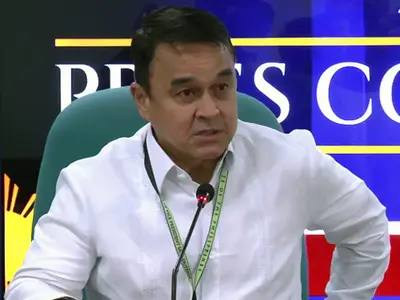
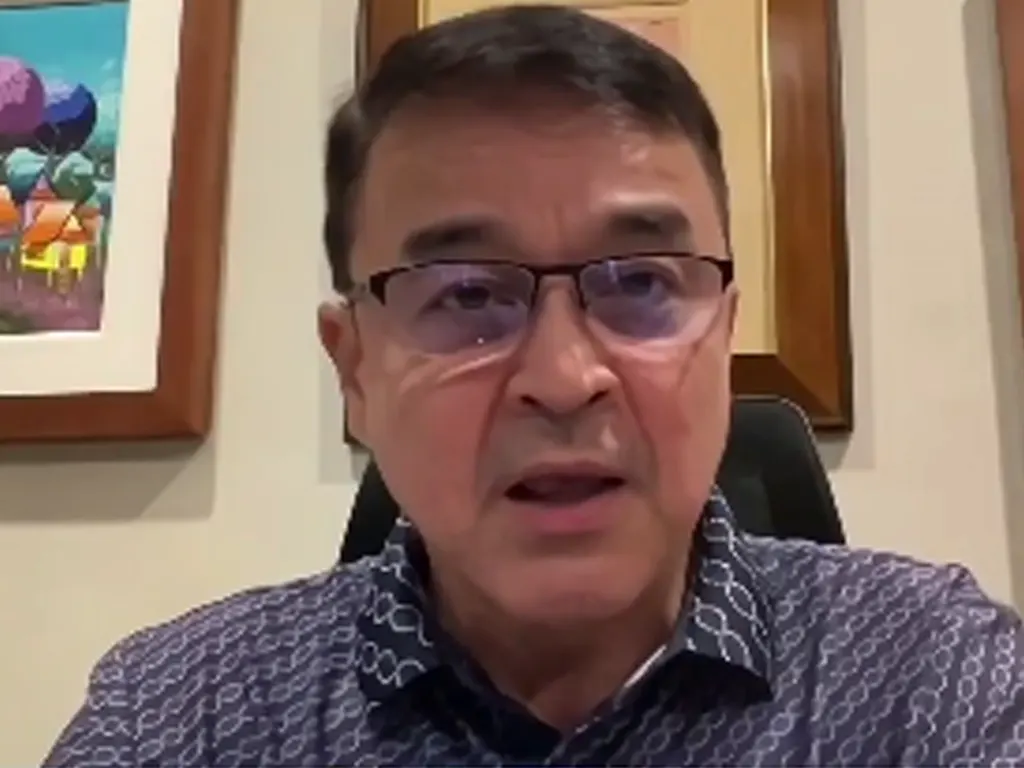
HOUSE prosecution panel adviser and spokesman Ace Barbers on Friday urged Filipinos to remain vigilant against what he described as a growing information threat, following the Armed Forces of the Philippines’ (AFP) warning that foreign malign influence operations are increasingly exploiting various domestic controversies, including the impeachment trial of Vice President Sara Duterte.
Barbers issued the warning following the disclosure of retired Rear Admiral Roy Vincent Trinidad of the Armed Forces of the Philippines (AFP) that foreign influence operations have been increasingly targeting sensitive national issues to shape public opinion and widen political divisions.
“The danger is that a real issue can be hijacked by false narratives. The impeachment is a constitutional process, but if foreign actors are manipulating information surrounding it, Filipinos must be smart enough to distinguish legitimate criticism from deliberately manufactured propaganda,” Barbers said.
The former Surigao del Norte congressman and governor said that based on open-source searches on the Internet, there is now a substantial body of evidence—particularly from Meta, Reuters, Graphika, Microsoft, Philippine government officials and independent researchers—showing how China-linked influence operations work in the Philippines and elsewhere.
According to Barbers, the primary objective of such operations is not always to promote support for a foreign government but to exploit existing divisions among Filipinos by weakening trust in institutions, media organizations, elections, and fellow citizens.
“China-linked foreign malign influence operations are exploiting contentious Philippine political issues, including the Duterte impeachment controversy, to deepen polarization and shape public opinion,” Barbers said, citing the data sourced from the Internet.
Barbers explained that one common tactic used by these operations is “narrative laundering,” where messages from foreign state-linked media are repeated through seemingly independent pages, influencers, and ordinary-looking social media accounts until they appear to be authentic local opinions.
He cited previous cases where Meta removed China-linked networks targeting Philippine audiences, including one documented operation involving 155 accounts with about 130,000 followers and millions of interactions that promoted pro-China narratives and political personalities.
“These accounts can behave like ordinary users—posting political opinions, commenting on news stories, attacking critics of China or boosting favorable personalities. The objective is not necessarily to make one post go viral but to create an artificial sense of consensus,” he explained.
He added that social media platforms provide an effective environment for these operations because foreign-sponsored narratives may appear as ordinary political commentary, viral content, or personal criticism against public officials.
Barbers also cited the “Spamouflage” model identified by researchers as one of the known China-linked influence operations. He said the strategy involves creating fake personas, establishing local-looking identities, producing or recycling content, coordinating accounts, and amplifying messages across platforms to make artificial activity appear organic.
“The objective may not be to convince every Filipino to support China. It may simply be to make Filipinos distrust one another, distrust their institutions and lose sight of the facts. If they can turn Filipinos against Filipinos, they have already achieved something,” Barbers said.
Trinidad earlier reported that AFP monitoring detected malign information operations taking advantage of issues such as the Duterte impeachment proceedings, the flood-control controversy, and the Sanjia Steel issue.
He said these operations have become more difficult to detect because they are no longer confined to traditional pro-China or West Philippine Sea narratives.
He reiterated his earlier appeal for the public to examine the actual evidence presented before the Senate impeachment court instead of relying on social media posts, memes, edited videos and personal attacks against members of the prosecution panel.
Barbers said lawmakers supporting the impeachment have themselves been targeted by misinformation and attacks when their critics cannot answer the issues on their substance.
“The impeachment trial should therefore be judged on evidence and constitutional accountability—not on the loudest social-media narrative. “
“Let the evidence speak. Let the impeachment court decide. And let us not allow foreign malign influence, fake news or manufactured outrage to determine what Filipinos should believe about a constitutional proceeding.
metrosundaily