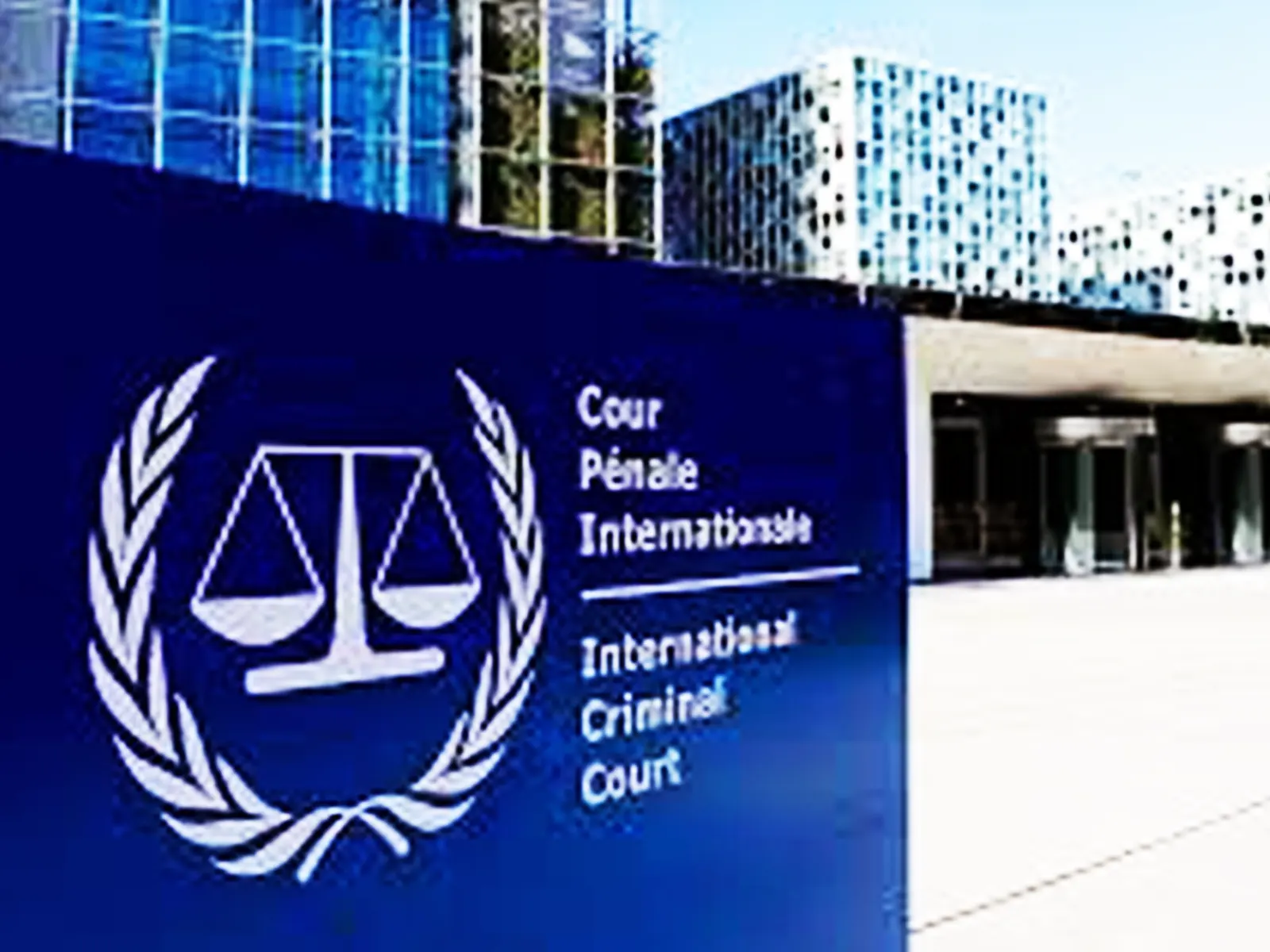
RODRIGO Duterte’s persistent refusal to acknowledge the International Criminal Court’s (ICC) jurisdiction marks a significant challenge to international justice.
By steadfastly maintaining that the ICC has no authority within the Philippines, Duterte aims to bypass the confirmation of charges hearings related to alleged crimes against humanity during his tenure as president. This stance not only undermines the ICC’s mandate but also sets a troubling precedent for other nations potentially facing similar scrutiny.
The decision to ignore the ICC’s proceedings is a calculated move to shield Duterte and his administration from further investigation and potential prosecution.
Skipping the confirmation of charges hearings effectively prevents the presentation of evidence and testimonies that could substantiate the allegations against him. This avoidance tactic raises serious questions about accountability and transparency, suggesting a deliberate effort to evade legal scrutiny.
Furthermore, Duterte’s defiance carries significant implications for the victims of the alleged crimes. By refusing to cooperate with the ICC, he denies them the opportunity to seek justice and redress for the harm they have suffered. This stance not only prolongs their suffering but also perpetuates a culture of impunity, emboldening others to commit similar acts without fear of consequence. The international community has expressed concerns over this situation, urging Duterte to reconsider his position and cooperate with the ICC to ensure justice is served.
In conclusion, Rodrigo Duterte’s refusal to recognize the ICC’s jurisdiction and skip the confirmation of charges hearings is a calculated strategy to evade accountability for alleged crimes against humanity. This decision undermines international justice, prolongs the suffering of victims, and sets a dangerous precedent for other nations. The international community must continue to press for cooperation and ensure that those responsible for grave human rights violations are held accountable.
metrosundaily