

Courtesy: Patricia Non
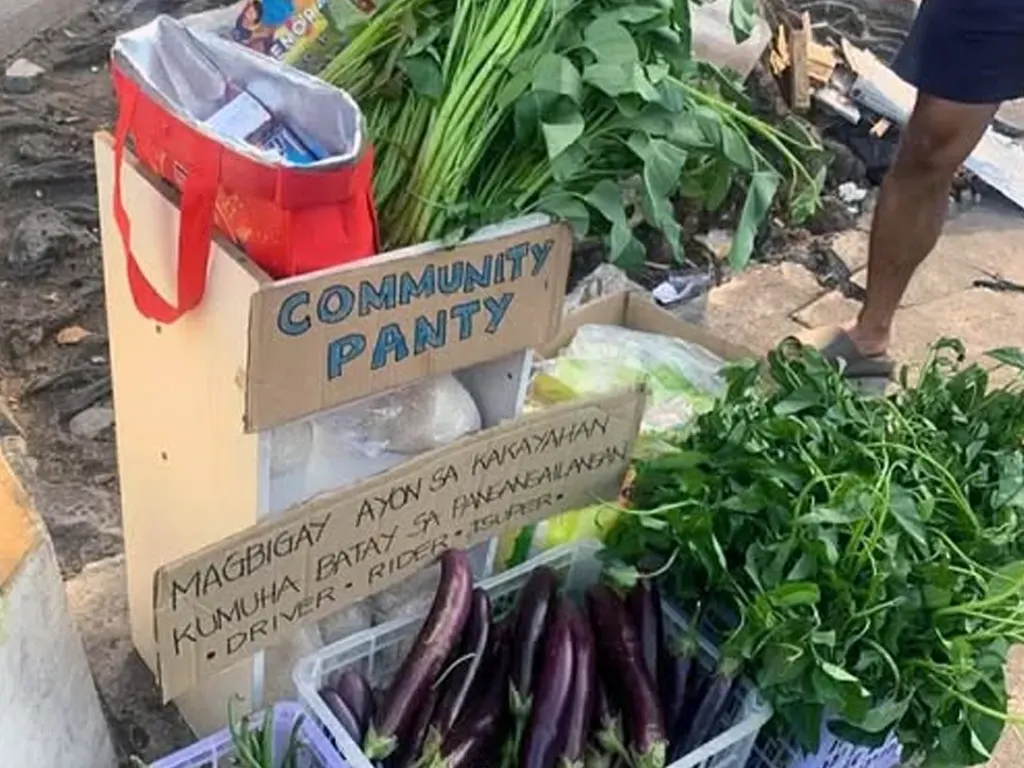
IN response to the persistent rise in oil prices and the economic strain it places on drivers, community pantries have begun to reappear across various locations, offering a vital lifeline to those most affected.
These grassroots initiatives, reminiscent of the widespread community pantry movement seen in previous years, are once again stepping up to provide essential goods and support to drivers of public utility vehicles (PUVs), including jeepneys, taxis, and delivery services. The resurgence of these pantries underscores the ongoing challenges faced by transport workers and the community’s solidarity in addressing them.
The re-establishment of these pantries is driven by the urgent need to alleviate the financial burden on drivers, whose incomes are significantly impacted by the escalating cost of fuel.
With each fill-up becoming pricier, drivers are forced to either absorb the costs, leading to reduced earnings, or pass them on to passengers, potentially decreasing ridership. Community pantries aim to bridge this gap by providing drivers with access to basic necessities such as rice, canned goods, and other food items, thereby reducing their daily expenses and offering some respite from the economic pressures.
Volunteers and organizers behind these community pantries emphasize that the initiative is not just about providing material aid but also about creating a sense of community and shared responsibility.
They highlight that the success of these pantries relies on the collective effort of donors, volunteers, and recipients. Local communities, NGOs, and even some businesses have come forward to contribute donations, ranging from food supplies to financial assistance, ensuring the sustainability of these efforts. The pantries operate on a simple principle: “give what you can, take what you need,” promoting a spirit of generosity and mutual support.
The return of community pantries serves as a poignant reminder of the socio-economic challenges that persist, particularly for vulnerable sectors like PUV drivers.
While these initiatives offer immediate relief, they also bring to the forefront the need for more systemic solutions to address the root causes of the oil price hikes and their impact on the cost of living. As these pantries continue to operate, they provide essential support and serve as a visible symbol of community resilience and collective action in the face of economic adversity.