CONSUMERS may soon face higher prices for pork if the current trend of escalating fuel costs persists, according to a cautionary statement from the Pork Producers Federation of the Philippines (PPFP), Inc.
While pork prices remain stable nationwide for now, the PPFP warns that the consecutive weekly increases in fuel prices are beginning to exert considerable pressure on the industry’s production and transportation expenses, making a price adjustment in the coming months increasingly probable.
Rolando Tambago, vice chairman of the PPFP, stated that if the current trajectory of oil price hikes continues, there is a “very real possibility” that retail pork prices could reach or even surpass P500 per kilo.
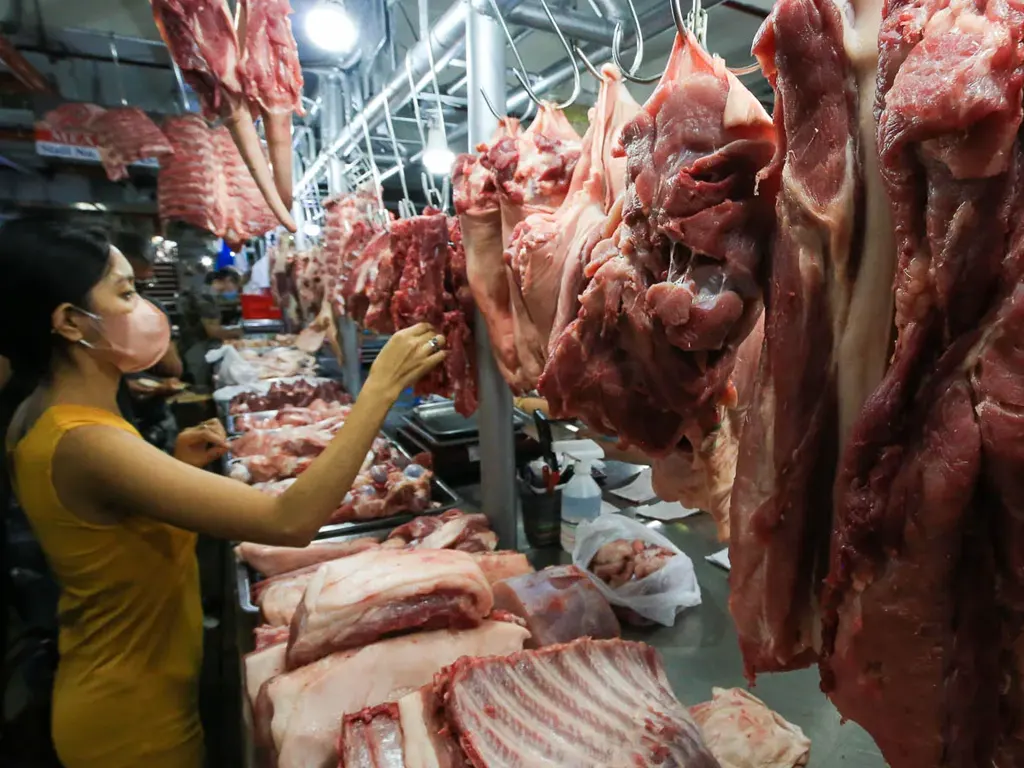
This projection highlights the significant impact that fuel costs have on the entire pork supply chain. Currently, farmgate prices suggest that pork sold in wet markets should still be priced below P390 per kilo, offering consumers temporary relief despite the underlying cost pressures.
The pork industry is experiencing the impact of these added expenses across all its facets. This includes the cost of imported feed ingredients like soybean meal and wheat, as well as the logistics involved in transporting live hogs from farms to slaughterhouses and ultimately to markets. These cumulative cost increases are squeezing profit margins for producers, who are striving to absorb these additional expenses for as long as possible.
Despite the mounting financial pressures, pork producers are making efforts to avoid sudden and drastic price increases. Tambago explained that a sharp spike in prices could deter consumers, potentially leading to a decrease in demand.
Such a scenario could, in turn, result in an oversupply of pork and consequently, heavier losses for farmers. The industry is thus navigating a delicate balance between covering rising costs and maintaining consumer affordability to prevent further economic hardship.