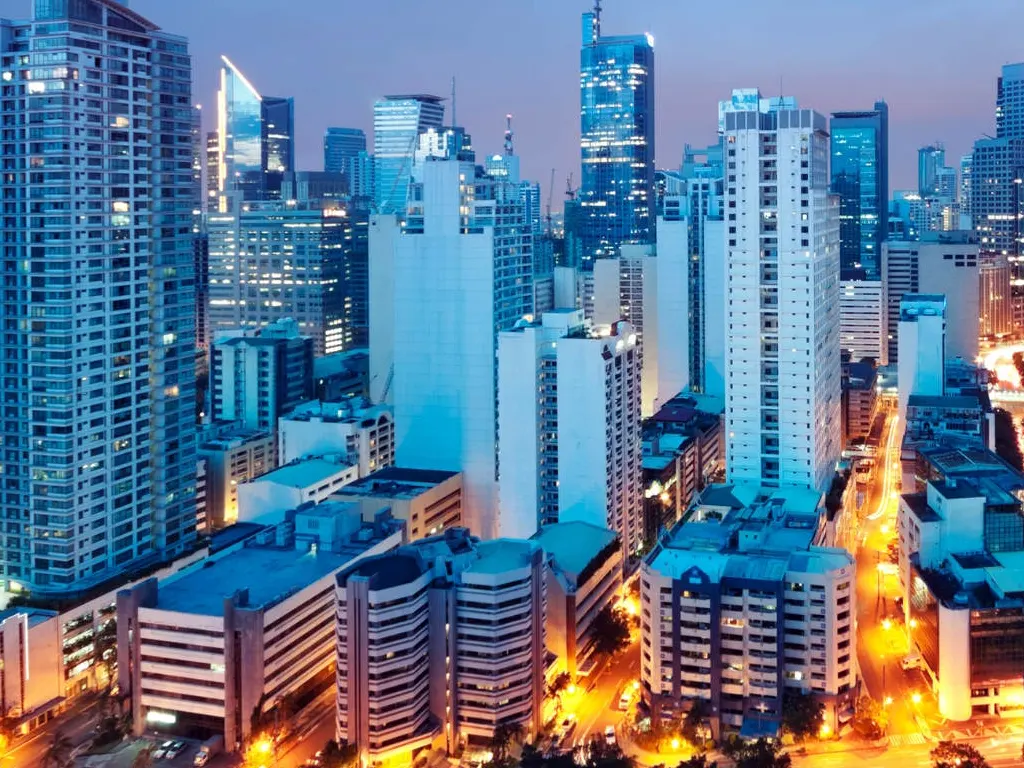
Courtesy: Makati Web Portal
THE Philippines has officially attained the status of an upper middle-income country, marking a major economic milestone after years of steady progress.
This achievement is the result of consistent economic growth, key policy reforms, and the collective effort, hard work, and resilience of the Filipino people across all sectors. It signals that the country has moved to a higher level of development, reflecting improved income levels and broader economic stability over time.
Beyond being a mere classification, this milestone opens new doors for the nation’s future. It presents a valuable opportunity to accelerate the creation of more and better-paying jobs, raise productivity across industries, and foster greater innovation in both public and private sectors. With this status, the government and businesses can also work toward expanding access to essential services, infrastructure, and livelihood opportunities for communities in both urban centers and rural areas.
To further explain the significance of this development, World Bank Division Director Zafer Mustafaoglu shares insights on what this classification means for the Philippines and the promising opportunities that lie ahead. His discussion highlights how the country can leverage this new standing to sustain progress, address remaining gaps, and ensure that economic growth translates into tangible improvements in the quality of life for all Filipinos.
metrosundaily