
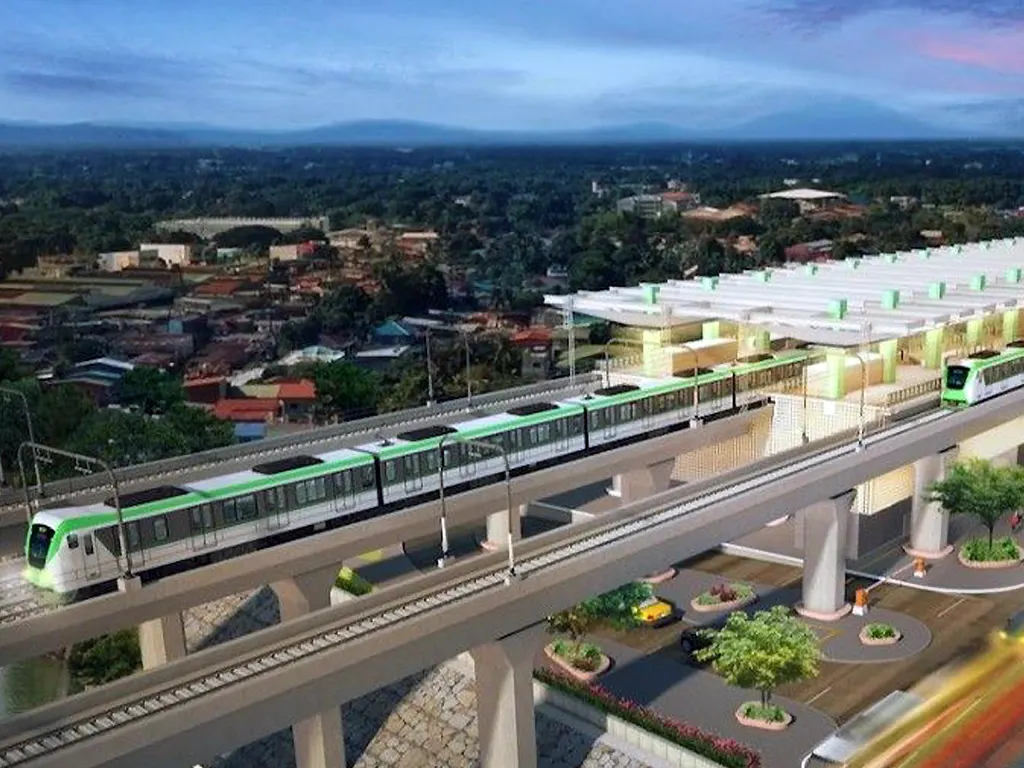
THE Philippines and the Asian Development Bank (ADB) have marked their 56 years of productive partnership with the signing of the first tranche of the multilateral institution’s largest single infrastructure loan package—the US$4.3-billion funding support for the South Commuter Railway Project (SCRP), which is one of the flagship ventures under President Rodrigo Duterte’s centerpiece infrastructure development program “Build, Build, Build.”
President Duterte witnessed the signing by Finance Secretary Carlos Dominguez III and ADB President Masatsugu Asakawa of the agreement for the first tranche of the loan amounting to US$1.75 billion in ceremonies held at Malacañan Palace Thursday night (June 16).
Dominguez said ADB’s high level of approved financing to the Philippines–totaling over US$30 billion since 1969 and of which more than half was released under the Duterte administration–is “a vote of confidence for President Duterte’s economic development agenda and fiscal management.”
This vote of confidence is also reinforced by the fact that in the last six years, other ADB-supported projects in the country have attracted from various partner institutions a total of US$8.7 billion in co-financing, which represents 74 percent of the total sovereign co-financing from 1972 to 2022, Dominguez said.
The Japan International Cooperation Agency (JICA), which has extended US$4.5 billion to ADB’s projects in the Philippines since 2017, has been the largest of these co-financing partners.
Under the Duterte administration, the Philippines-ADB portfolio has also been rebalanced to closely align with the priorities set by the Philippine government, such as President Duterte’s “Build, Build, Build” program and his ambitious climate action agenda, which led the Bank to extend its first-ever climate change policy-based loan to the country, Dominguez said.
The Bank has also provided technical assistance to the government for the design of various projects, Dominguez noted.
“At every turn, it was the Duterte administration’s priorities that drove the ADB’s development assistance agenda for the Philippines,” Dominguez said during the event.
Dominguez reminded the ADB that being the region’s largest and most experienced development institution, “it needs to step up again to assist its members” and become a “more agile and flexible” instrument in responding to their needs, now that the recovery efforts of the Philippines and other pandemic-battered Asia Pacific economies are being weighed down by the impact of the conflict in Ukraine.
metrosundaily