AN indigenous community in Sta. Ana, Cagayan is poised for economic growth thanks to a collaborative effort between the Department of Social Welfare and Development (DSWD), the local government unit (LGU), and the community itself.
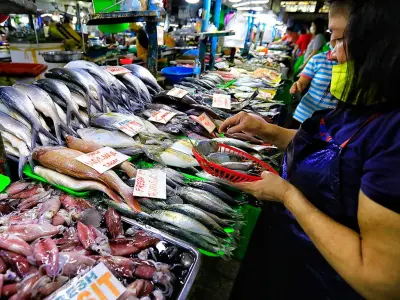
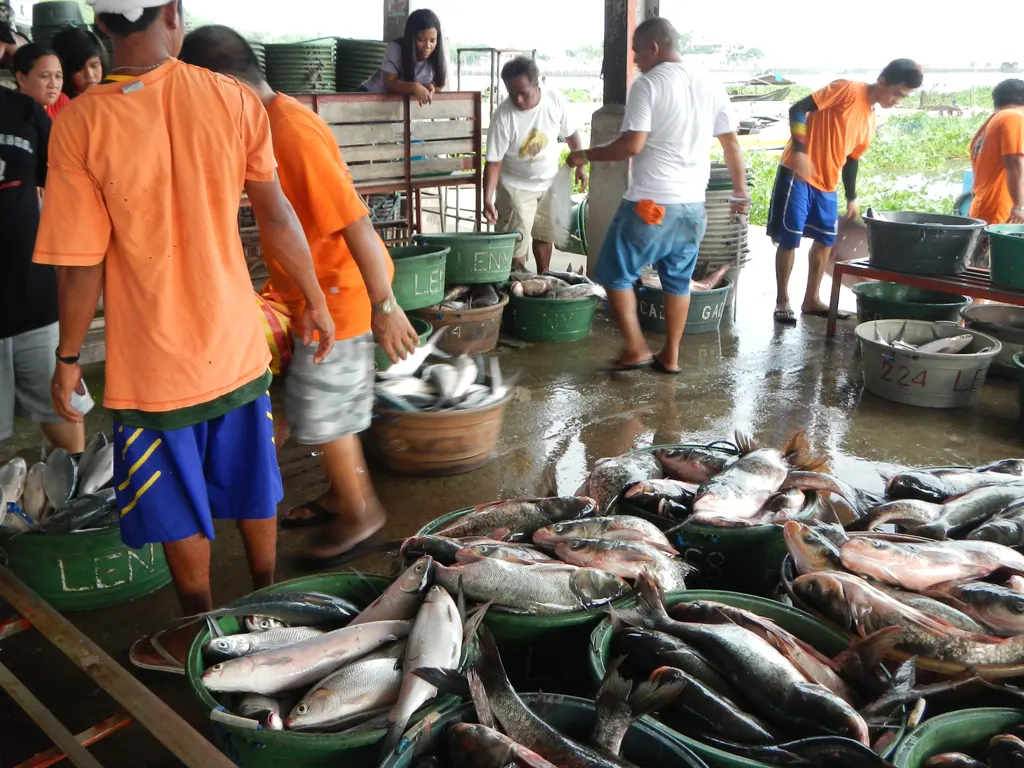
The initiative focuses on enhancing the community’s fish processing business, providing a pathway to improved livelihoods and a better quality of life.
This collaborative approach underscores the importance of empowering indigenous communities through sustainable economic development.
The project aims to equip the indigenous peoples (IPs) with the necessary skills, tools, and resources to significantly improve their fish processing operations.
This includes providing training on modern fish processing techniques, improving hygiene and sanitation practices, and enhancing packaging and marketing strategies. The goal is not merely to increase production but to also improve the quality and marketability of their products, opening up new opportunities for increased income.
The DSWD’s role in this initiative is multifaceted. The agency is providing crucial financial assistance, facilitating access to training programs, and offering support in developing business plans.
This comprehensive support system ensures that the community has the necessary resources to not only improve their existing business but also to expand and diversify their operations in the future. The DSWD’s involvement highlights the government’s commitment to promoting the welfare of indigenous communities.
The LGU of Sta. Ana plays a vital role in providing logistical support and ensuring the project’s smooth implementation. This includes facilitating access to local markets, providing infrastructure support, and ensuring the project aligns with local development plans.
The LGU’s active participation underscores the importance of local government involvement in community development initiatives. The collaborative approach ensures the project’s sustainability and relevance to the community’s specific needs.
The success of this initiative hinges on the active participation and ownership of the indigenous community itself. Empowering the IPs to manage and sustain their improved fish processing business is crucial for long-term success.
By providing training and resources, the project aims to build capacity within the community, ensuring that they can independently manage and grow their business. This focus on community ownership and empowerment is key to achieving sustainable economic development and improving the overall well-being of the community.
metrosundaily