BASED on a study conducted by audit and consulting firm Deloitte Philippines, about 70 percent of the country’s workforce—mostly from Gen Zs and 63 out of every 100 millennials—are experiencing burnout because of the “demands of their workload”—very much higher than the 45-percent global average.
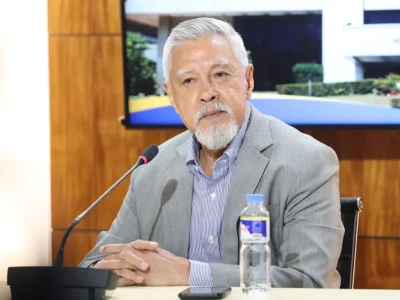
This was revealed by Deloitte managing partner and chief-executive-officer Eric Landicho who said that most Filipino workers now are growing frustrated with their jobs and some are now feeling overwhelmed because of the uneven workload distribution with some tasks other than their workload have fallen on them as well.
Respondents to Deloitte’s study described the situation as becoming untenable because their work performance is increasingly getting more difficult as they are expected to accomplish more than they can truly handle, given the hours they work, the logistics provided to them and high expectations from their employers.
One employee complained that although his group has been recognized as the “competent” team in his company so they are trusted to do additional work, demands of the job have, however, reached levels that they near impossible to achieve.
As such, 58 percent of the study respondents claim that many of their colleagues have already resigned or quit their job due to “work pressure.” This percentage exceeds the global average of 43 percent and could severely impact the employment scenario in the Philippines.
“This workplace problem is taking a toll on their mental health, which is among the Filipino youth’s key stressors. About 48 percent of millennials and 68 percent of Gen Zs in the Philippines claim to be ‘anxious or stressed out all or most of the time’.
These figures, again, are much more than the global average of 38 percent for millennials and 46 percent for Gen Zs,” Landicho noted.
“It appears that our youngest work colleagues, in particular, have a lot weighing on their minds, which is not surprising considering the circumstances surrounding their milestones,” he added as explanation.
metrosundaily