
AS president-elect Ferdinand “Bongbong” Marcos Jr. aspires to bring down rice prices to around P20 per kilo, the Department of Agrarian Reform (DAR) sees the realization of it through the implementation of its mega farms project.
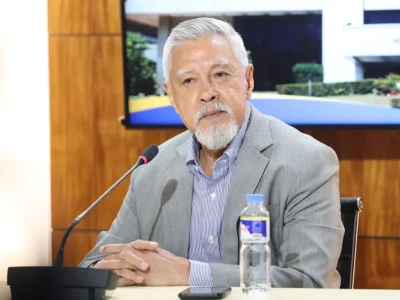
DAR Secretary Bernie Cruz, the proponent of the project, said the concept of the mega farms is to consolidate small farm lots into mega farms for rice production.
“The “Mega Farm” is a cluster of contiguous farms that are consolidated to form a sizable plantation capable of producing a large volume of farm products to meet the demands of consumers,” Cruz said.
“From the studies we conducted in the mega farms project, we found out that not only is the P20-a-kilo rice achievable, but it will also be profitable for our agrarian reform beneficiaries (ARBs),” Cruz said.
Cruz said that the DAR has come up with a program called “Programang Benteng Bigas sa Mamamayan” (PBBM) under the “Mega Farm” project.
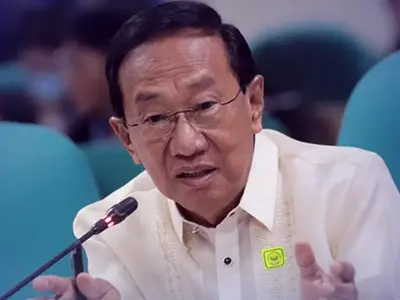
DAR Undersecretary David Erro, who is a co-proponent of mega farms said the PBBM will initially start with 150,000 hectares rice land under the coverage of the Comprehensive Agrarian Reform Program (CARP) and its adjacent small farm lots.
According to studies made by the DAR, the 150,000-hectare can produce an average of 142 cavans of rice per hectare per cropping season. This translates to a gain of P76,501.00 annually for ARBs.
“We Filipinos have a daily average per capita consumption of rice at 301 grams or 109.9 kilograms per year. With that figure, this project can feed around 9 million poor Filipinos in our country,” Erro said.
“If our PBBM project under the “Mega Farm” project pushes through, it will not only lower the price of rice to P20, but it will also liberate the farmer-beneficiaries of CARP from subsistence farming,” Erro said.
metrosundaily