
THE impeachment trial of Vice President Sara Z. Duterte may extend beyond the Christmas break, with prosecutors acknowledging that its conclusion and the eventual votes of senator-judges remain uncertain despite their confidence in the evidence already presented.
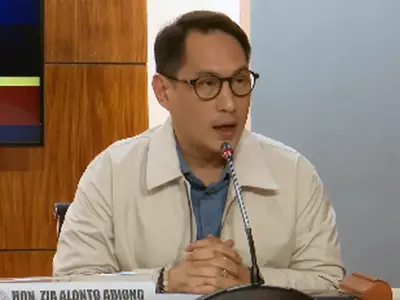
Akbayan Party-list Rep. Chel Diokno, a member of the House impeachment prosecution panel, declined to commit to a holiday deadline during an ANC Headstart interview on Monday, emphasizing that the court must complete the proceedings while respecting due process.
“It’s very hard to predict. I hope that the entire litigation will be done by then, but I really can’t say for sure,” Diokno acknowledged.
His assessment came as defense lawyer Justin Gular disclosed Monday that approximately five to eight witnesses could still be presented, raising the possibility that the trial may require additional hearing dates beyond the December 1 to 4 schedule.
“We hope that the witnesses will be ready to testify come December 1,” Diokno explained.
The Senate impeachment court has scheduled hearings from December 1 to 4, with additional dates potentially needed, while court spokesperson Reginald Tongol indicated that the proceedings could extend into the Christmas break depending on the remaining testimony and procedural requirements.
“And we will be ready as well to confront them,” Diokno maintained.
The prosecution has already rested its case after presenting documentary evidence and forensic accounting findings alleging at least P817.87 million in unexplained wealth and undeclared assets involving Duterte and her husband, lawyer Manases Carpio, from 2022 to 2025.
“We hope that this entire litigation can be resolved as soon as possible,” Diokno stressed.
The impeachment court must still complete the defense’s presentation, resolve evidentiary matters, receive the parties’ formal submissions and evaluate the remaining charge under Article II before reaching a verdict.
“We are ready for any eventuality, and we want this case to be resolved subject, of course, to all considerations of due process, the truth, and accountability,” Diokno explained.
The court’s September 23 ruling lowered the conviction threshold from 16 to 14 votes by basing the two-thirds requirement on the number of senator-judges legally and factually capable of participating in the proceedings.
“We’re very confident about our case,” Diokno declared.
“Now how the court will look at it and eventually vote are matters that we will have to await, and I hope will come soon,” he added.