
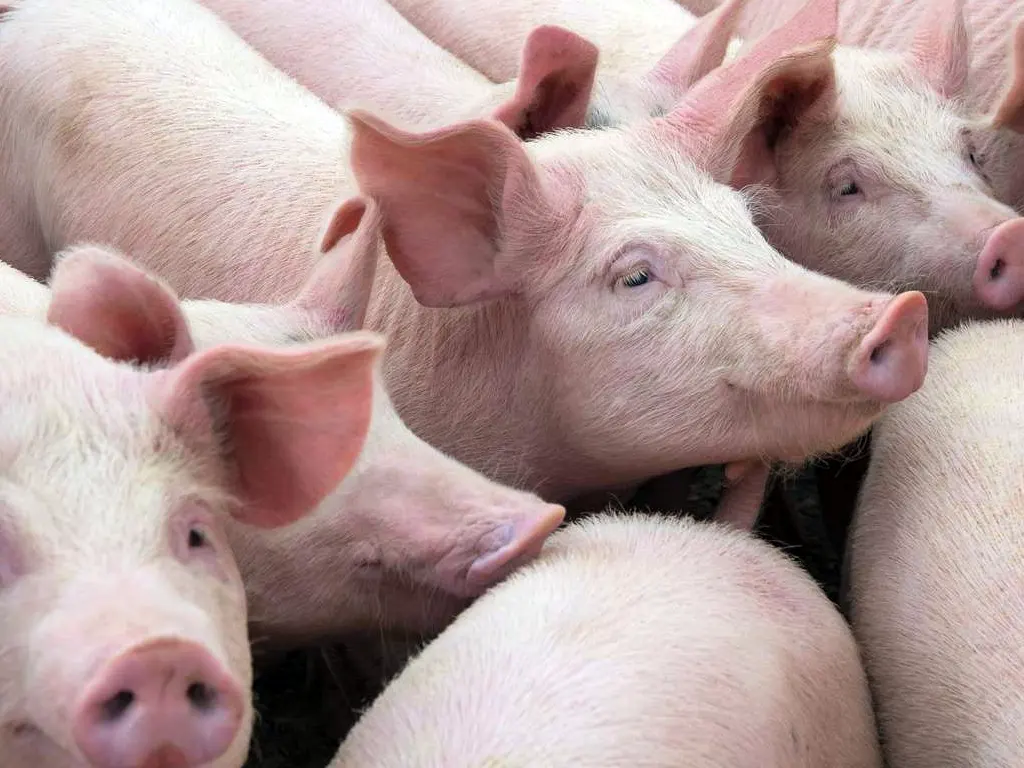
CONSUMA PH, an independent consumer-centered think tank, called for a stronger crackdown on pork smuggling and better-targeted import policies to address the country’s pork crisis, emphasizing that protecting Filipino hog raisers must not come at the expense of consumers who are already struggling with high food prices.
The call comes amid the three-day “pig holiday” from October 22 to 24, launched by hog raisers protesting depressed farmgate prices and mounting losses.
According to CONSUMA PH, while the action draws attention to their plight, suppressing supply does not directly address the underlying problems confronting local producers.
“The pig holiday sends a message, but pigs cannot simply be kept off the market indefinitely. They continue consuming feeds, adding to farmers’ costs, while importers can continue supplying the market. If the disruption pushes retail prices higher, consumers will bear the burden, and the government may respond by allowing even more imports,” said CONSUMA PH founder and spokesperson Atty. Nat Oducado, a former party-list representative.
Hog raisers have reported farmgate prices as low as ₱90 to ₱120 per kilogram of live hogs, with estimated losses of ₱5,000 to ₱9,000 per animal. Meanwhile, Department of Agriculture monitoring for October 5–11 showed Metro Manila’s local liempo averaging ₱368.39 per kilogram, compared with ₱305.34 for imported liempo. Local kasim averaged ₱313.31, against ₱240.66 for imported kasim.
CONSUMA PH stressed that the government must address the sources of unfair competition and the high cost of domestic production instead of relying primarily on higher tariffs or broad import restrictions.
“First, crack down on pork smuggling. Strengthen inspections at ports, track the origin and movement of pork shipments, and hold large-scale smugglers accountable. Illegal pork entering the market undermines legitimate producers and evades the rules that law-abiding businesses are expected to follow,” Oducado urged.
“Second, make imports responsive to actual supply needs. Import volumes and timing should be guided by transparent, reliable supply-and-demand data, with clear and fair limits. Imports remain necessary when local production cannot meet demand, including when disease outbreaks reduce available supply. But import policies must not unnecessarily disadvantage Filipino hog raisers,” he added.
“Third, help local farmers become more competitive. Provide accessible financing, feed assistance, veterinary support and recovery funding for farms affected by African Swine Fever (ASF). Strengthening biosecurity and disease surveillance is essential to protecting herds, restoring production and reducing the risks faced by backyard and commercial raisers.”
The Food and Agriculture Organization reported active ASF cases in 65 barangays across 41 cities and municipalities in 20 provinces as of August 7, 2026, underscoring the continuing disease-control challenge for the domestic hog industry.
Oducado emphasized that excessive import restrictions could also raise prices for households, particularly if domestic production remains insufficient.
“The objective must be to stop illegal pork, allow only the imports the country needs, and help Filipino farmers produce more efficiently. We need a policy that protects local livelihoods while ensuring that consumers can still afford pork. A stronger domestic hog industry and affordable food must go hand in hand, not compete against each other,” Oducado maintained.
metrosundaily