THE prosecution panel moved to cut weeks off the impeachment trial of Vice President Sara Duterte by asking her camp to admit or deny key facts on bank records already submitted to the Impeachment Court.
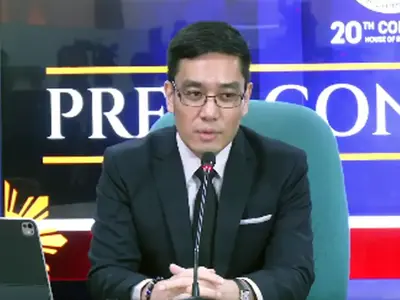
House prosecutor and Akbayan party-list Rep. Atty. Chel Diokno told the Senate impeachment court on Tuesday that the prosecution filed a written request for admission, a procedural move aimed at narrowing the fight over financial records and avoiding the need to call more witnesses if the basic facts are not genuinely disputed. Rule 26, which was discussed in court, covers requests to admit the genuineness of relevant documents or the truth of material facts and provides for a sworn response within the period set by the rule or the court.
“Earlier today (Tuesday), Your Honor, the prosecution served upon counsel for respondent a written request for admission and furnished a copy to this honorable court,” Diokno said.
He said the request asks Duterte’s side to confirm two core points: whether the bank records submitted by banks under subpoena are genuine, and whether the accounts in those records belong to Duterte, either individually or jointly with others.
“Simple lang po ang hinihiling ng prosecution,” Diokno told the court: “Hinihiling po namin sa respondent na kumpirmahin, una, kung genuine o tunay ang mga bank records na isinumite ng mga bangko alinsunod sa subpoena… at ikalawa, kung ang mga bank accounts na tinutukoy sa mga records na iyon ay pag-aari ni Vice President Sara Zimmerman Duterte individually or jointly with others.”
Diokno stressed that the prosecution was not asking Duterte to admit matters beyond her reach. He said the request covered records and accounts she would be “particularly well positioned to know or can readily verify.”
“We are not asking the respondent to admit matters that they do not know anything about or that they have no access to,” Diokno said. “We are asking them simply to admit records that they can readily and easily verify either through their own records or through confirmation with the banks and other institutions.”
The filing came as the prosecution continued to press the financial side of the impeachment case. The court had earlier authorized subpoenas for Duterte’s financial records in the impeachment trial, with the use of those records limited to matters relevant to the charges before the court.
Diokno drew a line between a request for admission and the stipulations earlier used in trial. A stipulation requires agreement between the parties, he said. A request for admission invokes a specific rule and does not depend on a prior agreement.
“We are invoking that procedure for one reason and one reason alone: to shorten this trial,” Diokno said.
He said admissions on uncontested matters could save the court substantial time.
“If the respondents would admit matters that are subject of the request, we would be able to dispense with the presentation of at least 15 witnesses,” Diokno said.
He then framed the request in plain terms: “Kung totoo, aminin. Kung hindi totoo, tuwirang tanggihan. Kung hindi naman kayang aminin o itanggi nang tapat, sabihin sa ilalim ng panunumpa kung bakit.”
Defense counsel Atty. Michael Poa said Duterte’s camp would respond at the proper time and asked for 15 days, rather than the seven days sought by the prosecution.
“On the part of the defense, I do not question the intention of the good counsel to abbreviate the proceedings,” Poa said. “In fact, the defense would like to do so as well.”
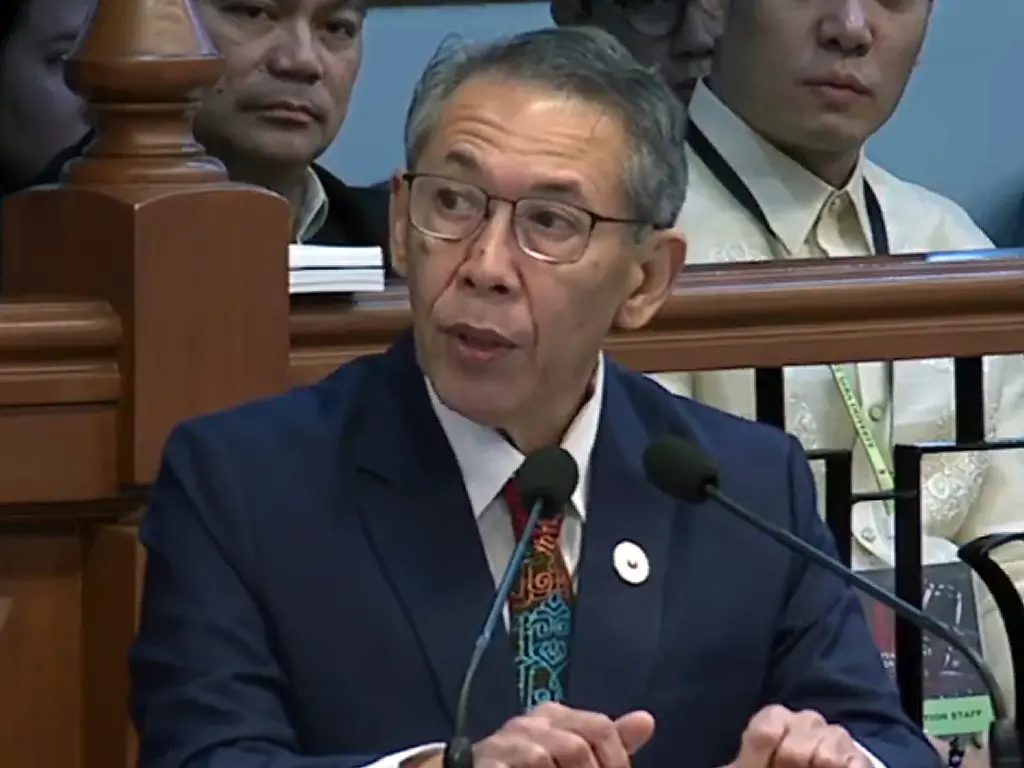
Presiding Officer Sen. Francis Escudero raised the issue of whether Rule 26 could apply, noting the impeachment trial’s sui generis character and citing People v. Ang, which discussed limits on requests for admission in criminal proceedings because of the right against self-incrimination.
Diokno answered that the impeachment trial is not a criminal trial.
“This is an impeachment trial where the outcome will only determine whether the Vice President can continue to serve as Vice President and whether there will be any perpetual disqualification imposed on her,” Diokno said. “No imprisonment, no fine, no other element of criminal case is involved in this impeachment trial.”
Escudero granted the defense 15 days to file its comment on the 104 requests for admission, while warning that the court would take note of the effect of a general denial and any unreasonable denial.
“Chair gives the respondent 15 days from today to file their comment on the 104 requests for admission under Rule 26,” Escudero ruled.
He also said the court would review the defense comments and “make sure that it will not violate the respondent’s right against self-incrimination.”
Senator-Judge Tito Sotto then asked whether the 15-day period would delay the trial. Escudero said no.
“The trial will proceed, it will not be delayed,” Escudero said.
Senator-Judge Panfilo Lacson asked if the 15-day period was non-extendable. Escudero answered: “It’s non-extendable.”
metrosundaily