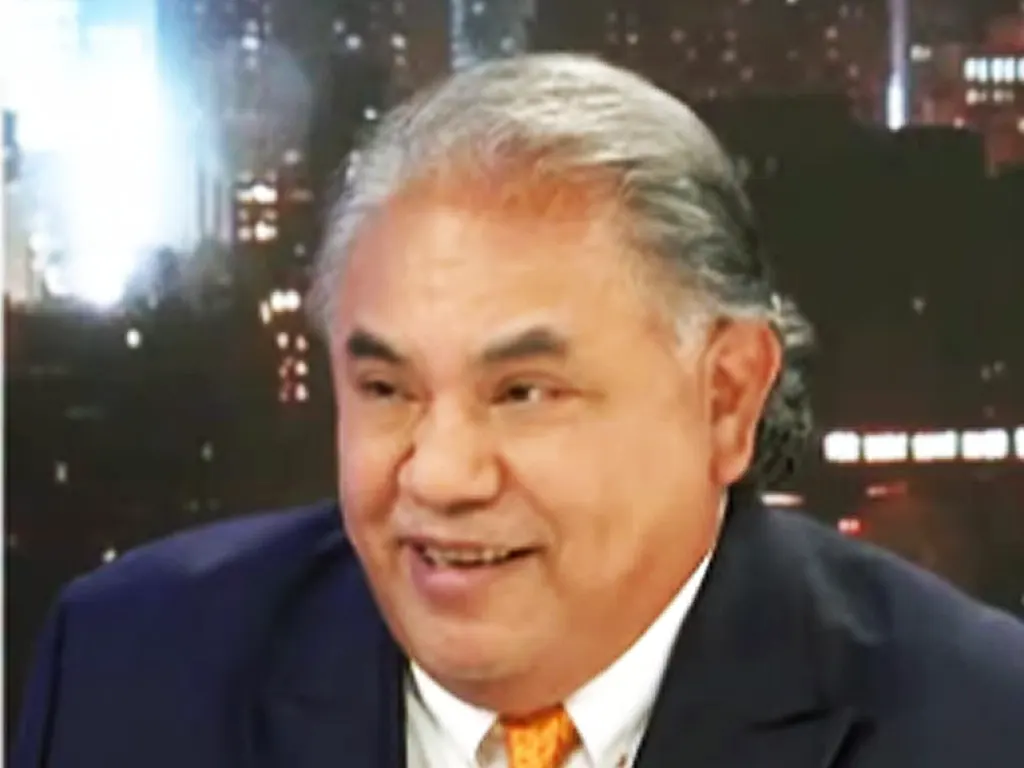
Former Pamantasan ng Lungsod ng Maynila president and College of Law Dean Jose “Judd” Roy III
THE Office of the Ombudsman’s move to turn former Public Works Secretary Manuel Bonoan and other Department of Public Works and Highways (DPWH) insiders into state witnesses was questioned Wednesday, with a former law school dean arguing that officials who controlled the design, bidding, implementation and payment of allegedly anomalous projects should be treated as central actors in the plunder scheme rather than insulated from prosecution.
Former Pamantasan ng Lungsod ng Maynila president and College of Law Dean Jose “Judd” Roy III, who served on the defense team of impeached Chief Justice Renato Corona in 2012, argued that the alleged flood-control kickback machinery could not have operated without the participation of DPWH officials who handled virtually every stage needed to move government money.
“Matagal ko nang napupuna ’yan, at ito’y isang malaking problema para sa akin. Napapansin ko sa lahat ng mga kasong ito, parating binibigyan ng Ombudsman ng immunity ’yang DPWH,” Roy stressed in an interview over dzRH Wednesday.
Roy pointed to the department’s control over project funds, designs, bidding, contractor selection, accomplishment approvals and ultimately the release of payments as the reason DPWH officials could not be treated merely as peripheral witnesses to alleged corruption.
“Nasa kanila ang pondo, nasa kanila ang disenyo, nasa kanila ang bidding, sila ang mamimili ng kontratista, sila ang mag-aapruba ng lahat ng trabaho, sila ang mag-uutos na maghanda ng pambayad. Sila rin ang mag-uutos ng pag-release ng bayad,” he explained.
The criticism came after the Sandiganbayan Fifth Division voted 2-1 to grant the Ombudsman’s request to drop Bonoan as an accused in plunder and graft cases involving an alleged P573-million flood-control kickback scheme, clearing the way for prosecutors to use the former DPWH chief as a state witness.
“Bakit ito pa ang binibigyan ng immunity? Ito pa ang pinagtatanggol,” Roy argued.
Bonoan had originally been charged alongside Sen. Jinggoy Estrada and several former DPWH officials, but the Ombudsman later sought his cooperation on the ground that his institutional knowledge could help expose the alleged system behind questionable flood-control transactions and support cases against other personalities.
Roy, however, maintained that the critical issue is whether an official who allegedly played a central role in processing the transactions can satisfy the basic requirement that a state witness must not appear to be the most guilty among those accused.
“Ang ibig sabihin nitong tatanggalin at gagawing state witness, lumalabas kasi ang rekisito po ng batas diyan, hindi mo maaaring gawing state witness ’yan kung ’yan ang pinaka-guilty. Kung ’yan ang may pinakamaraming kasalanan,” he stressed.
The former law dean argued that lawmakers accused of receiving kickbacks did not prepare project documents or control the administrative machinery required to release public funds, while DPWH personnel allegedly handled those steps and, according to the cases, also participated in commissions.
“Yun ang sinasabi ko, paano magiging mas makasalanan yung senador kaysa dito sa mga taga-DPWH, na bukod pa doon sa pamemeke, meron pang komisyon. Ang dami-daming kasalanan noon, tapos ito bibigyan mo ng immunity,” Roy maintained.
The Fifth Division’s ruling stands in contrast with an earlier decision of the Sandiganbayan Second Division, which rejected the Ombudsman’s bid to remove Bonoan from a separate graft case, leaving him an accused in that proceeding even as prosecutors pursue his testimony elsewhere.
Roy warned that the use of DPWH officials as cooperating witnesses could allow people allegedly indispensable to carrying out the transactions to escape accountability while prosecution concentrates on officials outside the department.
“Eh dapat nga ’yang mga lintek na ’yan ang ipakulong at kung hindi, babalik-balik lamang ’yan doon sa sistema,” he stressed.
metrosundaily