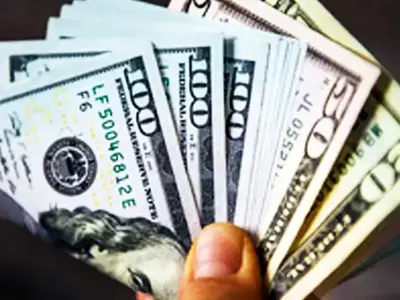

THE Philippine peso tumbled to a historic low on Wednesday, coming just a fraction below the psychologically significant 62‑to‑one‑dollar threshold amid heightened volatility in the foreign exchange market.
Data from the Bankers Association of the Philippines shows the currency opened trading at ₱61.85 against the US dollar before weakening further to an intraday low of ₱61.995 as of 9:00 a.m. — marking the weakest level the peso has ever reached in the country’s financial history.
The sharp depreciation reflects growing market concerns driven by a mix of global and domestic pressures. Persistent inflation risks, rising international crude oil prices, and broad strength in the US dollar have all contributed to the peso’s downward trend. Additionally, heavy import payments and uncertainties surrounding the country’s fiscal outlook have fueled demand for the greenback, accelerating the local currency’s slide in early trading.
Economists and market observers are closely watching whether the peso will break past the 62 mark in the coming sessions. A weaker peso means higher costs for fuel, food, and other imported goods, potentially adding more pressure to consumer prices and household budgets. Authorities are expected to monitor the movements closely, with the Bangko Sentral ng Pilipinas standing ready to intervene if volatility becomes excessive, though it has maintained a market‑determined exchange rate policy.
metrosundaily