DEPUTY Speaker Janette Garin said Congress should closely examine agencies’ Quick Response Funds (QRFs) in the proposed 2027 national budget to ensure the government can immediately provide basic services during calamities.
“‘Yung quick response fund ng bawat ahensya, napakaimportante noon. So, ‘yan ‘yung isa naming titingnan kung saan ba pinaggagastusan,” Garin said during an online press briefing Monday.
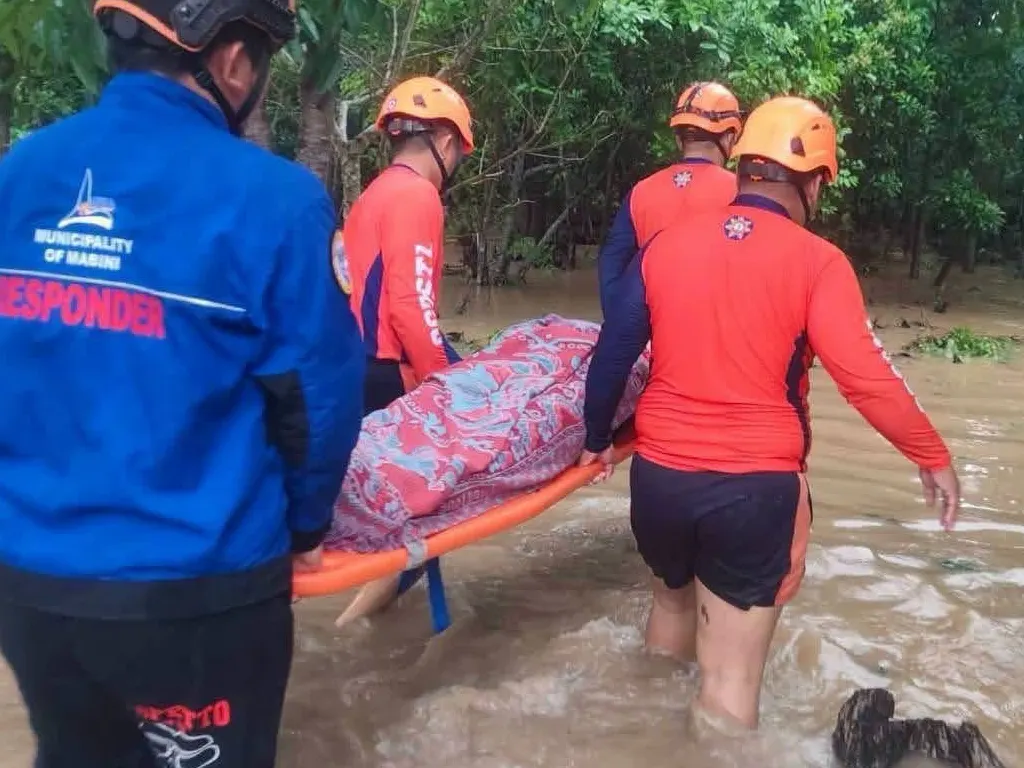
Garin said Speaker Faustino “Bojie” G. Dy III and Majority Leader Ferdinand Alexander “Sandro” A. Marcos has been coordinating with national government agencies to identify immediate needs and funding gaps exposed by the heavy rains and flooding affecting several parts of the country.
The Executive is scheduled to submit the proposed 2027 National Expenditure Program to Congress today, formally kicking off legislative scrutiny of the government’s spending plan.
Garin said the current calamities have highlighted areas where agencies and local governments need faster access to resources, particularly for health services, clean water and the immediate restoration of damaged infrastructure.
She said QRFs can be tapped for urgent health needs arising from disasters, including medicines and vaccines for people injured or exposed to health risks in evacuation centers.
“Makikita mo minsan na maraming kailangan nila, like right there and then, meron kang mga nasugatan, natamaan ng kung ano-ano na aksidente dahil sa sama ng panahon,” Garin said.
“Ito ay pwedeng paggastusan ng quick response fund, lalo’t lalo na kapag sila ay nangangailangan ng mga anti-tetanus shots and everything, ‘yung mga bakuna na kailangan sa evacuation centers,” she added.
Garin, a physician and former health secretary, likewise cited the need to ensure the immediate availability of medicines against diseases associated with flooding, as well as supplies needed to provide safe drinking water.
She said Congress should examine how disaster-response procedures could be improved so basic services reach affected communities more quickly.
“Personally, we would like to look at how, paano, ano ang pwedeng proseso na magkaroon ng immediate na pagtugon sa basic services like provision of clean water, restoration of lines, and of course, ‘yung immediate repair and accessibility,” Garin said.
She cited damaged hanging bridges and other small but critical infrastructure that may fall outside the usual projects of the Department of Public Works and Highways and could strain the limited resources of smaller municipalities.
“Baka naman kulang ‘yung pondo ng ating mga munisipyo, lalo na kung maliliit,” she said.
Garin also cited the House leadership’s coordination with the Department of Labor and Employment (DOLE), which resulted in the augmentation of workers under the Tulong Panghanapbuhay sa Ating Disadvantaged/Displaced Workers, or TUPAD, program to help communities undertake immediate repairs.
“Nung kinausap ni Speaker Bojie Dy at ni Majority Leader Sandro Marcos ang [DOLE], nagkaroon ng augmentation ng TUPAD workers,” Garin said.
Under the arrangement, she said local governments or barangays provide the materials while DOLE-funded workers supply the manpower for urgent repairs.
“‘Yung mga materials ay nanggagaling sa LGU o sa barangay para sa immediate repair, at ‘yung manpower naman ay siniswelduhan ng DOLE,” Garin said.
“So ‘yung partnership na ‘yun ay nakakapagpaayos agad-agad ng mga nasira o ‘yung mga nabara na mga overflow bridges at hanging bridges,” she added.
Garin said the upcoming budget deliberations would give Congress an opportunity to examine whether agencies have sufficient QRFs and whether existing mechanisms allow the government to respond quickly enough to disasters.
She stressed that any review should also examine how the funds are spent, placing accountability alongside the need for faster disaster response.
“‘Yan ‘yung isa naming titingnan kung saan ba pinagagastusan. So, andun ‘yung accountability ng ating mga Cabinet secretaries,” Garin said.
metrosundaily