TWO vessels carrying more than 500 people, mostly Rohingya refugees, are believed to have capsized off the coast of Myanmar in recent days, according to a joint announcement by the International Organization for Migration (IOM) and the UN Refugee Agency (UNHCR) released Thursday.
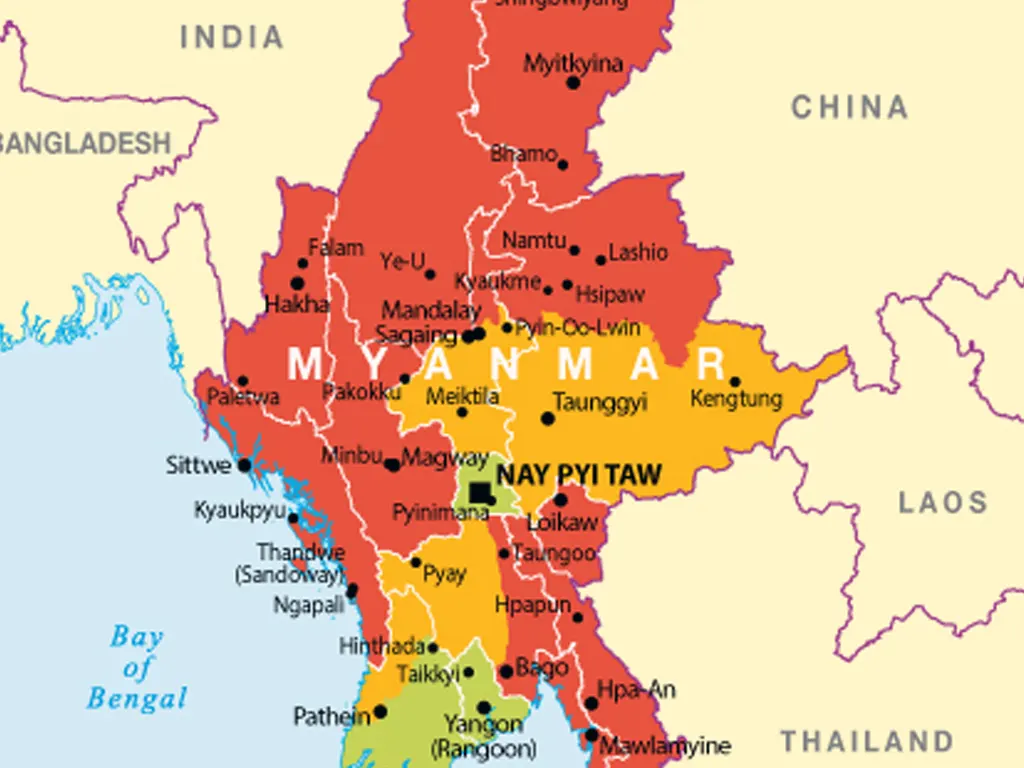
The boats departed from Rakhine State in late June, with many passengers coming from overcrowded refugee camps in Cox’s Bazar, Bangladesh, as they sought safety and better prospects elsewhere. While official confirmation of the incidents and exact toll is still pending, the agencies expressed deep alarm over what could be a catastrophic loss of life.
The first vessel, carrying an estimated 250 people, lost contact shortly after setting sail. A second boat with around 280 passengers is thought to have sunk near Myanmar’s Ayeyarwady coast on July 8. The UN bodies noted that these journeys were attempted outside the usual sailing window, when weather and sea conditions are far more dangerous, heightening the risks faced by those on board. For years, members of Myanmar’s Rohingya minority have undertaken these perilous voyages, fleeing ongoing violence and persecution at home as well as squalid, restrictive conditions in camps across the border.
Driven by despair, many board small, fragile wooden craft in the hope of reaching Malaysia, Indonesia, or Thailand. This year alone, nearly 300 people — both Rohingya and Bangladeshi nationals — have been reported dead or missing across the Andaman Sea and Bay of Bengal. The latest suspected sinking threatens to make this one of the deadliest incidents yet in a humanitarian crisis that has persisted for years despite international appeals for safe passage and lasting solutions.
UNHCR and IOM emphasized that these tragedies underscore the urgent need for safer, legal pathways for refugees and migrants, as well as coordinated regional action to prevent further loss of life. They called on countries in the region to strengthen search‑and‑rescue capacities and work toward addressing the root causes that force people to risk their lives at sea. “We are gravely concerned by the potentially devastating loss of life,” the agencies stated, reiterating that no one should be forced to choose between danger and despair.
metrosundaily