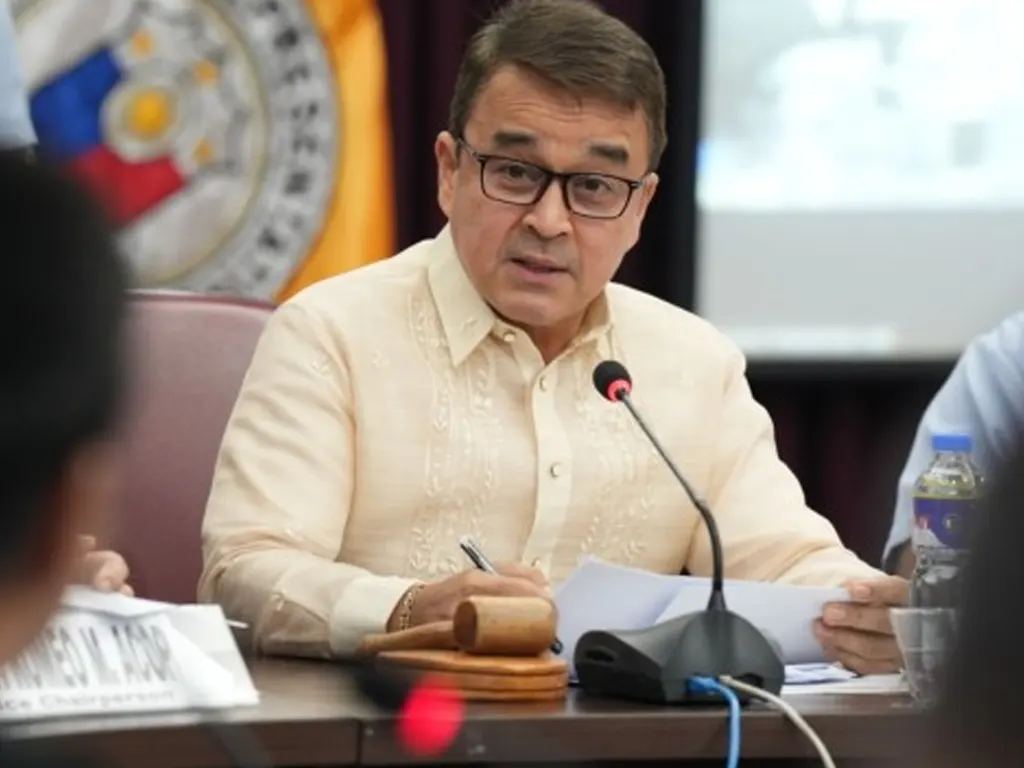
HOUSE impeachment adviser and spokesperson Robert Ace Barbers on Tuesday urged the public to keep its attention on the evidence presented before the Impeachment Court, saying the proceedings should be decided on the facts and the Constitution—not on alleged clerical imperfections in investigative documents.
“Hindi po spelling contest ang impeachment trial,” Barbers, a former Surigao del Norte congressman and governor, said. “Ang tanong ay hindi kung may typo. Ang tanong ay kung naapektuhan ba nito ang ebidensiya.”
“Hindi nagbabago ang katotohanan dahil lamang sa isang maling spelling o clerical error,” Barbers said. “The defense is entitled to examine every document and raise every legal issue it believes is relevant. That is how due process works.”
“But the public should not allow the discussion to be diverted from the central question. This impeachment case will be decided by the evidence—not by the encoding,” he said.
Barbers emphasized that government agencies have a duty to prepare accurate records and that any allegation of error should be examined carefully. However, he stressed that not every discrepancy has the same legal significance.
“The real question is whether the alleged discrepancies are material. Did they change the facts? Did they alter the evidence? Did they affect the integrity of the investigation or prejudice the respondent’s rights? Those are the questions that matter,” he said.
He cautioned against equating alleged clerical or typographical errors with defects in the evidence itself.
“Paperwork should be accurate. But paperwork is not the evidence. If the alleged discrepancies are merely clerical or typographical, they should not automatically be treated as defects in the evidence or in the findings of the investigation,” he said.
Barbers also underscored the importance of distinguishing the evidence already presented before the Court from the documents now being questioned.
“The recordings and other evidence presented before the Impeachment Court stand on their own. Questions about the preparation of investigative documents should not be confused with the evidence itself. Those are separate matters and must be evaluated separately,” Barbers said.
He said the impeachment proceedings should remain focused on the constitutional issues raised by the Articles of Impeachment.
“The issue before the Court is not whether every memorandum is perfectly typed. The issue is whether the evidence establishes the acts alleged in the Articles of Impeachment and whether those acts constitute impeachable offenses under the Constitution,” Barbers said.
Barbers said the defense is free to challenge the government’s evidence and the Court will determine the legal significance of every issue raised. But he urged the public not to lose sight of what ultimately matters.
“The Filipino people deserve a fair proceeding anchored on facts, evidence, due process, and the Constitution. Every issue raised by both sides should be examined fairly. But in the end, this case will be decided not by typography, but by the strength of the evidence presented before the Impeachment Court,” Barbers said.
metrosundaily