Courtesy: Daily Tribune
(Editorial)
THE right to peaceful assembly is enshrined in our Constitution, a fundamental freedom that allows citizens to voice grievances, seek justice, and hold leaders accountable.
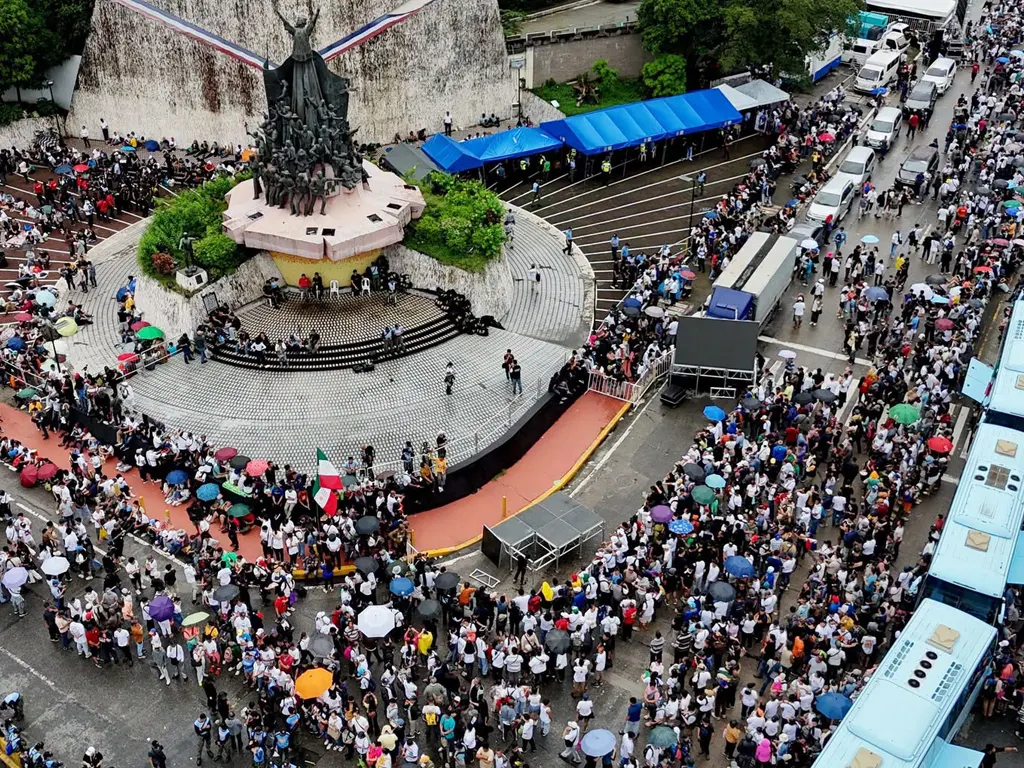
But this right, like all freedoms, comes with a responsibility—to respect the comfort, safety, and daily lives of others. The recent mass gathering of the Iglesia Ni Cristo along EDSA and other major thoroughfares in Metro Manila has laid bare a difficult truth: when a protest grows so large that it paralyzes key roads and traps thousands of commuters, it stops being a legitimate exercise of free speech and becomes a heavy burden on the public.
For ordinary Filipinos, the price of this rally was paid in lost time, missed work, skipped meals, and unmet obligations.
Reports of traffic gridlock stretching for kilometers, commuters stranded for hours under the heat, and students unable to reach their schools tell a story of inconvenience that no cause can fully justify. Many of these people have no stake in the legal issues surrounding Senator Rodante Marcoleta or the actions of the Ombudsman; they simply want to go about their daily lives without being caught in the middle of a standoff between powerful groups and authorities.
What makes this situation more concerning is the lack of proper coordination and planning before the gathering. Even if the group eventually secured a permit for the following day, the initial assembly along EDSA was held without prior approval, catching motorists and commuters by surprise.
While the police exercised restraint and avoided violent dispersal, the absence of advance notice and clear traffic management turned a public expression of sentiment into a major disruption. This raises an important question: should the right to assemble be prioritized over the right of the majority to move freely and go about their livelihood?
Moving forward, both organizers and authorities must find a better balance. Groups wishing to hold large rallies should choose venues that do not block critical transportation routes and coordinate closely with local governments weeks in advance.
Meanwhile, authorities must enforce rules fairly and consistently, ensuring that permits are granted only when public welfare is taken into account. Democracy does not require that one group’s rights be exercised at the expense of everyone else’s.
True advocacy wins support not by causing inconvenience, but by showing respect for the very people it claims to represent.
metrosundaily