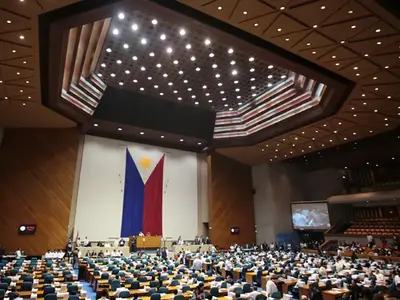
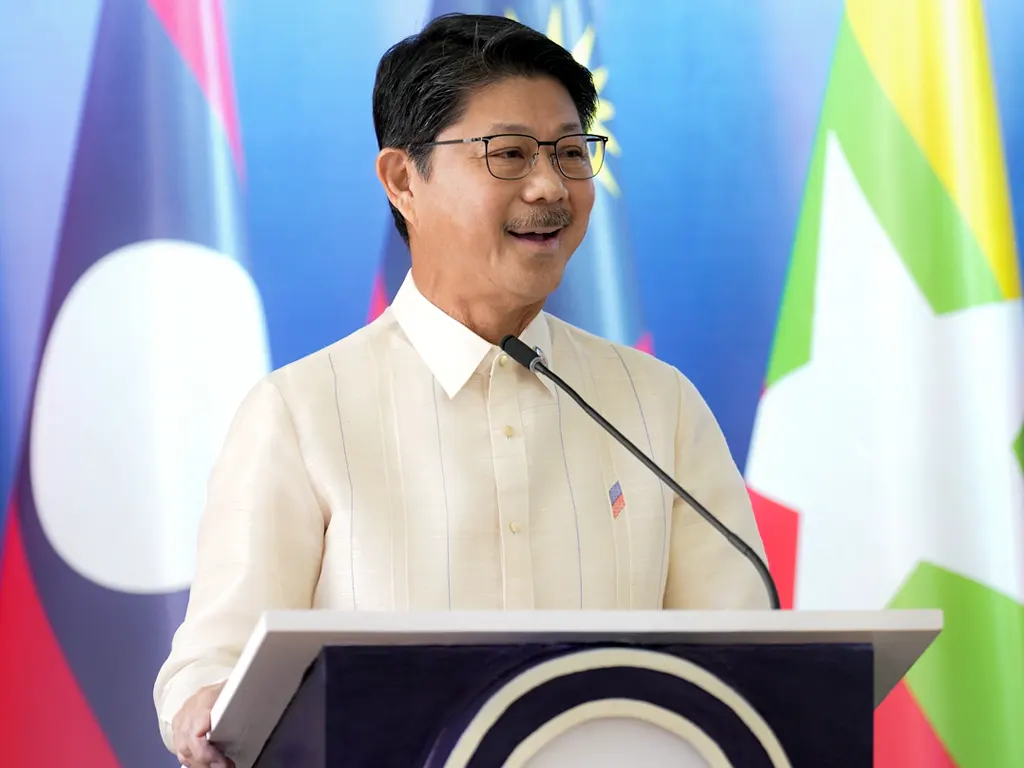
HOUSE Speaker Faustino “Bojie” G. Dy III has filed a measure seeking to reform the country’s party-list system, saying the proposed law aims to strengthen genuine representation for marginalized sectors, civic advocacy organizations, and regional communities in the House of Representatives.
Filed on Monday, House Bill (HB) No. 9906, or the proposed New Party-List System Act, seeks to replace Republic Act No. 7941 and introduce reforms designed to ensure that party-list organizations remain faithful to the constitutional vision of broadening democratic participation and giving voice to communities that traditionally have limited access to political power.
The bill—a Legislative-Executive Development Advisory Council (LEDAC) priority measure—was filed by the Speaker together with members of the Party-List Coalition Foundation, Inc. (PCFI), led by Rep. Jose “Bong” Teves Jr. of TGP Party-list, Rep. Jude Acidre of Tingog Party-list, Rep. Raymond Democrito Mendoza of TUCP Party-list, Rep. Terry Ridon of Bicol Saro Party-list, Rep. Brian Poe of FPJ Panday Bayanihan Party-list, Rep. JC Abalos of 4Ps Party-list, and Minority Leader Marcelino Libanan of 4Ps Party-list.
According to the Speaker, “the party-list system was created to open the doors of Congress to Filipinos and communities whose voices are not always heard in traditional politics.”
“Sa pagdaan ng mga taon, naging malinaw sa atin ang mga kahinaang naglihis sa party-list system mula sa orihinal nitong layunin. Sa pamamagitan ng panukalang ito, nais nating ibalik ang sistema sa tunay nitong hangarin—ang maging daan para marinig at makalahok sa pamamahala ang mga sektor na matagal nang nasa laylayan.”
The explanatory note of the measure states that while the party-list system has expanded participation in the legislative process over the past three decades, questions have emerged regarding the authenticity of representation of some organizations claiming to represent sectors, advocacies, or communities.
To address these concerns, the bill establishes three categories of party-list representation: sectoral representation for marginalized and underrepresented sectors, advocacy representation for civic and public policy organizations, and regional representation for geographic regions and ethno-linguistic communities.
The measure also introduces a genuine representation requirement and verification process, requiring party-list organizations to demonstrate that they genuinely represent the sectors, advocacy groups, or communities they seek to represent. The Commission on Elections (COMELEC) would be empowered to evaluate an organization’s membership base, leadership participation, advocacy record, and organizational presence in the communities concerned.
Under the bill, organizations claiming sectoral representation must show genuine affiliation with the sector they represent, while advocacy organizations must demonstrate a verifiable record of civic or policy work. Regional organizations, meanwhile, must prove sustained presence within the regions or ethno-linguistic communities they seek to represent.
The House chief said the reforms are intended to ensure that party-list representation remains rooted in real communities and real constituencies.
“Layunin nating tiyakin na ang mga kinatawan ay tunay na nagmumula, nakikibahagi, at may malalim na ugnayan sa mga komunidad at sektor na kanilang nirerepresenta,” he said.
The bill likewise requires party-list organizations to maintain continuing public service, advocacy, and constituency engagement, and to submit regular reports documenting their activities and outreach efforts.
The Speaker from Isabela explained that the measure is part of a broader package of electoral and political reforms being advanced by the House of Representatives to strengthen democratic institutions, improve public trust in government, and expand opportunities for meaningful participation in governance.
He stressed that ensuring that party-list organizations maintain genuine links with the communities they represent is essential to preserving public confidence in one of the Constitution’s most important mechanisms for democratic participation.
“Kapag mas matibay ang ugnayan ng mga party-list organizations sa kanilang mga sektor at komunidad, mas magiging makabuluhan ang kanilang representasyon at mas magiging matatag ang ating demokrasya.”
metrosundaily