
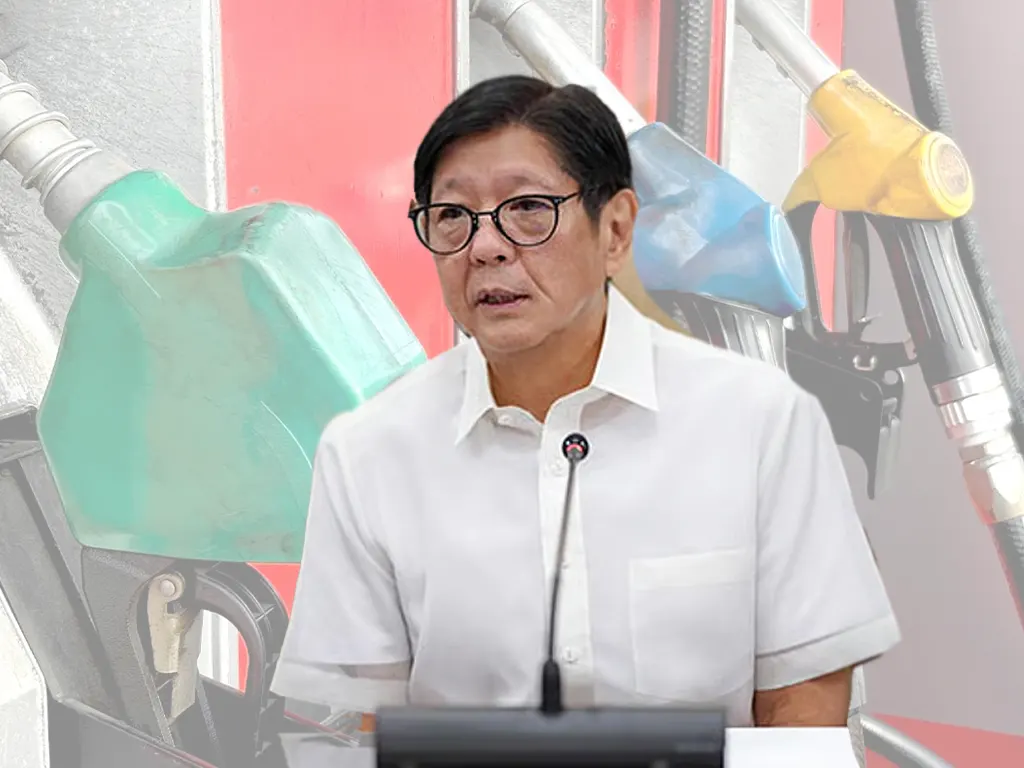
PRESIDENT Ferdinand R. Marcos Jr. has officially summoned Congress to a special session starting June 17, aiming to accelerate the passage of vital laws that will strengthen social protection and support vulnerable sectors amid ongoing energy concerns and recent calamities.
Issued on Monday through Proclamation No. 1318, the directive covers priority bills that had already reached advanced stages of deliberation but remained pending when Congress adjourned.
Among the measures lined up for consideration are the creation of a National Center for Geriatric Health, amendments to laws governing student and teacher assistance in private education, and the Assistance to Individuals in Crisis Situations Act. Also included are revisions to the Universal Access to Quality Tertiary Education Act, legislation for schools in remote and conflict-affected areas, updates to the school nutrition program, the proposed Anti‑Political Dynasty Law, and the establishment of a Presidential Merit Scholarship Program. The session will also allow lawmakers to take up any other proposals intended to improve the welfare and living conditions of Filipinos.
Aside from legislation, the gathering will enable the Commission on Appointments to act on pending nominations and appointments to key posts in the Cabinet, military, and foreign service — ensuring that government agencies remain fully staffed and functional. In his proclamation, the President emphasized the urgency of the task, noting that families affected by the recent Mindanao earthquake, students, senior citizens, children, and other vulnerable groups cannot wait for the next regular session. “The needs of the Filipino people do not pause when Congress is not in session. The government must continue to respond, and the welfare of every Filipino must remain our highest priority,” he stated.
The move is made under Section 15, Article VI of the 1987 Constitution, which grants the President the sole power to convene Congress in special session whenever urgent matters require immediate legislative action. By bringing lawmakers back ahead of schedule, the administration seeks to ensure that critical support systems, educational aid, health services, and institutional stability are strengthened without delay, especially as the country continues to face multiple challenges.
metrosundaily