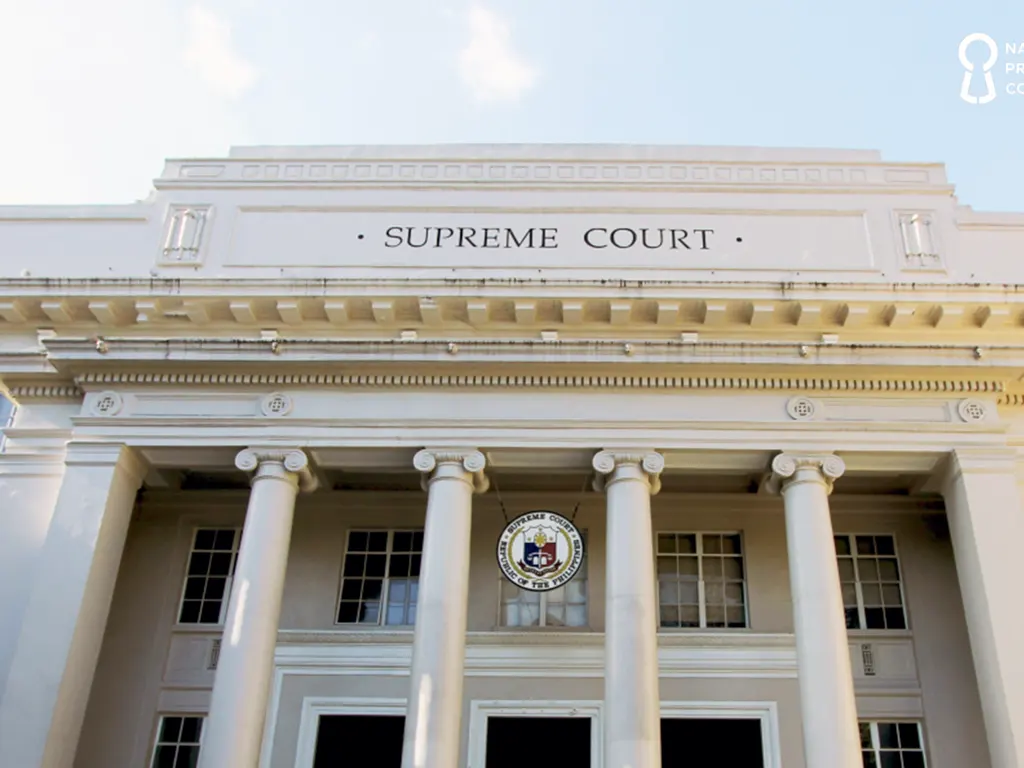
THE Supreme Court en banc has formally dismissed a petition that sought a judicial declaration that the attendance of 12 senators during the June 3, 2026 session of the 20th Congress constituted a valid quorum.
Filed by John Barry T. Tayam, the case aimed to settle a key point of contention in the ongoing leadership dispute within the upper chamber, but the High Court ruled against proceeding with the review during its session held on June 10, 2026.
In its decision, the Court explained that Tayam lacked the necessary legal standing to file the petition. Under established jurisprudence, a petitioner must clearly show that they have suffered — or face an immediate threat of — direct and personal injury resulting from the act or measure being challenged. The justices found that Tayam failed to present sufficient evidence to prove such injury, or that his rights were directly affected by the Senate session in question.
Docketed as G.R. No. E‑06540 and entitled John Barry T. Tayam v. Sen. Alan Peter S. Cayetano, Sen. Pilar Juliana “Pia” S. Cayetano, and Sen. Lorna Regina “Loren” B. Legarda, the suit specifically asked the Court to recognize the 12‑senator attendance as a lawful quorum. This issue has been central to the conflict between rival blocs, with one side maintaining that 13 members are required to form a quorum and elect a Senate President, while the other relies on precedents allowing proceedings with fewer members.
By dismissing the petition solely on the ground of lack of standing, the Supreme Court effectively brought the case to a close without issuing any ruling on the merits of the quorum question itself. The outcome means that the legal debate surrounding the Senate’s internal rules and leadership reorganization remains unresolved by the judiciary, leaving the chamber’s political factions to continue addressing the matter within their own ranks and procedures.
metrosundaily