A MEASURE that seeks to institutionalize the study of the Philippine Constitution in basic education and deepen civic participation among young Filipinos has been approved on third and final reading by the House of Representatives with an overwhelming 297 affirmative votes.
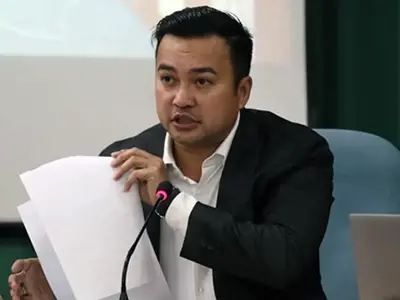
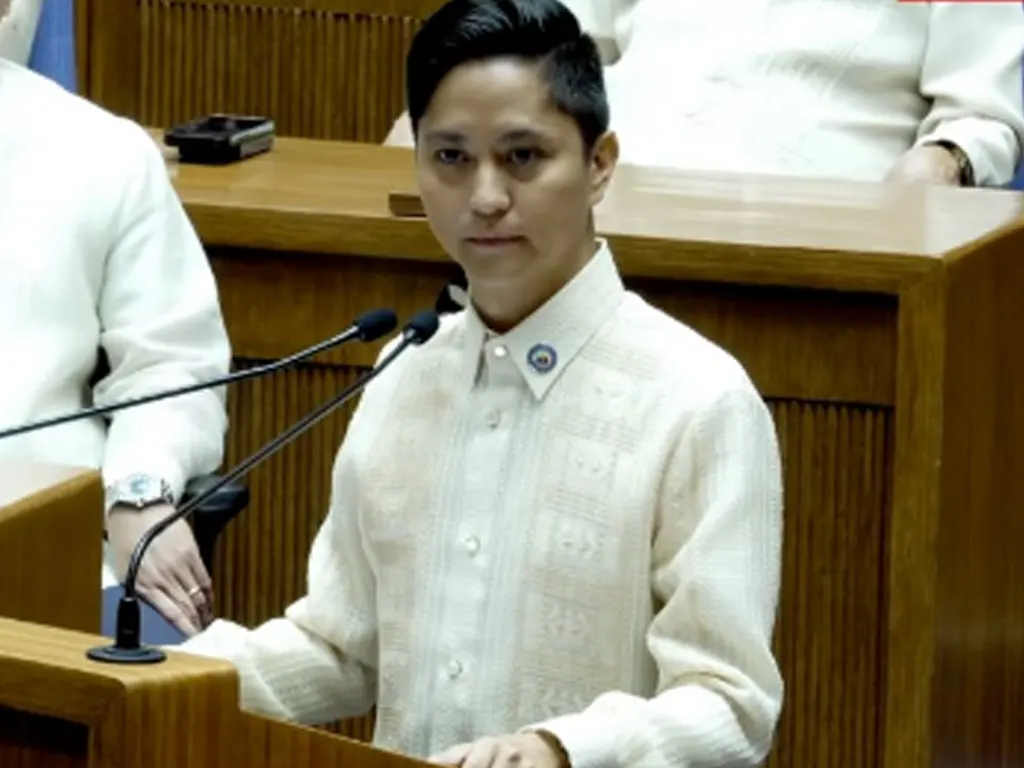
House Majority Leader and Ilocos Norte Rep. Ferdinand Alexander “Sandro” A. Marcos said House Bill (HB) No. 9377, or the proposed Constitutional Education Act, reflects the commitment of the House under the leadership of Speaker Faustino “Bojie” Dy III to strengthen democratic institutions by ensuring that Filipinos understand the Constitution that governs their rights, freedoms and responsibilities.
“The Constitution should not be a document that Filipinos encounter only in law school, government offices or moments of national controversy. It should be something our young people grow up understanding because it shapes their rights, their opportunities and their responsibilities as citizens,” Marcos said.
The authors include Speaker Dy, Majority Leader Marcos, Reps. Antonino B. Roman III, Marlyn L. Primicias-Agabas, Patrick Michael D. Vargas, Lorenz R. Defensor, Howard A. Guintu, Roman T. Romulo, Kenneth T. Gatchalian, Agatha Paula Aguilar Cruz, Laarni Lavin Roque, Bernadette G. Escudero, Ma. Victoria Co-Pilar, Dibu S. Tuan, Dale B. Corvera, Eulogio “Leo” R. Rodriguez, Carmelo G. Lazatin Jr., Steve Chiongbian Solon, Salvador A. Pleyto, Ustadz Yusop T. Alano, Ma. Nina Francesca P. Lacson, Sergio C. Dagooc, Julius Cesar “Jay” V. Vergara, Nelson S. Legacion, John Tracy F. Cagas, Jesus “Bong” C. Suntay, Ziaur-Rahman “Zia” Alonto Adiong, Faustino Michael Carlos III T. Dy, Bella Vanessa B. Suansing, Katrina Reiko Chua-Tai, Brian Poe, Jose Manuel Tadeo “Chel” I. Diokno, Robert Nazal, Ronaldo V. Puno, Alyssa Michaela “Mica” M. Gonzales, Juan Carlos “Arjo” C. Atayde, Geesnell Yap, Jc M. Abalos, Milagros Aquino-Magsaysay and Jason P. Almonte.
The measure mandates the integration of constitutional education into the basic education curriculum beginning in Grade 1, with the goal of promoting constitutional literacy, democratic values and active citizenship among learners.
Marcos said the proposal recognizes that a stronger democracy begins with an informed citizenry capable of understanding both the powers and limits of government.
“When ordinary Filipinos understand the Constitution, they become better equipped to protect their rights, demand accountability and participate meaningfully in public life. This is not simply about teaching legal concepts but about empowering every Filipino family through knowledge that can help them navigate the challenges of everyday life,” Marcos said.
Under the measure, students will be introduced to a broad range of constitutional subjects that include the history of the Constitution, nationalism and sovereignty, the national territory, state policies and principles, the national economy, branches of government, citizenship, suffrage and the rights and duties of citizens.
The curriculum will likewise include lessons on democratic values, social justice, human rights, people’s participation in governance, education, science and technology, culture and sports, the role of the family, constitutional commissions, local government, accountability of public officers and relevant jurisprudence.
To encourage civic participation beyond the classroom, the bill requires all schools to observe Constitution Day every Feb. 2 through student-led activities such as debates, forums, mock elections and other programs designed to deepen appreciation for democratic institutions and civic engagement.
Marcos said the measure aims to bridge the gap between constitutional principles and the daily realities faced by ordinary citizens.
“Many of the issues that affect the lives of our people, from education and employment to public services and accountability, are rooted in principles found in the Constitution. By helping students understand these principles early, we help create citizens who are more engaged, more responsible and more prepared to contribute to nation-building,” Marcos said.
The bill also directs the Department of Education to work with the Supreme Court, the Integrated Bar of the Philippines and legal education institutions in developing training and certification programs for teachers who will handle constitutional education.
The proposed training programs may form part of teacher education and professional development initiatives and may also provide recognition for legal professionals who volunteer instructional services.
Within 90 days from the approval of the measure, DepEd will be required to issue the implementing rules and regulations in consultation with the Supreme Court, the IBP and other relevant stakeholders.
Marcos said the long-term value of the measure goes beyond the classroom because it seeks to build a generation that understands both the privileges and obligations that come with citizenship.
“A democracy becomes stronger when its people understand not only what government can do for them, but also what they can do for their country. Through this measure, we hope to cultivate a generation of Filipinos who value truth, participation, accountability and service, and who understand that democracy thrives when citizens are informed and engaged,” Marcos said.
metrosundaily