THE House of Representatives on Tuesday formally opened a congressional inquiry into the massive May 13 power outages that affected millions of consumers across Luzon and the Visayas, following a resolution filed by Speaker Faustino ‘Bojie’ G. Dy III and Senior Deputy Speaker Ferdinand “Dinand” Hernandez seeking an investigation into the widespread grid disruptions.
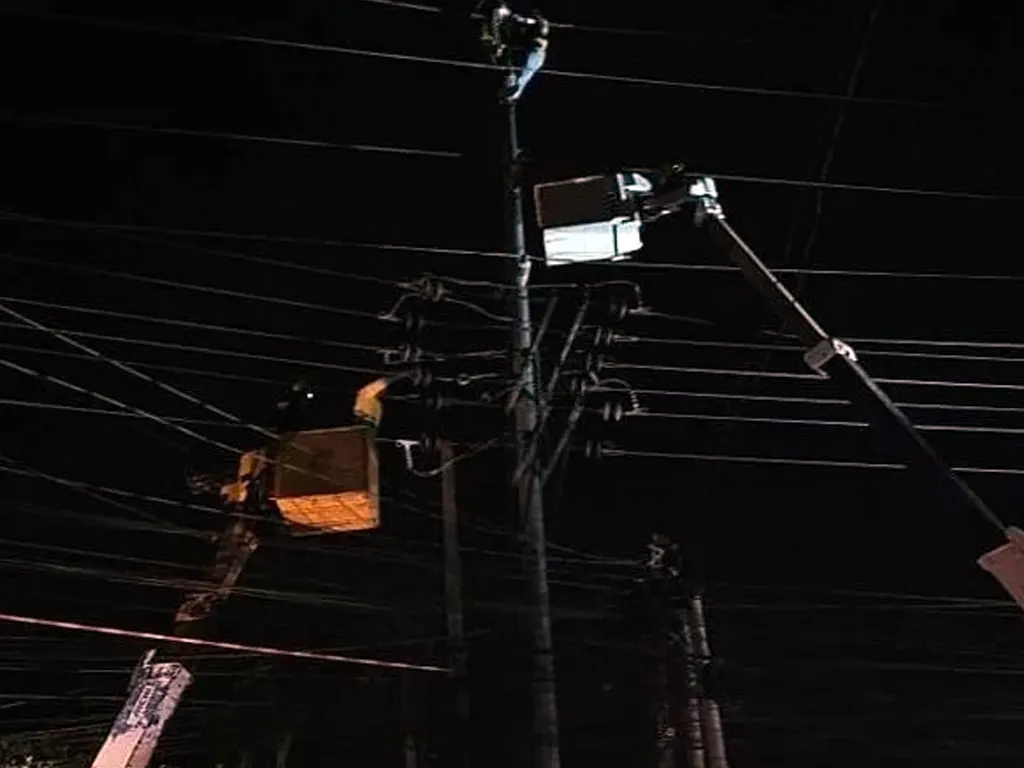
The inquiry, conducted jointly by the House Committee on Energy and House Committee on Legislative Franchises, focused on the cascading tripping of the Tayabas-Ilijan and Dasmariñas-Ilijan 500-kilovolt transmission lines that triggered severe Red and Yellow alerts across the Luzon and Visayas grids.
The hearing stemmed from House Resolution No. 1024 authored by Speaker Dy and Hernandez, which called for a congressional investigation, in aid of legislation, into the widespread power disruptions on May 13.
“This resolution, authored by Speaker Bojie Dy III and myself, is a call to action. Filipinos affected by these outages expect today’s discussion to be productive, transparent, and collaborative as we work together to strengthen our energy infrastructure and ensure a reliable power supply for every Filipino,” Hernandez said in his opening statement during the hearing.
Hernandez said the inquiry was not simply about identifying technical failures, but about ensuring accountability and putting long-term safeguards in place to prevent another major grid collapse.
“This inquiry should remain constructive, solution-oriented, and responsive to the concerns of the public. Our mandate today is to determine what failed, why it failed, and what measures must be put in place to prevent similar incidents from happening again,” he said.
The Senior Deputy Speaker stressed that repeated transmission failures carry serious economic consequences, especially at a time when Filipinos are already struggling with inflation and rising costs.
According to Hernandez, “more than 3.9 million consumers across Metro Manila, Batangas, Cavite, Laguna, and Rizal were affected by Manual Load Dropping. Every time the lights go out, businesses incur losses, households are disrupted, and our economy—already grappling with inflation and global volatility—takes another avoidable hit.”
He also emphasized the need for stronger coordination between the Department of Energy, the National Grid Corporation of the Philippines and industry stakeholders to improve response time and crisis management during major power disruptions.
“When these failures occur, the public rightfully demands accountability from government. That is why we must move beyond reactive responses and work toward a more proactive and resilient energy system,” Hernandez said.
“The DOE must have real-time visibility and timely coordination with the grid operator to ensure faster response, clearer communication, and better crisis management.”
Hernandez said the House inquiry will focus on technical accountability and grid resilience, coordination and communication protocols, and supply security and ancillary services.
He stressed that protecting the stability of the power system requires close coordination among regulators, system operators and power producers.
The House leader pointed out that “no entity operates in a vacuum. The regulator, the system operator, and the power producers are all interconnected stakeholders in maintaining the stability of our power system.”
“Our goal today is to bridge operational gaps, strengthen coordination, and establish safeguards that will better protect the grid and the Filipino people.”
metrosundaily