
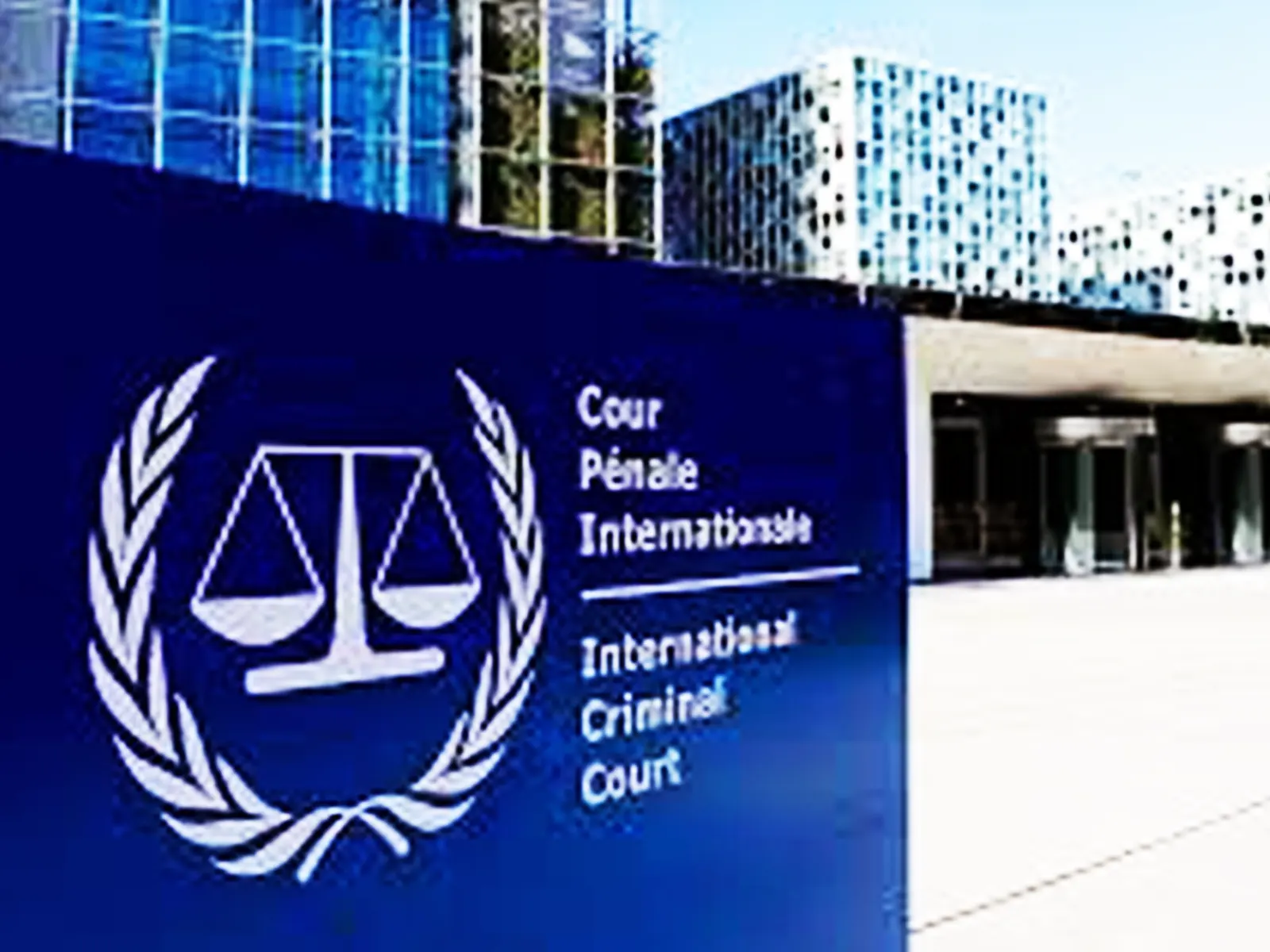
THE HAGUE – The International Criminal Court (ICC) has officially dismissed circulating reports claiming it had issued a public arrest warrant against Senator Ronald “Bato” dela Rosa.
According to a statement obtained by The Philippine STAR, ICC spokesperson Oriane Maillet clearly stated: “No public arrest warrants have been issued in relation to the situation in the Philippines.” The clarification comes amid growing speculation and rumors that the lawmaker was already the subject of an official court order, which had fueled discussions both in legal circles and in public discourse across the country.
When pressed whether a warrant might have been issued but kept confidential, Maillet declined to give a direct confirmation or denial, noting that the court “cannot speculate on these matters or on any confidential information.” This distinction is critical, as the ICC’s rules allow it to keep arrest warrants secret and undisclosed to the public — or even to the subject — when necessary to ensure successful surrender or prevent flight.
A clear precedent exists: the arrest warrant against former president Rodrigo Duterte was only made public in March 2025, after he had already been taken into custody and transferred to The Hague. This means that while there is no visible or published order against Dela Rosa at present, the possibility of undisclosed proceedings technically remains open.
The legal scrutiny surrounding Dela Rosa intensified earlier this year, when, in February 2026, the ICC Office of the Prosecutor formally identified him, along with Senator Bong Go and former PNP chief Oscar Albayalde, as “co‑perpetrators” in alleged crimes against humanity.
The prosecution alleges that between November 2011 and March 2019, Duterte and his co‑accused operated under a shared plan to “neutralize” suspected criminals — particularly those linked to illegal drugs — through systematic violence and murder. Dela Rosa, who served as Davao City police chief and later as national police chief during the height of the anti‑drug campaign, has long been a central figure in these investigations. Since November 2025, he has been notably absent from Senate proceedings, a move widely interpreted as linked to the mounting international legal pressure against him.
Despite the growing legal risks and serious allegations, Dela Rosa has maintained a defiant and unapologetic stance. He has publicly declared that he has “no regrets” regarding the thousands of deaths recorded during the war on drugs, and has repeatedly stated that he is fully ready and willing to face the ICC to defend his actions.
His position underscores the sharp divide between those who view the campaign as a necessary measure against crime and those who classify it as a systematic violation of human rights. For now, the ICC’s clarification puts to rest claims of a public warrant, but it leaves unresolved the broader question of how far the court’s investigation will proceed, and whether Dela Rosa may yet face formal legal action in the future.
metrosundaily