THE cost of living for the country’s poorest families rose sharply in April 2026, with the inflation rate for the bottom 30% income households climbing to 8.5 percent, more than double the 4.2 percent recorded just a month earlier in March, according to the latest Summary Inflation Report released by the Philippine Statistics Authority.
Using 2018 as the base year (2018=100), the Consumer Price Index — which measures changes in the prices of goods and services commonly purchased by households — reflects a significant acceleration in price increases that directly impacts the purchasing power of the country’s most vulnerable sector.
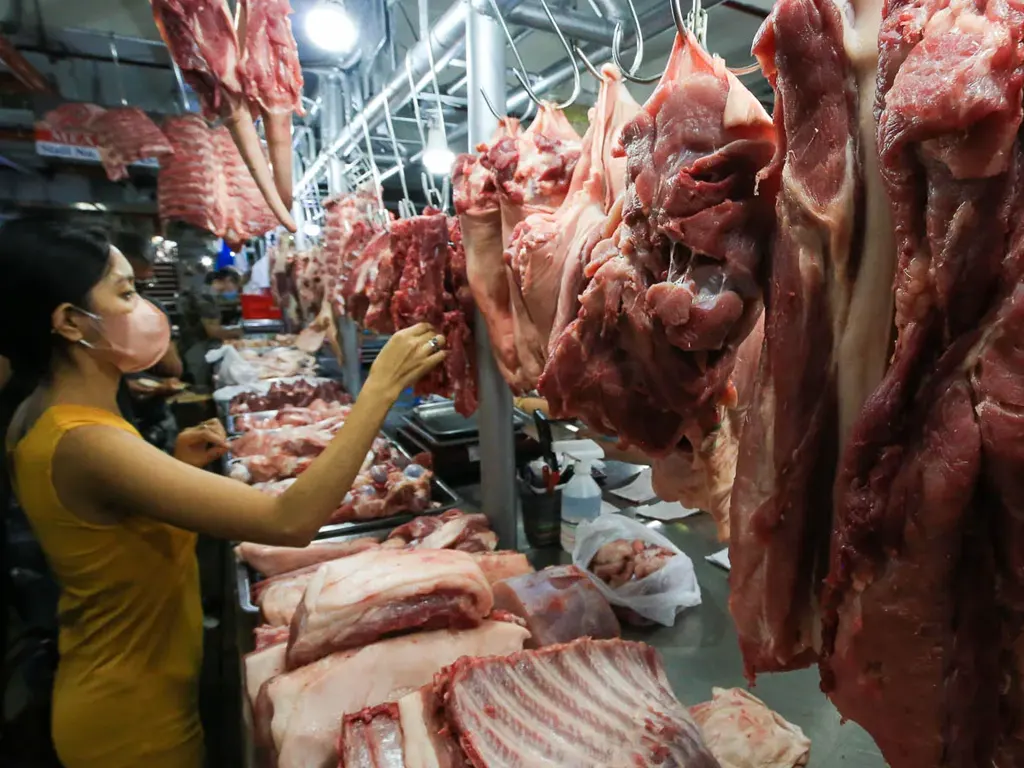
Food prices, which make up the largest portion of expenditure among low-income families, were the main driver behind the steep rise. National food inflation for the bottom 30% income group surged to 8.5 percent year-on-year in April 2026, a dramatic increase from the 3.7 percent posted in March.
This marks a stark reversal from the situation a year ago, when food costs actually went down by 1.6 percent in April 2025. The rapid shift highlights how quickly price movements can affect household budgets, especially for those who spend the majority of their earnings on daily necessities.
For families living on limited means, this upward trend means that a larger share of their income must now go toward buying essential items, leaving less money available for education, healthcare, and other basic needs.
Since low-income households typically allocate more than half of their total expenses to food, any increase in commodity prices hits them harder compared to higher-income groups. The sharp climb in inflation also suggests that recent economic developments, such as rising transport costs and supply chain pressures, are being felt most acutely by those with the least financial capacity to absorb additional expenses.
The latest figures underscore the urgent need for targeted interventions to ease the burden on vulnerable families and stabilize prices of basic goods.
Policymakers and relevant agencies are expected to review the data closely as they craft measures aimed at boosting food supply, improving market efficiency, and providing direct assistance to affected households. Continuous monitoring of inflation trends specific to low-income groups remains essential to ensure that economic policies are inclusive and responsive to the needs of the population most at risk.
metrosundaily