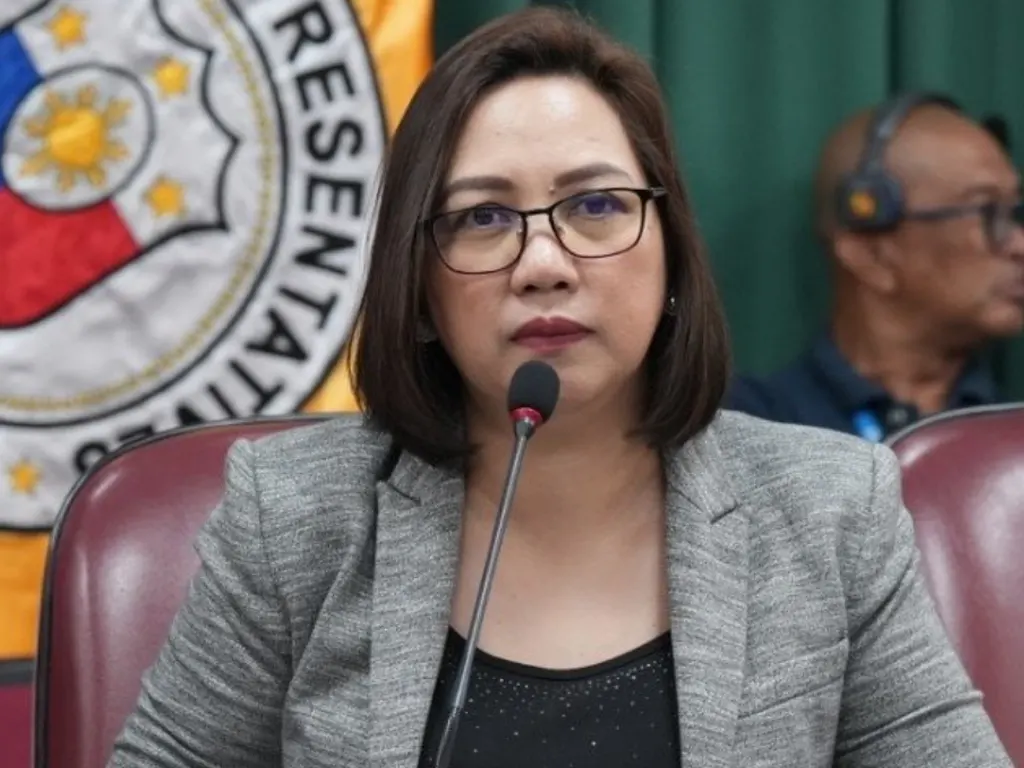
DEPUTY Speaker Janette Garin of Iloilo on Thursday welcomed indications that the Senate is preparing for the possible transmittal of the impeachment case against Vice President Sara Z. Duterte, expressing confidence that the constitutional process will proceed in an orderly and timely manner.
Her statement came after Senate President Vicente “Tito” Sotto III said the Senate may be able to convene as an impeachment court by May 4 upon receipt of the Articles of Impeachment, with a full trial possibly beginning about two weeks later.
“We appreciate Senate President Tito Sotto’s foresight and the seriousness with which he is approaching this process,” Garin said. “Preparations at this stage help ensure that our institutions are ready to carry out their respective roles under the Constitution.”
Garin said the House of Representatives is moving toward completing its work on the determination of probable cause, noting that the Committee on Justice is set to conclude its clarificatory hearings on April 29.
She said that once session resumes on May 4, the House is positioned to finalize the process, including the plenary vote required to transmit the Articles of Impeachment.
“The House is doing the work of building the record, carefully and within the rules,” Garin said. “We are confident that the next stage, should it be reached, will likewise be guided by the Constitution and by the shared responsibility to ensure that the process remains fair, transparent, and credible.”
Garin also echoed earlier statements from House leaders welcoming signs of Senate readiness, describing it as a reflection of institutional preparedness rather than anything else.
She emphasized that the purpose of an impeachment trial is not to prejudge, but to provide a proper forum where issues raised can be examined fully.
“The goal is not to prejudge any party, but to allow the process to unfold in the proper forum where facts can be tested and clarified,” she said.
Garin noted that the House hearings have already taken up matters involving confidential funds, financial disclosures, and other documentary submissions, which she said are best addressed within the framework provided by the Constitution.
“Kapag may mga tanong na inilatag sa proseso, mahalaga na magkaroon din ng pagkakataon na ito ay masagot sa tamang forum,” she said.
For Garin, what is at stake goes beyond any single official or institution.
“This process ultimately serves the public interest,” she said. “It is about upholding accountability while ensuring that fairness and due process are observed at every stage.”
She added: “We remain hopeful that, guided by the Constitution, our institutions will continue to act in a manner that strengthens public trust and allows the truth to come out.”
metrosundaily