
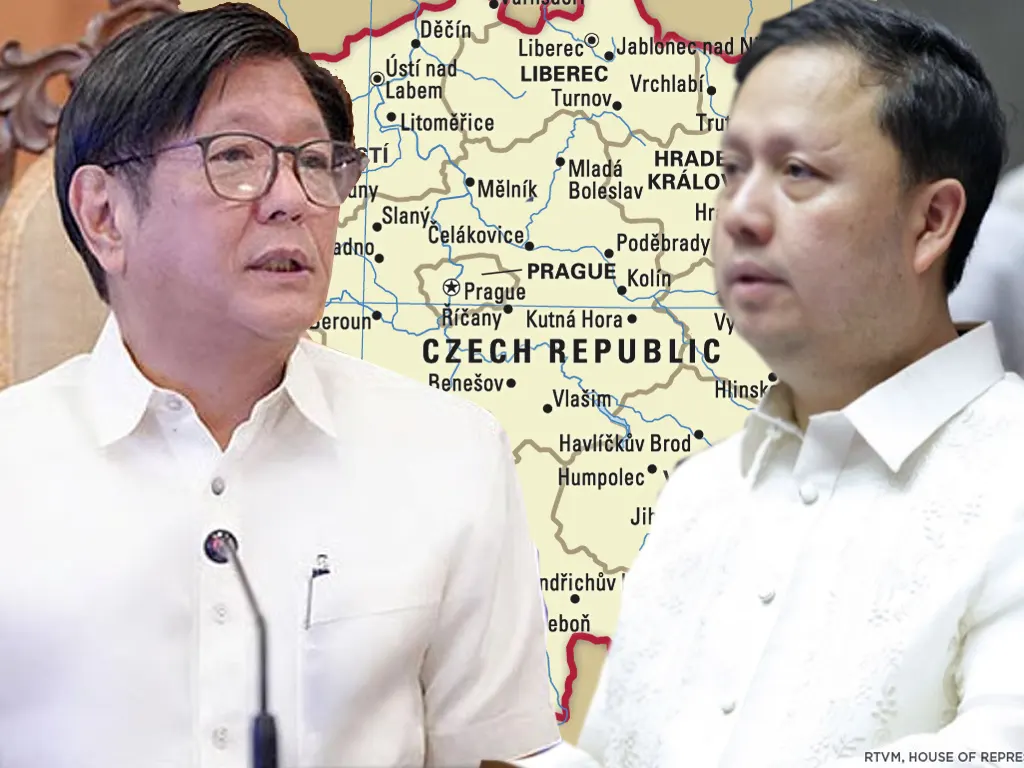
PRESIDENT Ferdinand “Bongbong” Marcos Jr. has pledged that former lawmaker Zaldy Co, currently in the custody of Czech Republic authorities, will be brought back to the Philippines in strict accordance with the law.
On Monday, President Marcos assured the public that Co will “answer to the Filipino people,” emphasizing the administration’s commitment to due process and legal procedures in his repatriation. This statement follows the announcement of Co’s arrest in Prague.
To facilitate Co’s return, President Marcos has issued directives to the Department of Justice (DOJ) and the Department of Foreign Affairs (DFA) to spearhead the coordination efforts with Czech authorities.
The President stated, “He remains under the custody of the Czech Republic and we are doing everything to bring him back to the Philippines.” He further elaborated that the DOJ and DFA are tasked with leading the engagement to ensure all necessary steps are taken smoothly and legally. A high-level coordination team will also be dispatched to oversee the repatriation process.
President Marcos acknowledged that international legal processes between countries require time and adherence to specific legal steps. “This kind of process needs to follow legal steps between the two countries. So, we need enough time to process this,” he explained, managing expectations regarding the timeline for Co’s return.
The commitment to a lawful process underscores the administration’s respect for international legal frameworks and ensures that Co’s eventual appearance in Philippine courts will be based on sound legal grounds.
Zaldy Co is among 16 individuals facing charges of graft and malversation related to a P289 million flood control project in Naujan, Oriental Mindoro.
The project was undertaken by Sunwest Corporation, a company reportedly owned by Co’s immediate family members. The President’s assurance of a lawful repatriation process signals the government’s intent to pursue justice and accountability for alleged corruption, while also demonstrating adherence to international legal standards.
metrosundaily