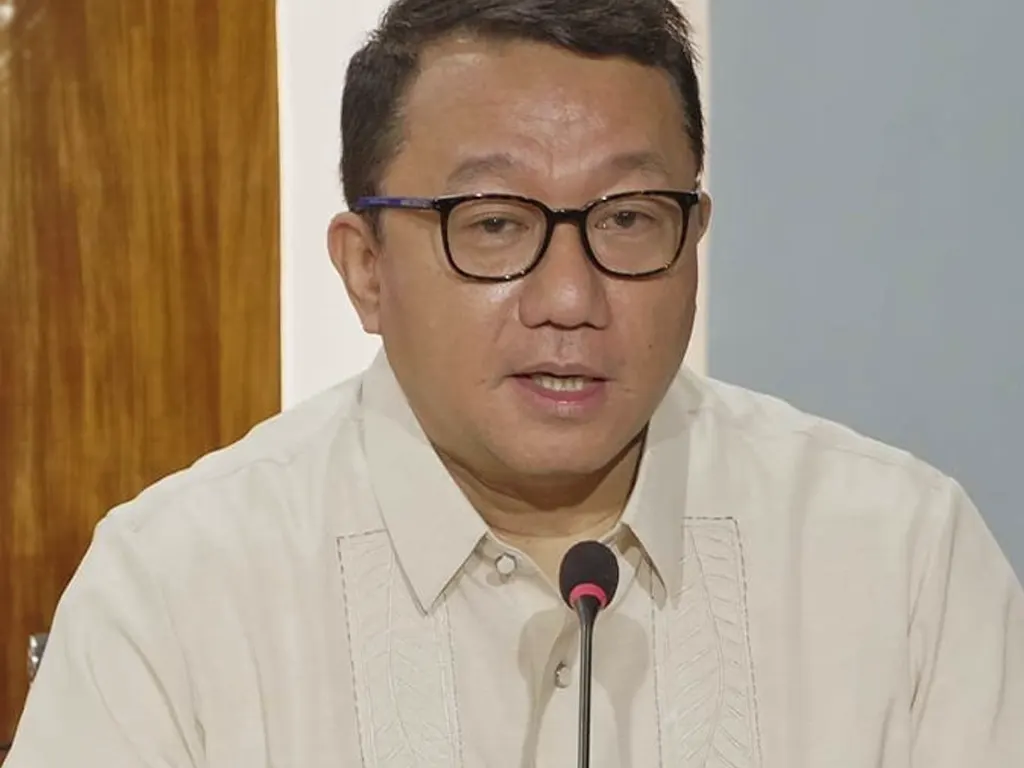
IF Manila Rep. Joel R. Chua has his way, the government will not be powerless in protecting Filipino consumers from oil price hikes, as he filed a bill that would return to the state the power to step in when fuel prices swing sharply in the world market.
House Bill (HB) No. 8839, or the proposed “Fuel Price Stabilization and Energy Security Act,” seeks to establish a Fuel Regulatory Board, create a new Oil Price Stabilization Fund, and build a Strategic Fuel Reserve as part of a broader effort to give the state a working set of tools during fuel emergencies.
“House Bill 8839 or the proposed ‘Fuel Price Stabilization and Energy Security Act’ effectively discards provisions of the Oil Deregulation Law of 1998 and returns to the government the power to intervene when fuel prices and supplies are abnormal,” Chua explained.
At the center of the measure is a policy shift that Chua said is already overdue: the government must once again have enough authority to temper sudden spikes in gasoline and diesel prices before these spill over into fares, food costs, and household expenses.
“This is the most comprehensive bill filed so far in the House on how to address fuel price volatility and supply disruption,” Chua said.
Chua said the problem with the present setup is that when oil prices surge abroad, Filipino consumers are made to absorb the blow almost immediately, often with little protection and even less predictability.
“Sa kasalukuyang kalakaran kasi, kapag sumirit ang presyo ng langis sa world market, diretso agad ang hagupit nito sa bulsa nating mga Pilipino. Halos walang magawa ang gobyerno. Sa panukalang ‘Fuel Price Stabilization and Energy Security Act’ magkakaroon na ng malinaw na mekanismo para maprotektahan ang Pinoy consumers,” Chua, a member of the House Committee on Economic Affairs, stressed.
The bill proposes a five-member Fuel Regulatory Board composed of a chairperson, two experts in energy economics, petroleum engineering, or energy policy, one consumer-sector representative, and one transport-sector representative.
Under the proposal, the board will be empowered to regulate fuel prices, impose temporary price bands or price ceilings, and investigate and curb anti-competitive practices in the industry.
“He said, ‘the Fuel Regulatory Board will have, among others, powers to regulate fuel prices, set temporary price bands or price ceilings, and investigate and prevent anti-competitive practices.’”
A second pillar of the measure is the Oil Price Stabilization Fund, which Chua said is designed to soften the immediate impact of global oil shocks on domestic pump prices without reviving the defects of the old Oil Price Stabilization Fund.
“The new Oil Price Stabilization Fund in House Bill 8839, unlike the old and defunct OPSF, is for fuel price stabilization. The bill specifically avoids and omits the words ‘reimbursement’ and ‘reimburse,’ which defined the old OPSF and guaranteed oil firms’ profits and buried the treasury in massive deficits. There are other ways to stabilize fuel prices, which are listed in Section 11,” Chua pointed out.
To illustrate how the mechanism would work, Chua said the fund may be tapped when projected fuel hikes cross a level that would otherwise sharply hit consumers and transport costs.
“Halimbawa lang: if world oil prices suddenly surge and gasoline or diesel prices are projected to rise by P5 per liter, the government can use the Oil Price Stabilization Fund to soften the blow, so motorists may only feel a smaller increase or no increase at all. The intervention is temporary and ends once prices normalize,” Chua illustrated.
He said the practical effect of that intervention would be felt not only by motorists but also across the wider economy where fuel prices quickly affect fares, goods, and livelihoods.
“Kapag kontrolado ang biglaang taas ng gasolina at diesel, mas magiging stable ang pamasahe, mas predictable ang presyo ng mga bilihin, at mas protektado ang kabuhayan ng mga Pilipino. Iyan ang layunin ng House Bill 8839,” he added.
The bill also proposes the creation of a Strategic Fuel Reserve that the government may build up when global oil prices are relatively low so that stockpiled fuel can later be released when prices surge or supply is disrupted.
Chua said this reserve would serve as an emergency buffer during severe volatility, allowing the country to dampen panic-driven increases and secure enough fuel supply in times of crisis.
“Tuwiing mura ang presyo ng langis sa world market, bibili ang gobyerno natin ng emergency oil stockpile na ilalagay sa ating mga oil depot (imbakan ng langis). Maaaring i-release sa publiko ang nasabing stockpile sa panahon ng krisis upang matiyak ang sapat na supply at maiwasan ang panic-driven price increases. Ganyan ang diskarte sa pagkakaroon ng Strategic Fuel Reserve,” Chua explained.
Under the proposal, the authority to release reserves will rest with the President upon the recommendation of the Fuel Regulatory Board, while the Commission on Audit will be empowered to audit transactions involving the stabilization fund and the petroleum reserve.
“The authority to release the reserves is vested in the President, upon FRB recommendation. The Commission on Audit is empowered to audit OPSF and petroleum reserve transactions,” Chua said.
Chua said the broader point of the bill is that the country should not remain hostage to external markets without a working emergency cushion and a government capable of acting decisively when volatility hits.
“Hindi tayo dapat laging nakadepende sa galaw ng pandaigdigang merkado. Kailangan may emergency oil reserve at bansa para hindi tayo natataranta tuwing may global crisis,” Chua said.
He added that House Bill 8839 marks a clear break from the decades-old oil deregulation law by moving away from full deregulation and toward a policy built around consumer protection, economic stability, and energy security.
“House Bill 8839 is a departure from the decades-old oil deregulation law. It abandons the full deregulation policy. Instead, House Bill 8839 is grounded on consumer protection, economic stability, and energy security,” Chua underscored.
metrosundaily