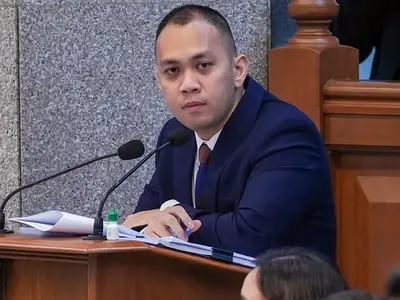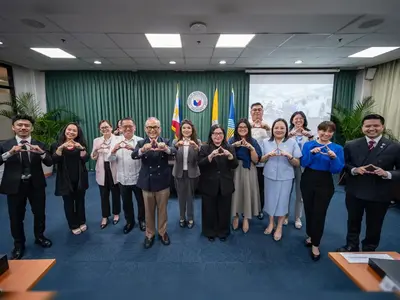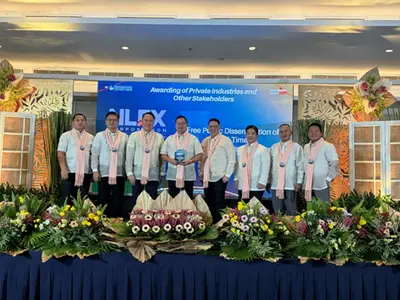

BATANGAS Representative Leandro Legarda Leviste has purchased the house in Wilhelmsfeld, Germany, where national hero Jose Rizal penned the final chapters of his seminal novel, “Noli Me Tangere.”

The acquisition aims to preserve this significant historical site and promote Philippine history. Rizal resided in Wilhelmsfeld in 1886 while studying ophthalmology at the University of Heidelberg, staying as a guest of his friend, Pastor Karl Ullmer. It was also in this house that Rizal wrote the poem “A las flores de Heidelberg,” a poignant reflection on his homeland during his studies in Germany.
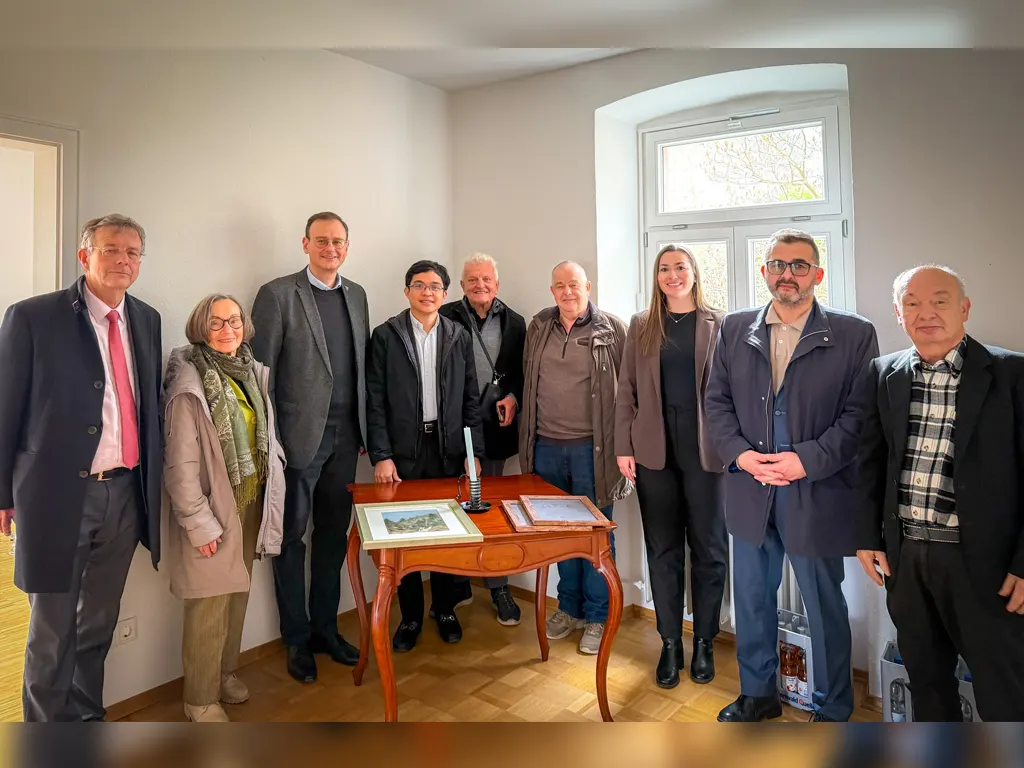
A formal signing ceremony took place recently, attended by Rep. Leviste, Dr. Franz Hack Ullmer (Pastor Ullmer’s great-grandson), representatives of the Protestant church that owned the house, Dr. Tobias Dangel (Mayor of Wilhelmsfeld), and Mr. Herbert Ehses (German chapter commander of the Knights of Rizal). The event marked the official transfer of ownership, signifying a shared commitment to preserving Rizal’s legacy.
During the ceremony, Dr. Ullmer presented Leviste with a table similar to the one Rizal used while writing “Noli Me Tangere,” along with other artifacts from the Ullmer family’s Rizal collection.
Mayor Dangel and Dr. Ullmer also guided Leviste through various sites in Wilhelmsfeld dedicated to Rizal, including a statue in Rizal Park and the street named Jose Rizal Strasse. The highlight was the Knights of Rizal’s presence in Germany, demonstrating the global appreciation for Philippine history.
The house, which served as a residence for local pastors since 1886, has been vacant since the COVID-19 pandemic. It was brought to the attention of Cong. Leviste’s mother, Senator Loren Legarda, stepped in when no other buyer emerged to ensure its preservation.
Senator Legarda then proposed that Leviste purchase the property, using no government funds, with the intention of transforming it into a museum. This museum will be accessible to both Filipino and foreign visitors, offering insights into Rizal’s life and works. The ultimate goal of this initiative is to safeguard a historic site that was instrumental in the birth of ideas that fueled the Philippine Revolution and shaped the nation.
metrosundaily