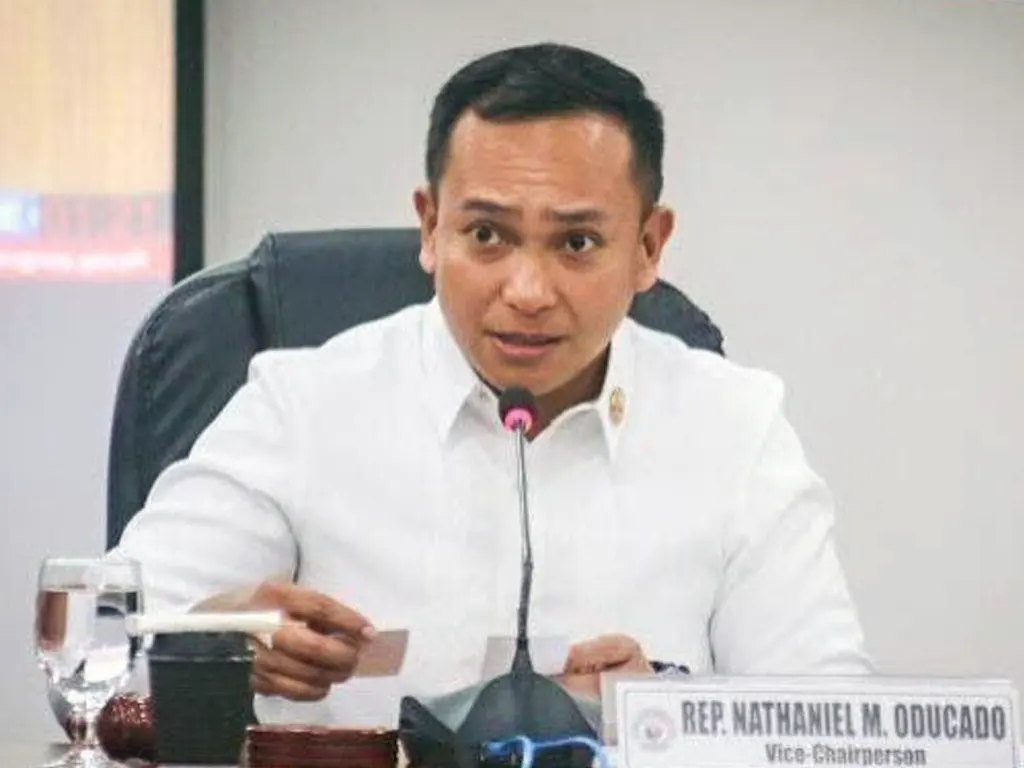
A LAWMAKER today stressed that the EDSA People Power Revolution belongs to the Filipino people and not to any single political group, family, or ideology.
Ahead of the 40th anniversary of the historic EDSA Revolution, neophyte Congressman 1Tahanan Representative Nathan Oducado said that “no one group owns EDSA” as it stands as a living symbol of “the nation’s collective stand against abuses of power, corruption, and violence inflicted upon the people.”
“EDSA is not the property of any political camp. It was built on the courage and sacrifice of ordinary Filipinos who refused to bow to tyranny,” Oducado said. “We defeat the purpose of remembering it as a nation when we exclude or antagonize our fellow ordinary Filipinos from our remembrance.”
He emphasized that the spirit of EDSA is rooted in unity across political lines, social classes, and religious beliefs in defense of democracy and human rights.
“EDSA reminds us that when power is abused, when corruption robs the nation’s future, and when violence is used to silence the people, Filipinos will rise together,” he added. “But we still have a lot to do to fully take advantage of what we won back forty years ago.”
Oducado was among Representatives who spearheaded public consultations on the Anti-Political Dynasty Bill, and has been pushing against the influence of contractors and franchise holders in lawmaking, especially within the partylist system.
“The Constitutional ban on political dynasties and the establishment of partylist representation were direct fruits of EDSA,” Oducado stressed. “We owe it to those who stood up for these democratic reforms in the past to truly realize them in the present.”
The lawmaker noted that the revolution demonstrated the strength of peaceful civic action in confronting systemic corruption, as well as state-sponsored violence.
“History reminds us that EDSA was never about personalities but about principles. It is about accountability, justice, and restoring the rule of law,” he said.
Oducado called on the public, especially the youth, to view EDSA as a continuing responsibility rather than a finished chapter in history.
“EDSA lives on wherever Filipinos demand accountability, reject violence against the people, and insist that public office is a public trust,” he concluded.
metrosundaily