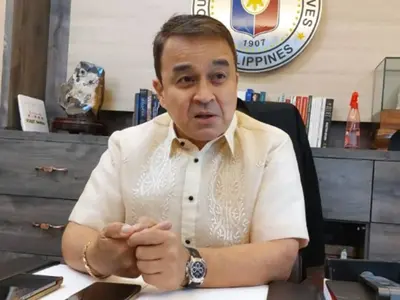
ELECTED and government officials who are under investigation and facing criminal charges have a moral obligation to step down from their posts as a matter of delicadeza and accountability, said Las Piñas Rep. Mark Anthony Santos on Monday.
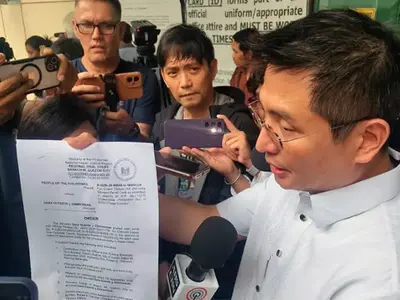
Santos made the statement following the filing of a criminal complaint by the Securities and Exchange Commission (SEC) against Villar Land Holdings Corp., including former senators Manuel B. Villar Jr. and Cynthia Villar, as well as incumbent senators Mark and Camille Villar, for alleged market manipulation, insider trading, and misleading public disclosures.
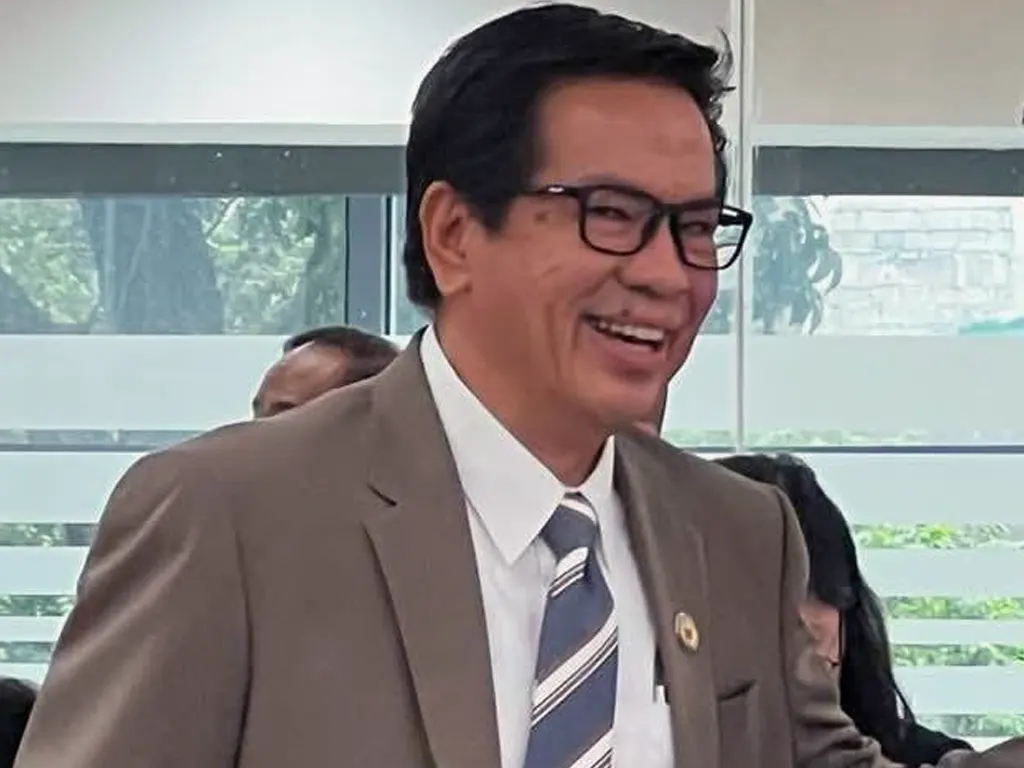
Other respondents named in the case include Villar Land director Manuel Paolo Villar, Cynthia J. Javarez, independent directors Ana Marie V. Pagsibigan and Garth F. Castañeda, and the companies Infra Holdings and MGS Construction, along with their officers and authorized signatories Josephine Bartolome, Jerry M. Navarrete, and Joy J. Fernandez.
The charges, filed with the Department of Justice on Friday, January 30, 2026, mark a significant regulatory escalation involving one of the Philippines’ largest conglomerates, raising critical questions about corporate governance and investor protection in the country’s capital markets.
This is the first time in Philippine history that all members of a single family have been criminally charged together for alleged market manipulation, insider trading, and misleading investors through inflated financial disclosures, Santos said.
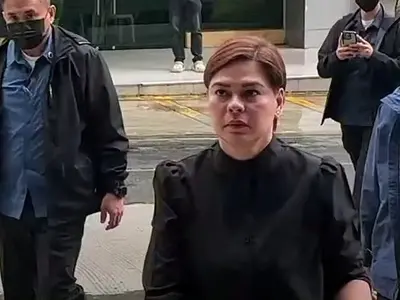
Santos added that since members of the Villar family are included in the charge sheet, siblings Mark and Camille Villar should either resign or take a leave of absence from the Senate out of delicadeza, to prevent further embarrassment to the institution and help restore public trust and confidence.
“As a matter of delicadeza and in the interest of preserving public trust, elected and government officials who are under investigation and facing criminal charges should consider stepping down from their posts,” Santos, who serves as assistant majority floor leader, said.
Beyond misleading disclosures, the SEC’s complaint also covers allegations of price manipulation and insider trading.
Camille Villar, in particular, is accused of insider trading after allegedly purchasing 73,600 shares of Villar Land in December 2017, shortly before a corporate disclosure that reportedly led to a surge in the company’s share price.
The SEC noted that the timing raises concerns that the transaction may have been made using information not yet available to the public.
Under the Securities Regulation Code, any person found guilty of insider trading and related violations may face administrative sanctions and civil liability amounting to as much as triple the value of the transaction, in addition to actual damages, exemplary damages, and attorney’s fees.
During a Senate Blue Ribbon Committee, former DPWH Undersecretary Roberto Bernardo implicated Mark Villar of allegedly receiving commissions from approved DPWH projects were allegedly divided among officials.
Bernardo claimed that 50 percent went to Carlo Aguilar, “presumably for” then–Secretary Mark Villar, while the remaining 50 percent was split between late Undersecretary Maria Cabral and himself.
Bernardo, reading from his affidavit, described what he said were long-standing internal arrangements involving project approvals, allocations, and budget insertions.
In November last year, Ombudsman Jesus Crispin Remulla disclosed that the task force investigating alleged irregularities involving the Villar family had already carried out extensive inspections from Las Piñas to Cavite.
Initial findings, Remulla said, pointed to what investigators described as “the most massive” corruption they had ever encountered. When asked how likely charges may be filed, Remulla said potential cases could include conflict of interest and civil forfeiture.
Santos also stressed that under the 1987 Constitution, members of the Senate may be subject to criminal proceedings. The Office of the Ombudsman is empowered to investigate and prosecute acts or omissions of public officials that appear illegal, unjust, improper, or inefficient, including those of members of Congress.
The Department of Justice, through its prosecution arm, may likewise file criminal cases in regular courts to determine guilt or innocence and impose the appropriate penalties under the law.
“In a democratic society, no one is above the law. Adherence to the law and the willingness to be held accountable are the foundations of a clean and trustworthy government.”
metrosundaily