WITH increasing complaints against delivery apps over issues of delay, poor customer service and other problems that include missing or incorrect products, cause-oriented group Filipino Consumers for Reform (Filcore) is urging the government to implement stronger policies to regulate delivery apps and further protect the public from fraud or poor service.
During the past holiday season, Filcore noted a rising number of complaints often centering on late or missing orders, incorrect items, unresolved concerns and unhelpful agents, wrong branding of products and hidden fees or billing issues.
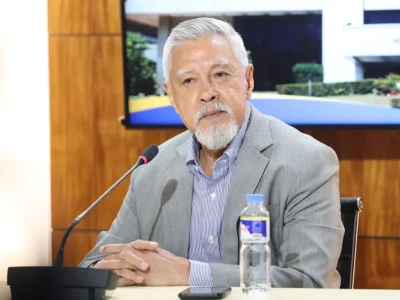
According to Filcore spokesperson Tracy Cabrera, the public’s frustrations stemmed from app promises which often fall short of reality, impacting both users and drivers who face low pay after expenses, leading to calls for better resolution channels that include local offices of the government, particularly the Department of Trade and Industry (DTI).
In recent times and as a knee-jerk reaction to resolve these problems, the DTI has tried to appease the complaints through an ODR system which comprises of an online platform that, apart from allowing for electronically filing a consumer complaint, enables the parties to resolve their dispute without the need for physical presence during the proceedings.
The system also complements traditional offline dispute resolution mechanisms, such as small claims courts and alternative dispute resolution (ADR) schemes, and plays a critical role in increasing consumer empowerment and access to redress in the country’s continuing evolution in digital economy.
Cabrera, however, cited that in the concern over delays in delivery, most consumers have exercised some understanding as delivery or fulfillment is often postponed beyond the original estimated time due to various issues like weather, supply chain problems, logistics, high demand, or incorrect information, but it’s still on its way, not lost.
“Common reasons include carrier capacity, customs, holidays, labor shortages or unexpected global events, with ‘delayed in transit’ meaning it’s moving, just slower. There is also logistical and supply chain issues, among them port congestion, carrier capacity, warehousing bottlenecks, and last-mile challenges aside from weather and natural disasters: Severe conditions can halt air, sea, and ground transport,” he pointed out.
He likewise highlighted untenable situations that focus on factors of high demand during peak seasons or sales events that overwhelm shipping networks even as incorrect Information like typo errors in addresses or phone numbers, customs and regulatory Issues and labor shortages such as insufficient staff to pick, pack or deliver orders must all be looked into and addressed.
In ending, the Filcore executive underscored the important role of government, especially the DTI and also the Bureau of Customs and other related agencies, in formulating policies and measure that would ensure consumers are protected.
metrosundaily