THE House of Representatives’ commitment to a transparent, accountable, and publicly accessible budget process reaches a turning point as Bicameral Conference Committee (bicam) deliberations on the 2026 national budget are opened and live-streamed.
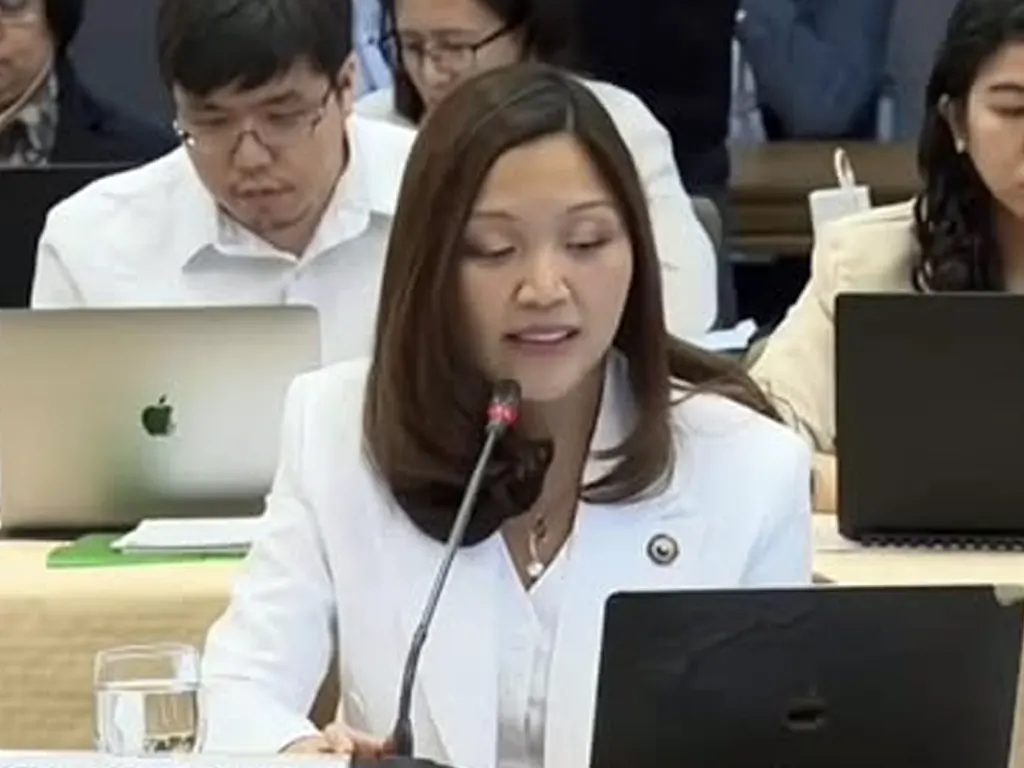
House Appropriations Chairperson Rep. Mikaela Angela Suansing emphasized the commitment of Congress to ensuring a fully transparent budget process at the start of the bicam on Saturday.
“To our countrymen, your Congress has removed the veil from the budget process,” she stated. “Your Congress has done everything to ensure that the budget is transparent, clean, and has sufficient safeguards to ensure that it cannot be abused.”
“Your Congress promises that the budget for 2026 will be felt by every Filipino, that it truly responds to the needs of our countrymen and our country—that it is a budget that you can trust,” she added.
Suansing highlighted that opening the bicam proceedings to the public reflects the House’s broader effort to institutionalize transparency, accountability, and public participation throughout the budget cycle. She emphasized that the public bicam is not an isolated reform but the result of changes implemented even before formal deliberations on the 2026 budget began.
“This historic day—the very first day in history that the bicam is opened to the public—reflects the Congress’s commitment to remove the veil from the budget process and truly show where every peso of tax money from the blood and sweat of every Filipino goes,” Suansing said.
She pointed out that “this is the actualization of the House’s commitment since August, even before the budget deliberations started, to open and live-stream the Bicameral Conference Committee proceedings.”
“We are here not only to reconcile disagreeing provisions of the 2026 budget but to continue structural reforms that place transparency at the center of how public funds are allocated.”
House Reforms Prior to Bicam
Before the bicameral stage, the House of Representatives implemented several safeguards to strengthen oversight and public scrutiny of the budget. These included abolishing the “small committee” and creating the first-ever Budget Amendments Review Sub-Committee (BARSc), which conducted over 20 hours of deliberations on institutional amendments. These BARSc sessions were live-streamed, with approved amendments presented line by line to allow the public to track changes to the proposed spending measure.
All committee hearings and plenary deliberations on the House version of the budget were also broadcast live. The House expanded engagement with civil society organizations and conducted the country’s first People’s Budget Review. For the first time in recent history, the period of amendments was opened to all House members, with all approved changes incorporated before the bill was passed on second reading.
Suansing said these reforms were designed to ensure that the 2026 national budget is protected by clear safeguards and can withstand public and institutional scrutiny at every stage of the process. As bicameral deliberations continue, she said the House panel looks forward to working with the Senate in crafting a final version of the 2026 budget “that is truly responsive to the needs of the Filipino people and our country.”
metrosundaily