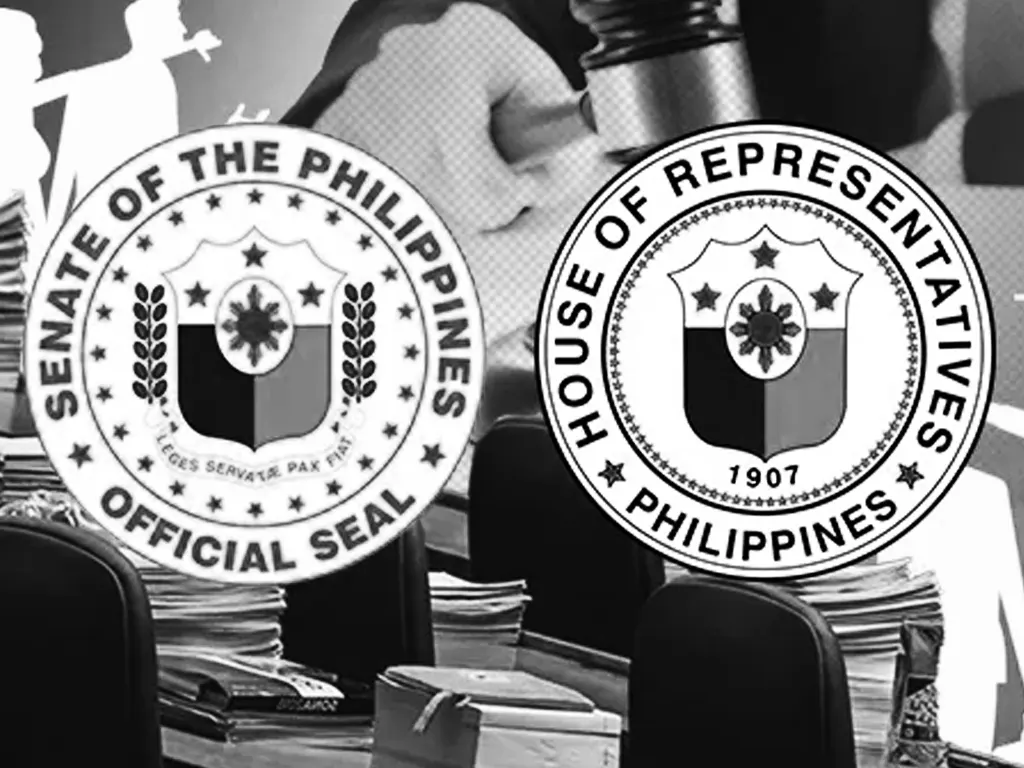
FOR the first time, the public will be able to watch as the House of Representatives and the Senate work to harmonize their versions of the proposed P6.793-trillion national budget for 2026. The Bicameral Conference Committee deliberations begin today, December 13, and will be live-streamed.
The decision to live stream the Bicam deliberations on the proposed national budget comes after congressional inquiries revealed that funds inserted or introduced by lawmakers at the Bicam level funded questionable items, including alleged anomalous flood control projects. The move is also a response to concerns raised by various sectors regarding the legality of the 2025 national budget, particularly the unprecedented amount of unprogrammed funds.
The proceedings can be viewed on the YouTube channels of the Senate and the House of Representatives.
House appropriations panel chairperson Mikaela Suansing stated that Congress moved the Bicam deliberations from December 12 to 13 “to allow time for the technical staff to prepare,” given the novelty of live streaming the proceedings.
The Senate passed the 2026 General Appropriations Bill, or House Bill 4058, on final reading on Tuesday, December 9, while the House of Representatives approved the proposed budget on final reading on October 13. The signing of the 2026 General Appropriations Act by President Ferdinand “Bongbong” Marcos Jr. is targeted for December 29.
“Intensive preparations are required given that this is the first time that the Bicam will be live streamed and we would need a matrix of disagreeing provisions for the deliberations,” Suansing said.
However, it remains to be seen whether live streaming the Bicam will become a permanent policy, as it has yet to be formally enshrined in the House and Senate rules.
Transparency ‘Not Optional’
The Bantay Budget Network, led by former Gabriela party-list representative Liza Maza, emphasized that making Bicam deliberations open to public scrutiny, including live streaming, mandatory is essential to ensure responsible spending of public funds.
“For a budget that will determine the lives, rights, and welfare of over 110 million Filipinos, transparency is not optional—it is a democratic obligation,” the group stated. “The Filipino people have the right to know where every peso will be allocated, who will benefit, and what priorities are being pushed in the shadows of the budget process.”
The group also demanded full disclosure of all “allocables” and line-by-line amendments, all unprogrammed appropriations, all agency-level realignments and last-minute insertions, and all reports, tables, and harmonized figures to be used by the bicameral panel.
metrosundaily