THE Hague, Netherlands — Vice President Sara Duterte has attributed the controversial names listed as recipients of confidential funds in her office and during her tenure as Education Secretary to the use of aliases in intelligence operations.
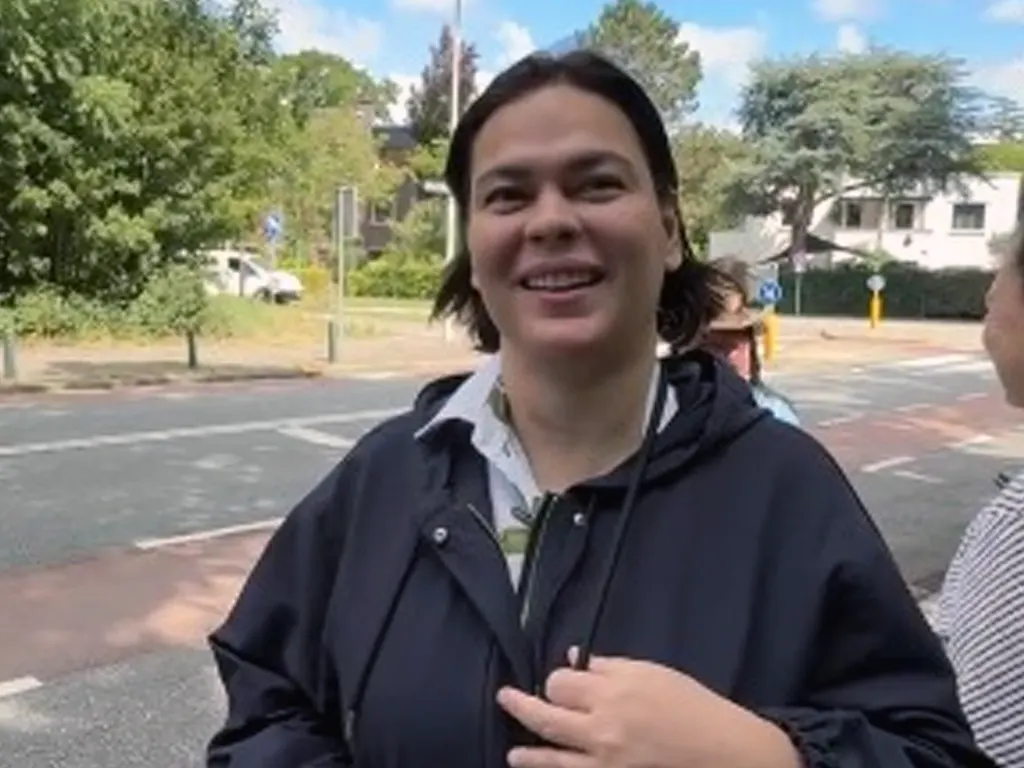
During a brief interview in The Hague, Netherlands, Duterte responded to questions regarding the impeachment trial against her, specifically addressing allegations surrounding fictitious names in the budget for confidential funds.
She stated that she intends to fully address these allegations during the trial itself, leaving the task of evidence gathering and counter-arguments to her legal team.
Duterte emphasized that the listed names are, in fact, aliases used in accordance with standard intelligence practices.
She stated, “I think it is wrong for everyone to pick up as truth or as a fact all the pronouncements of the members of the House of Representatives, particularly with the fictitious names, because there are rules in intelligence operations… aliases are often used in intelligence operations.”
While pressed for further clarification, Duterte declined to elaborate on the specifics of these operations, stating that such details would be discussed during the trial. She noted that her legal team includes two intelligence experts who will serve as resource persons during the proceedings.
Duterte reiterated her intention to address the public directly if the impeachment trial does not proceed.
She stated, “So, let us wait for the trial and as I said yesterday, if there is no trial, then I will answer it publicly. I just want to wait what will happen to the articles of impeachment.”
The controversy surrounding the confidential funds, particularly names like “Mary Grace Piattos, Chippy McDonald, Marian Rivera, and Chel Diokno” listed in the Department of Education’s records, has raised significant public concern regarding the transparency and proper utilization of public funds in both the Department of Education and the Office of the Vice President.
The Philippine Statistics Authority previously reported that a significant number of recipients listed for confidential funds in both entities lacked verifiable birth records.
metrosundaily