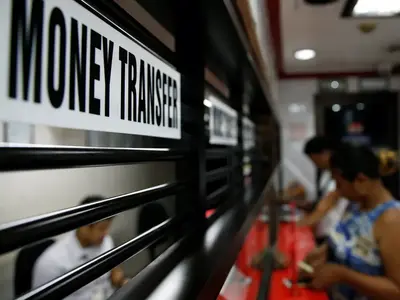

THE Philippines has officially exited the Financial Action Task Force’s (FATF) “grey list,” marking a significant victory in its fight against money laundering and terrorist financing.
The announcement, made [Insert Date] by the Paris-based intergovernmental organization, signifies a restoration of international confidence in the country’s financial system.
The removal comes after years of concerted efforts by the Philippine government to strengthen its anti-money laundering (AML) and counter-terrorist financing (CTF) frameworks, including legislative reforms and enhanced enforcement mechanisms. This achievement is expected to boost foreign investments and improve the Philippines’ overall economic standing.
The FATF grey list, which includes jurisdictions under increased monitoring, had placed a considerable strain on the Philippine economy.
International transactions faced increased scrutiny, potentially deterring foreign investments and impacting the country’s credit rating. The inclusion on the list also carried reputational risks, potentially damaging the Philippines’ image as a reliable and secure investment destination.
The government’s successful implementation of the necessary reforms to meet the FATF’s standards has now mitigated these risks and paved the way for a more positive outlook.
The successful removal from the grey list is a testament to the collaborative efforts of various government agencies, including the Anti-Money Laundering Council (AMLC), the Bangko Sentral ng Pilipinas (BSP), and other relevant bodies. These agencies worked tirelessly to implement the necessary reforms, demonstrating a strong commitment to combating financial crime. This achievement highlights the importance of international cooperation in tackling transnational financial crimes and underscores the effectiveness of proactive measures in strengthening national financial systems.
Looking ahead, the Philippines must maintain its commitment to upholding the highest AML/CTF standards. Continuous monitoring and further improvements to its regulatory framework will be crucial in ensuring sustained compliance and preventing a potential return to the grey list. The government’s success in this endeavor serves as a model for other countries striving to strengthen their financial systems and enhance their international reputation. This positive development is expected to unlock significant economic opportunities and solidify the Philippines’ position in the global community.
metrosundaily