A MUSLIM administration lawmaker has condemned the alleged corruption that reached news reports about the questionable use of funds from the Office of the Chief Minister of the Bangsamoro Autonomous Region in Muslim Mindanao involving around P100 million.
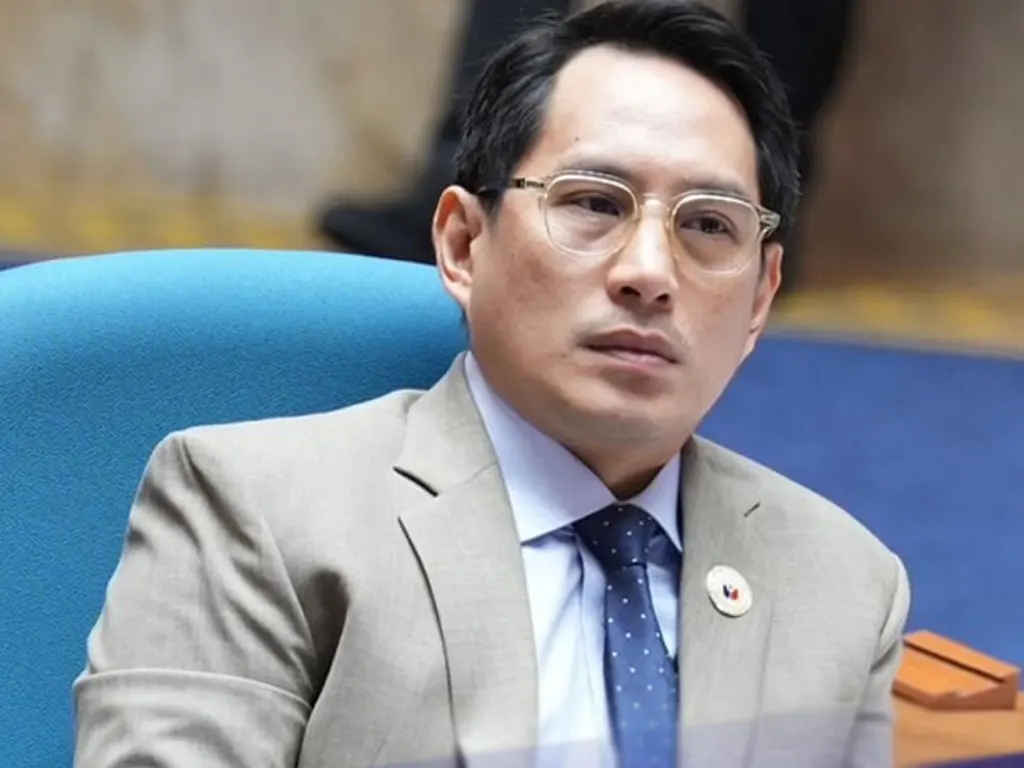
In a privilege speech delivered Tuesday evening during plenary sessions at the House of Representatives, Rep. Ziaur -Rahman “Zia” Alonto Adiong cited reports where Land Bank of the Philippines accounts of 400 barangay officials in Lanao del Sur contained huge sums of money.
“More than 400 barangay officials of Lanao del Sur woke up with their LBP accounts containing money, ranging from P500,000 to as much as P2.5 million. Later, officers from BARMM OCM told them to withdraw a big chunk of the money and just leave P200,000 behind,” he exposed.
As per BARMM leadership’s instructions, Adiong – who represents the first district of Lanao del Sur – disclosed that the money has been earmarked for what they dubbed as “special operations” which officials themselves could not adequately explain.
“This is a grave and urgent matter that threatens the core principles of good governance, accountability, and the sacred trust placed in us by the people of the BARMM,” the Assistant Majority Leader stressed.
Adiong suspects the funds could have been sourced from the local government support fund where a total of P6.3 billion has been allocated to BARMM under the Bangsamoro Autonomy Act 56, or the General Appropriations Act of the Bangsamoro.
The Muslim legislator, one of the leaders of the “Young Guns” group in the chamber, argued that the Bangsamoro Budget Circular 10 (Series of 2024), along with the DBM Local Budget Circular 155 (Series of 2024), “provide specific guidelines for the release and utilization of the LGSF.”
“This portion of both circulars was clearly not followed according to civil society watchdogs,” Adiong noted, adding the “circular (Bangsamoro) emphasizes the requirement for a Special Budget Request from Local Chief Executives before any funds are disbursed.”
And as far as Adiong is concerned, the DBM circular regarding handling of such funds “includes both general and specific guidelines while the BARMM circular lacks specific guidelines for the release and utilization of LGSF.”
“The BARMM version of the budget circular also pales in comparison to its national counterpart especially when it comes to transparency, just and equitable distribution, and reportorial requirements,” he compared.
“The allocation of such funds without formal requests or detailed implementation plans violates key provisions of the General Appropriations Act (GAA) and the Government Procurement Reform Act, which require strict adherence to budgeting and procurement processes,” Adiong declared.
“I call upon the leadership of BARMM, local government officials, and all stakeholders to work collaboratively in addressing these issues,” he said.
“Together, let us institute reforms that will safeguard public funds, strengthen accountability, and restore the confidence of our people in the government’s ability to serve their needs effectively and fairly,” Adiong proposed.
metrosundaily