THE Senate and House of Representatives have reached a consensus on amendments to the Motorcycle Crime Prevention Act (RA 11235), commonly known as the “Doble Plaka” Law.
The bicameral conference committee, tasked with resolving disagreements between the Senate and House versions of the amending bills (Senate Bill No. 2555 and House Bill No. 11113), successfully finalized a unified report on Tuesday, January 14, 2025.
Senate panel chair Senator Francis “Tol” Tolentino announced the agreement, stating that the bicameral conference committee had successfully addressed concerns raised regarding the existing law. The approved report now awaits plenary approval in both chambers before being transmitted to Malacañang for the President’s signature.
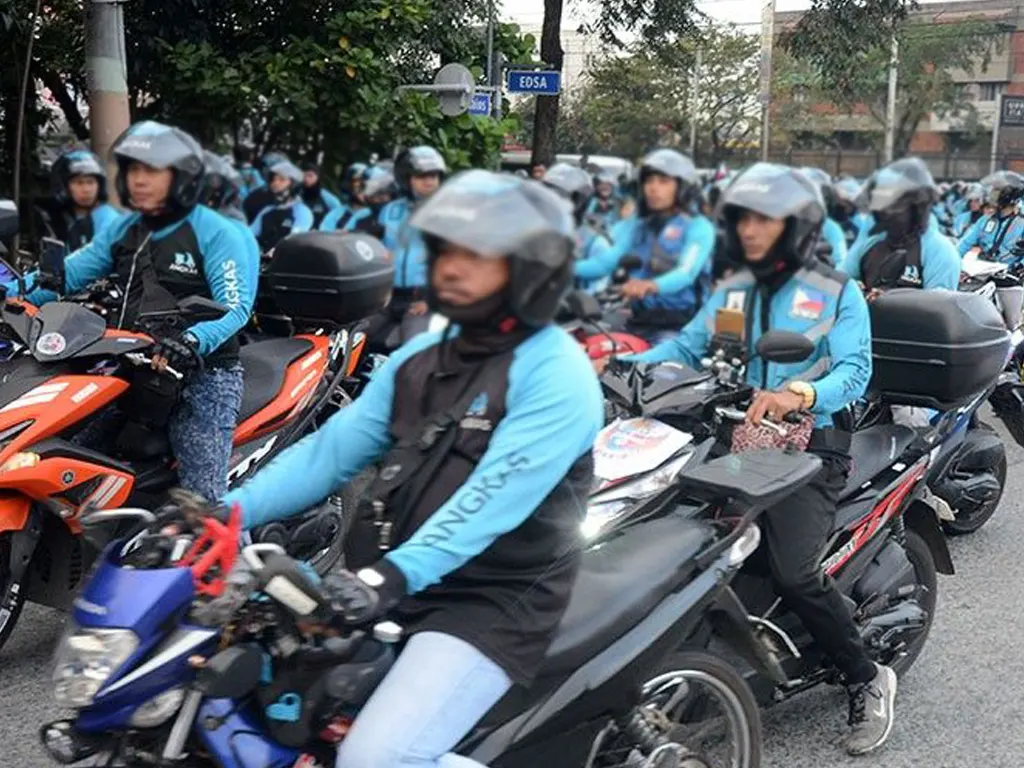
The “Doble Plaka” Law, enacted in 2019, mandated the use of two license plates on motorcycles to aid in crime prevention and identification. However, its implementation has faced various challenges and criticisms, prompting the need for amendments.
The approved bicameral report addresses these concerns by incorporating provisions aimed at improving the law’s effectiveness and addressing loopholes. Specific details of the amendments remain undisclosed pending the official release of the report’s contents, but it is understood that the revisions aim to strike a balance between enhancing crime prevention measures and minimizing the burden on motorcycle owners.
The successful conclusion of the bicameral conference signifies a significant step towards refining the “Doble Plaka” Law. The amendments are expected to clarify ambiguities, improve enforcement, and address concerns regarding its impact on motorcycle riders.
The swift resolution of the disagreements between the Senate and House versions highlights the collaborative spirit between the two chambers. The unified approach underscores the commitment of both houses to improving the law’s efficacy while ensuring fairness and practicality for all stakeholders.
The approval of the bicameral report marks a crucial stage in the legislative process.
The subsequent plenary sessions in both the Senate and the House will be pivotal in determining the final form of the amended law, paving the way for its eventual implementation.
Once enacted, the revised law is expected to significantly impact motorcycle ownership and regulation in the Philippines. Lawmakers are optimistic that the amendments will enhance the effectiveness of the law while mitigating previous concerns and challenges.
metrosundaily