
THE Senate version is completely fine with me. I recommended to Chairman Valmayor and the House leadership that we concur with the Senate version. It’s a good version – and we interpose no further objections, thus said Rep. Joey Sarte Salceda.
“At the very start of the legislative discussions on the measure, we already consulted with the Office of the President on its possible disagreements with the proposal. The Office of the Executive Secretary sent an extensive 44-page list of preliminary comments. At the instruction of the leadership, we cured the issues of President Marcos’s earlier veto of the original proposal. Of course, it’s all up to PBBM, but this time around, I don’t think there will be a veto,” Salceda said.
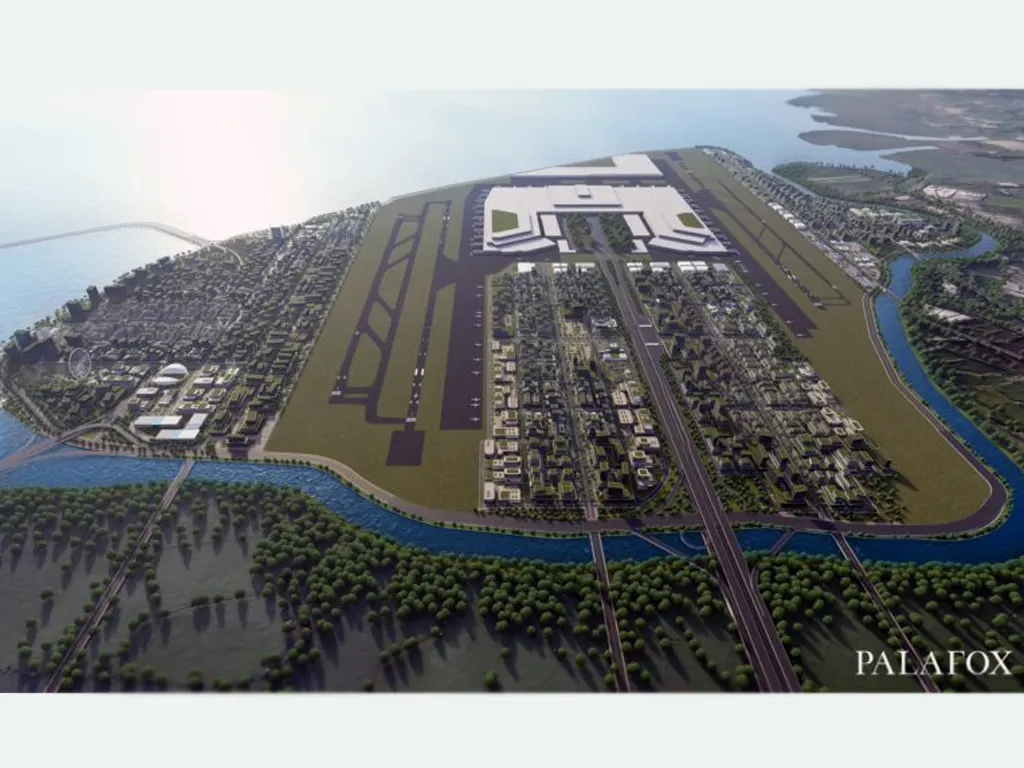
The solon said that the Bulacan Ecozone, once created, will provide the necessary impetus for planned industrial and commercial development around the Bulacan Airport. It follows the highly-successful model of the Incheon Free Economic Zone (IFEZ), to which, Salceda is an official adviser. IFEZ surrounds the Incheon Airport, one of Asia’s best.
“It will also be the largest ecozone in the country, surrounding the largest single investment ever made, the Bulacan Airport. It will also finally link Clark and Metro Manila into one large megalopolis – with all its benefits to labor efficiency, transport, value-chain linkages, among others,” he said.
Salceda added that it also cures the defects of NAIA. “We did not plan the area around NAIA. As a result, it has become a bottleneck for traffic, and exclusive subdivisions, rather than an ecosystem of logistics and industrial establishments, surround the area. The costs of such haphazard planning are immense. Foregone floor space as a result of having NAIA smack in the middle of a highly dense metropolis is at least 301.4 million square meters. That is because of the CAAP-set building height,” he added.
Salceda said that the sooner they could send it to the President for his signature, the better.
“So, I have recommended to the Committee on Economic Affairs and the House leadership that we no longer pursue bicameral discussions. In all likelihood, the House will adopt the Senate version,” the solon concluded.
metrosundaily