
Photo courtesy: TeacherPH
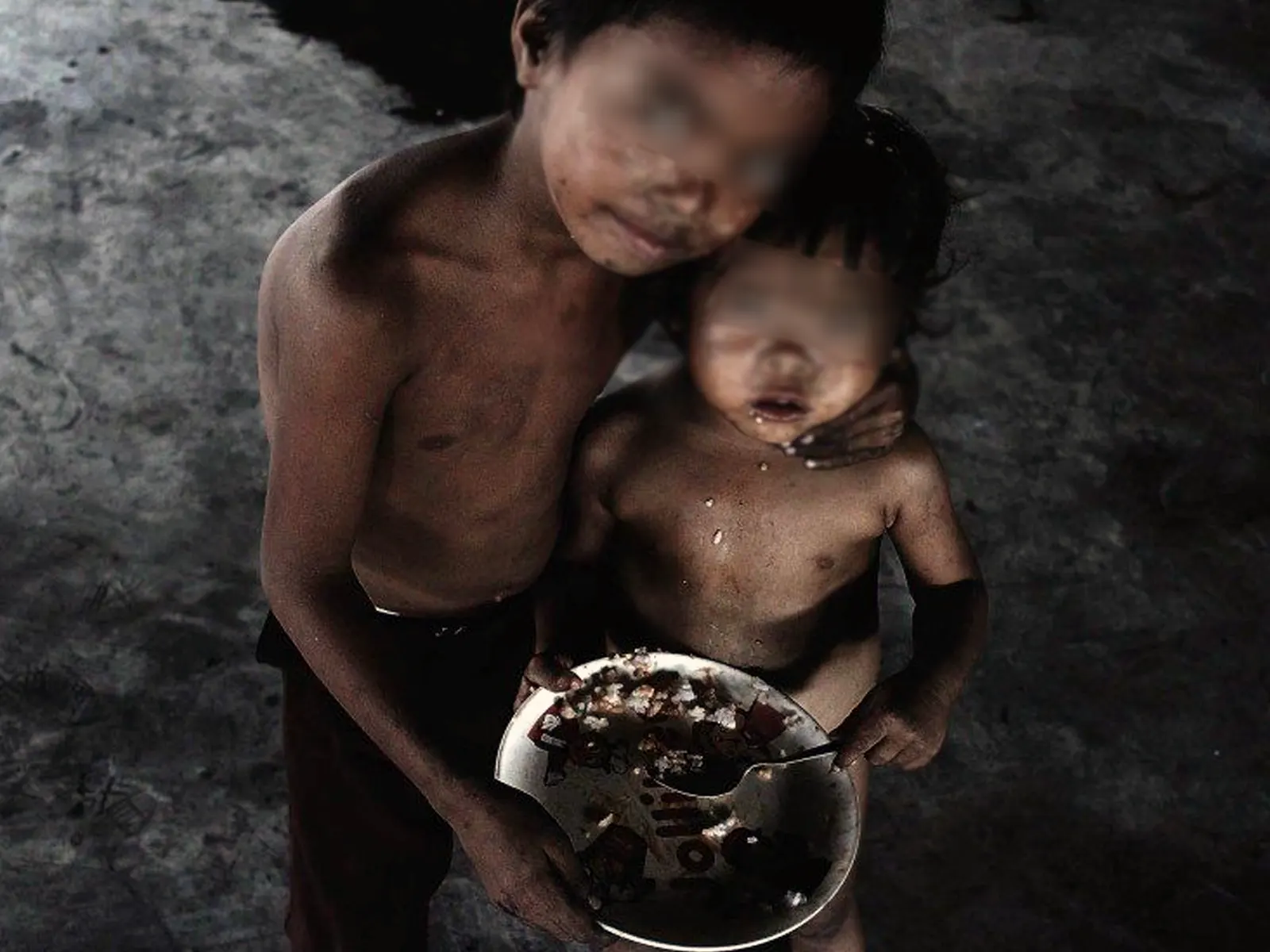
THE committee on poverty alleviation of the House of Representatives will convene a summit on malnutrition and child stunting shortly after Congress starts its second regular session on Monday.
“We want to address these interconnected problems, along with hunger and poverty, and recommend solutions. We intend to give them top priority,” 1-Pacman Rep. Mikee Romero today said.
He said proper nutrition has a big and long-lasting impact on child growth and health, and even on budget allocation and national development.
“If we have a large number of malnourished children, that would require a bigger budgetary appropriation for healthcare and health facilities, depriving other social services like education and infrastructure of much-needed funding,” he said.
Malnutrition and child stunting also hinder national development and competitiveness, especially in the digital age, he stressed.
Romero added that his committee intends to invite all concerned government agencies starting with the Department of Social Welfare and Development and Department of Health, private sector groups, including the Management Association of the Philippines (MAP), and other stakeholders.
“We want to come up with a holistic approach to solving malnutrition and child development stunting, and of course to poverty, which is the underlying problem,” he said.
The MAP recently urged the government to put these problems on top of the national agenda.
“Of course, these are among the top priorities of both the executive and legislative branches of our government. The food stamps program of President Ferdinand ‘Bongbong’ Marcos Jr. aims to ease hunger and malnutrition among our poor children and population,” Romero said.
The 1-Pacman representative has filed a bill that seeks to institutionalize the food stamps program. He has suggested the use of tap cards that contain P5,000 in food credits.
Romero said a complementary solution to hunger and malnutrition would be to increase farm and food production.
“Our farming sector is located mostly in rural communities, where a large part of our poor population is situated. Boosting agricultural harvest will create job and income opportunities, and will certainly mitigate hunger and malnutrition,” he said.
metrosundaily